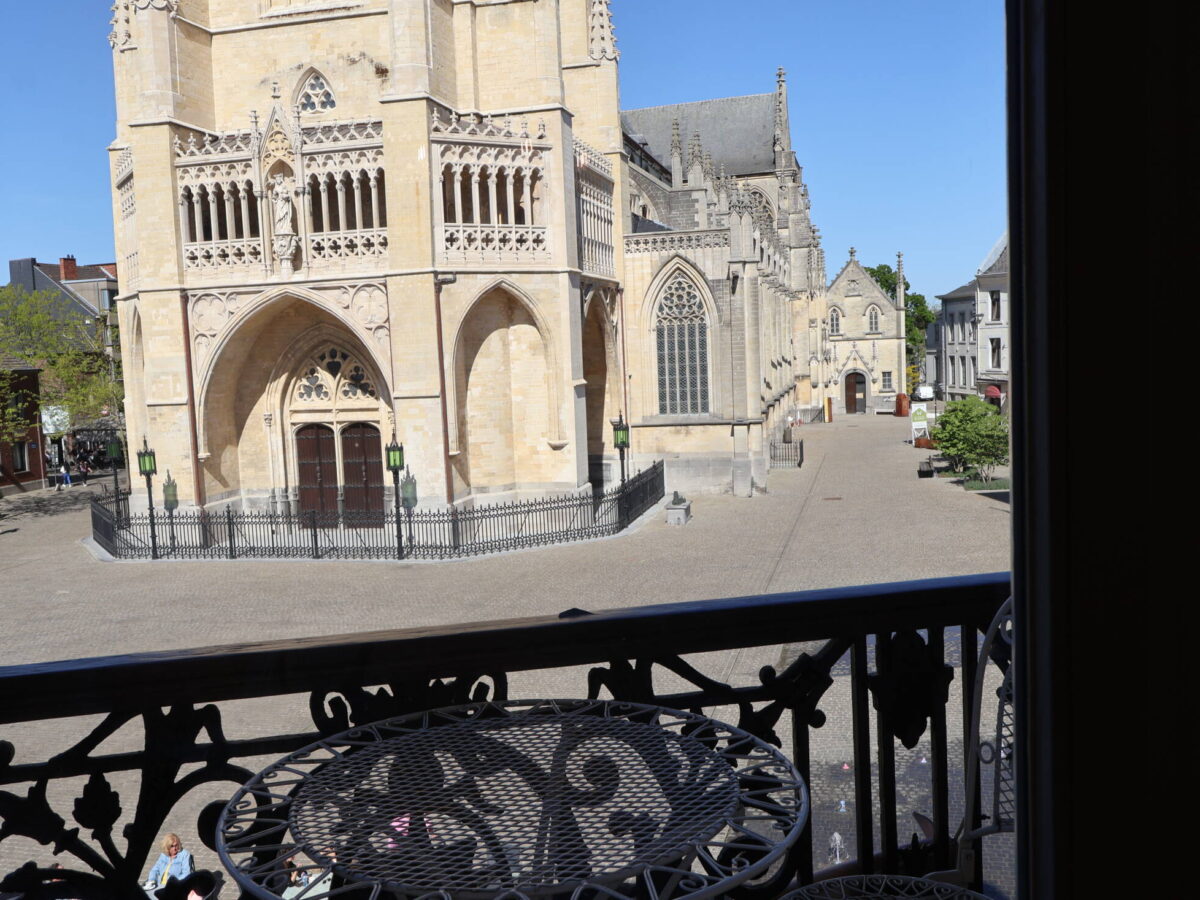
Skilled plumbers and plenty of water made a bathhouse possible
Author: Harry Lindelauf
Photography: Thermenmuseum Heerlen, RMO, KF Heritage
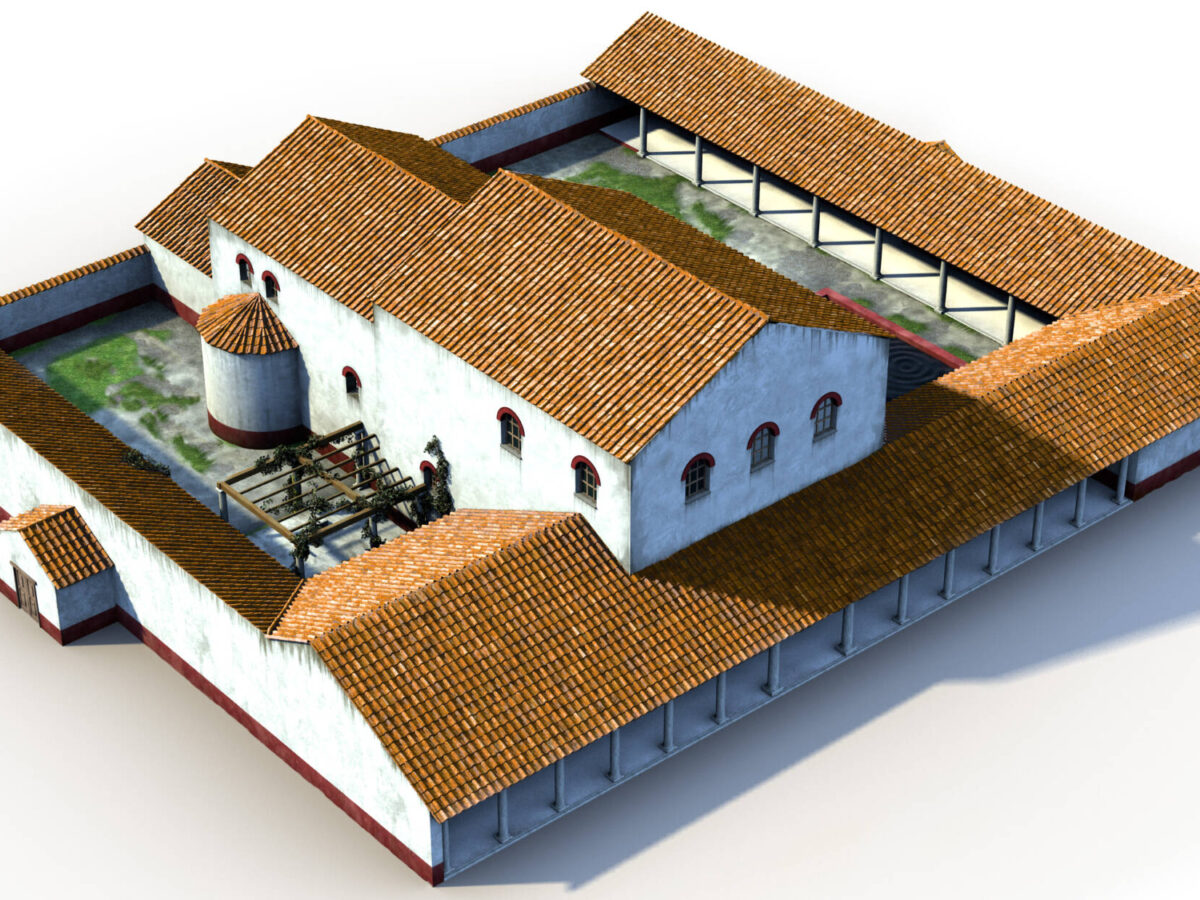
A great deal of clean water, warmth and ingenious plumbing. According to archaeologist Gemma Jansen, these are the main foundations of the Roman bathhouse in Heerlen. During a recent lecture in the museum, she gave insight into her study of the bathhouse’s water management.
Anyone who sees the location of the Heerlen thermae immediately asks the question: how did the Romans obtain enough water to even consider having baths here? In the beginning, the Romans fetched water from wells. Three wells have been found on the grounds around the bathhouse, each about 6 metres deep.
But in time, much more water was needed. The Roman solution: constructing a 2-kilometre-long aqueduct from the springs of the Caumerbeek. These lie 15 metres higher, and thus gravity ensures a pleasant flow towards the bathhouse. The drainage of the used water also made use of the landscape: via a channel, it flowed downhill towards the Geleenbeek.
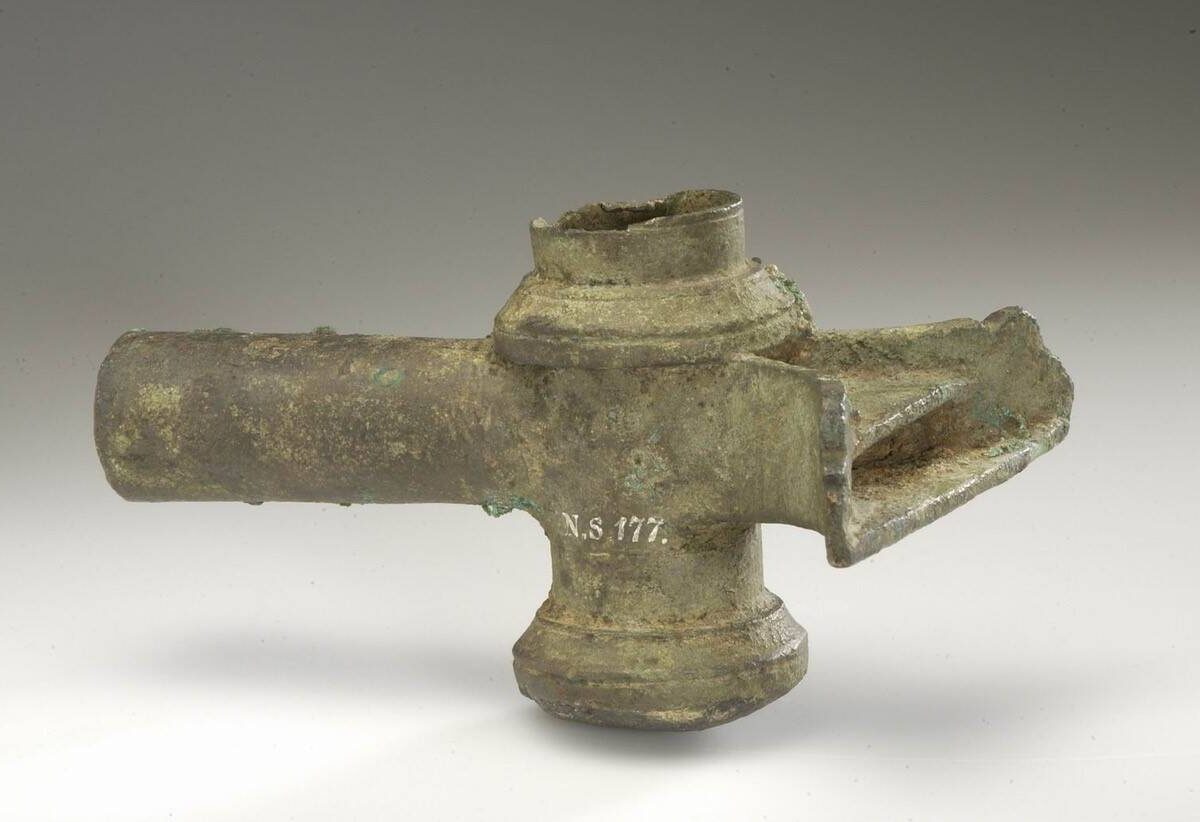
Photo: a bronze tap from Nijmegen
Impressive water consumption
The water consumption for the outdoor bath of 9 by 5.5 metres and for the other baths and fountains must have been impressive. To fill the swimming pool alone required 58,000 litres of water. In this outdoor bath and in all other baths and fountains, the water flowed continuously. The present-day springs of the Caumerbeek produce about 4,500 litres of water per hour. If production in Roman times was comparable, a large part of that water must have been directed towards the bathhouse.
Clever plumbing
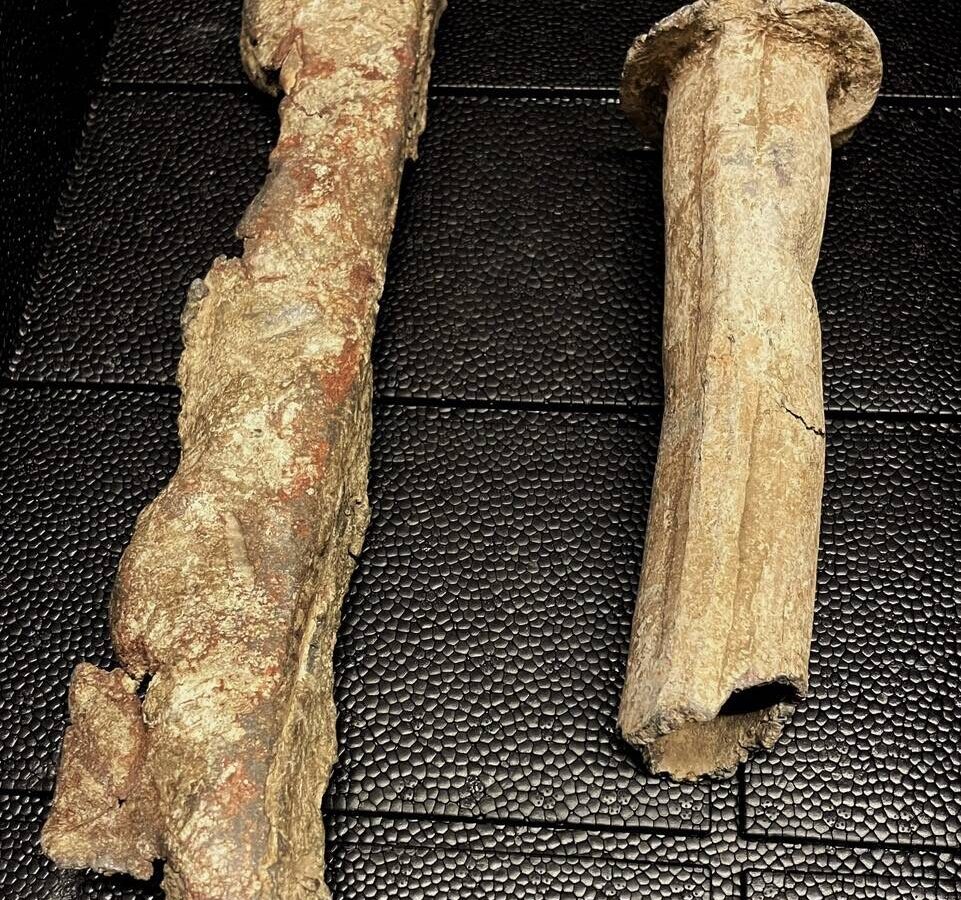
All that water was distributed using clever plumbing. The water entered a reservoir. From there it flowed through lead pipes and ceramic tubes to the various places in the bathhouse.
Part of the water went to the engine room in the basement of the bathhouse. There, a large fire was lit to heat water in a lead boiler. That hot water was mixed with cold water to reach the desired temperature and was led to the two warm baths. From the furnace room, the Romans brought warm air through underfloor spaces to the rooms with the warm baths.
Photo: lead pipes from the Heerlen thermae
Boiler parts recovered
The boiler in Heerlen was a rectangular lead container decorated with animal figures. Strange for a utilitarian object in a furnace room. It is suspected that the lead plates for the boiler were first used for something else. During excavations on the bathhouse site, pieces of these plates were found. This is remarkable, because in the Roman Empire only remains of 5 boilers have been found so far, and no more than 2 intact examples.
The Romans were clever enough to protect the lead boiler with a bronze plate against the direct heat of the wood fire. This prevented the lead from melting due to the high temperatures.
The entire installation was a sophisticated network of reservoirs, bronze taps (even mixing taps for hot and cold water), water pipes and built channels with a layer of waterproof concrete. The used water was drained via underground channels built of natural stone, flowing towards the Geleenbeek.
Only thanks to this plumbing ingenuity could the inhabitants of Coriovallum and the residents of nearby farms immerse themselves in their bathing rituals and the accompanying social environment in the thermae.