Inhabitants of Roman Tongeren receive a face
Author: Harry Lindelauf
Photography: -
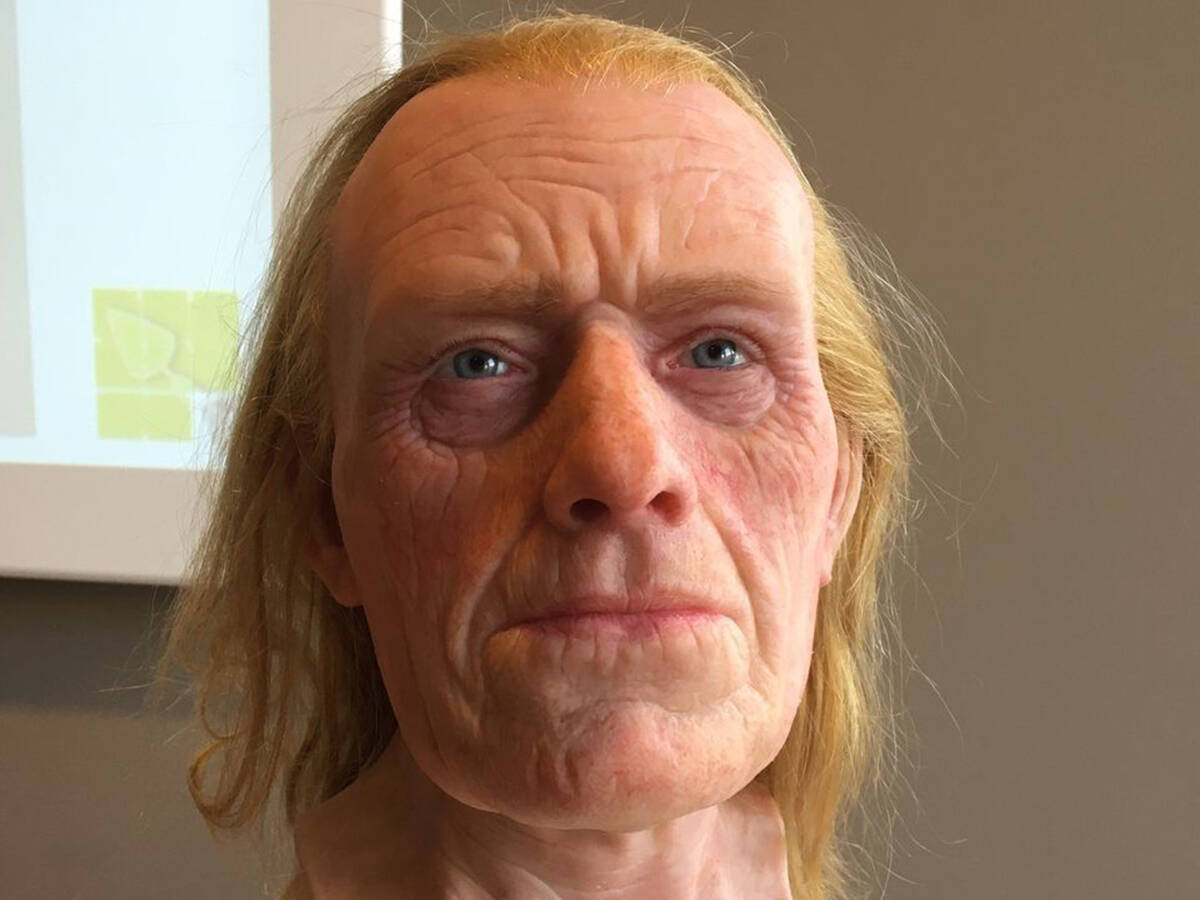
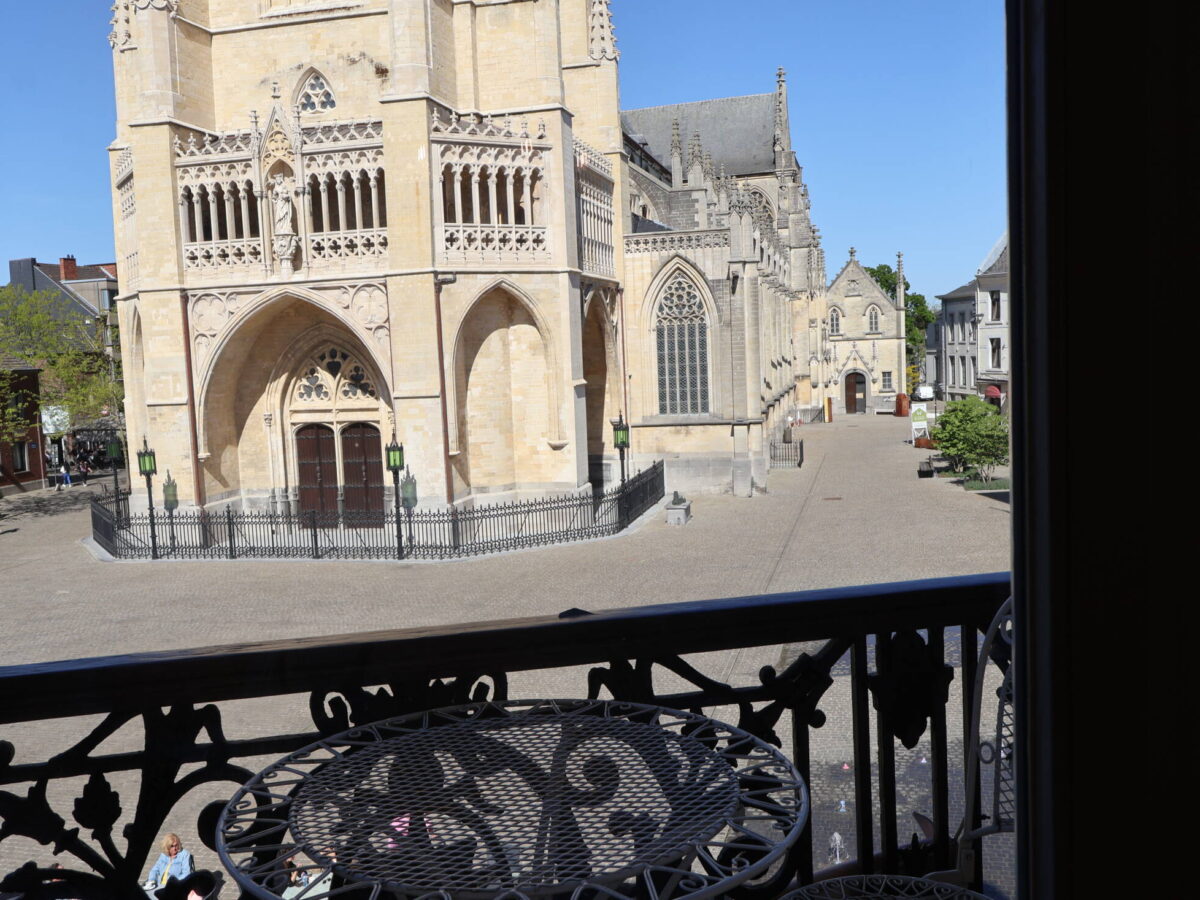
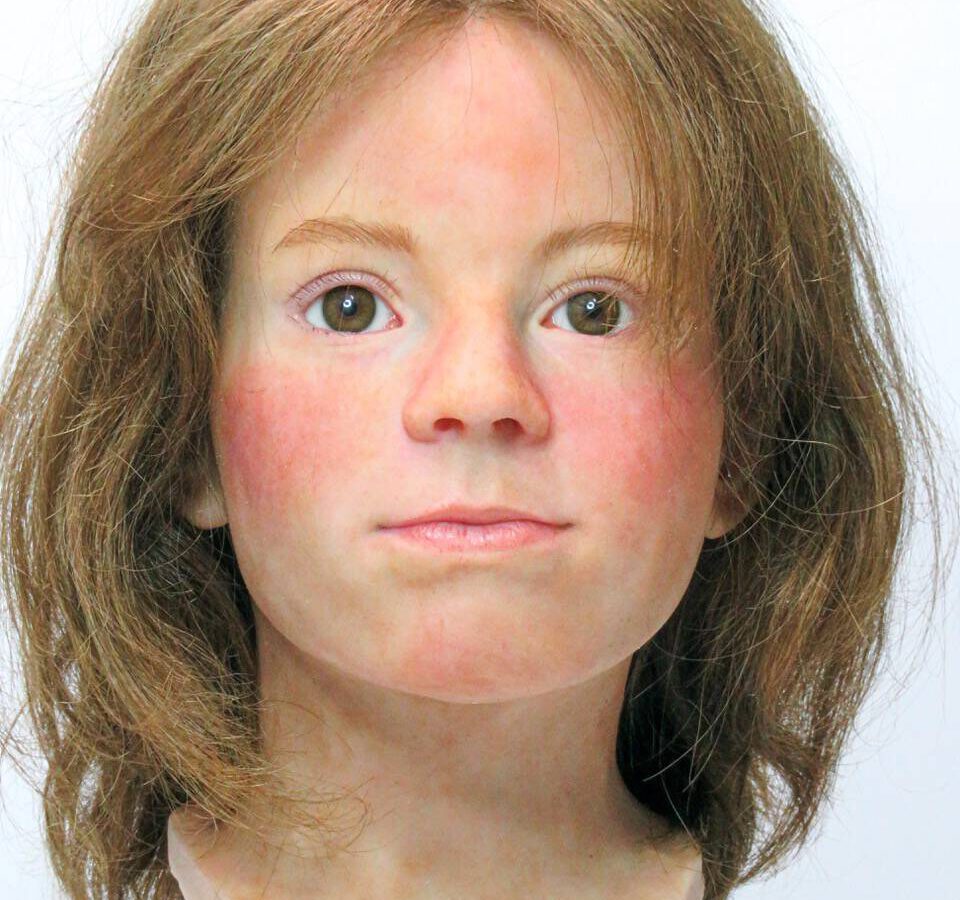
Scientists have reconstructed the faces of a man, a boy and a girl who were buried in Tongeren at the beginning of the Common Era. The result of the reconstruction can be seen from 1 May in the entrance hall of the Gallo-Roman Museum in Tongeren. In 2013, the skeletons of the three inhabitants of Roman Tongeren were found during excavations northwest of Tongeren. In a burial field, 15 graves containing the remains of 12 adults and 5 children were discovered.
Historical sensation
One grave in particular attracted the attention of the researchers led by Henk van der Velde of the Flemish Heritage Centre: “During the discovery of this grave we experienced a moment of historical sensation. It prompted us to undertake this study. Its result is groundbreaking.”
In the most remarkable grave lay a man aged 40 to 50 years, a girl of approximately 3 years and a boy of around 6 years. The man and the boy were buried on their stomachs, the girl on her side. A striking detail: the girl had her arms clasped around the legs of the adult man. It is plausible that the man and the two children died at the same time and were buried together.
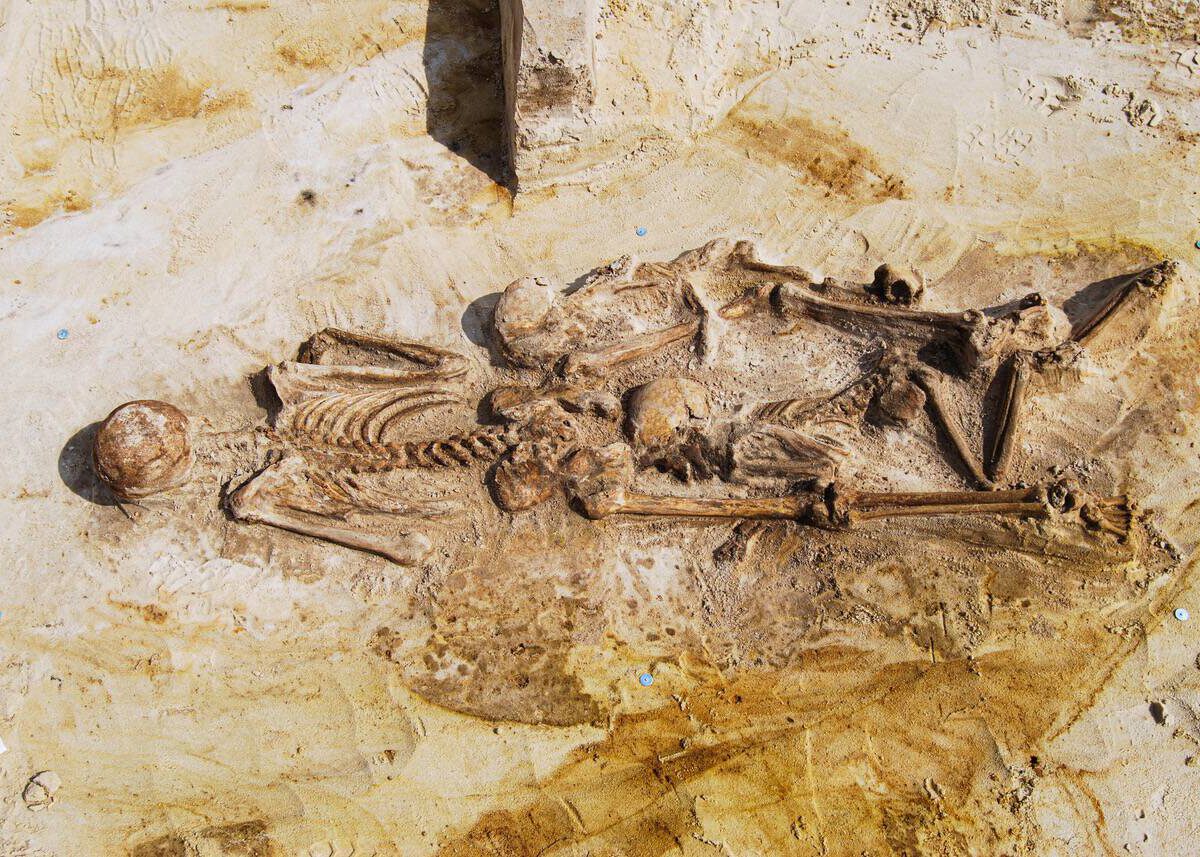
Brother and sister
DNA research shows that the children are brother and sister; the man is not related. The well-preserved skull remains and the DNA results made it possible to carry out facial reconstructions. The research is part of a larger project in which Belgian scientists want to determine where the first generations of inhabitants of Tongeren originated. Thanks to the ratio of strontium isotopes in the molar teeth it could be concluded that they were born in the area around Tongeren.
Colour of eyes, skin and hair
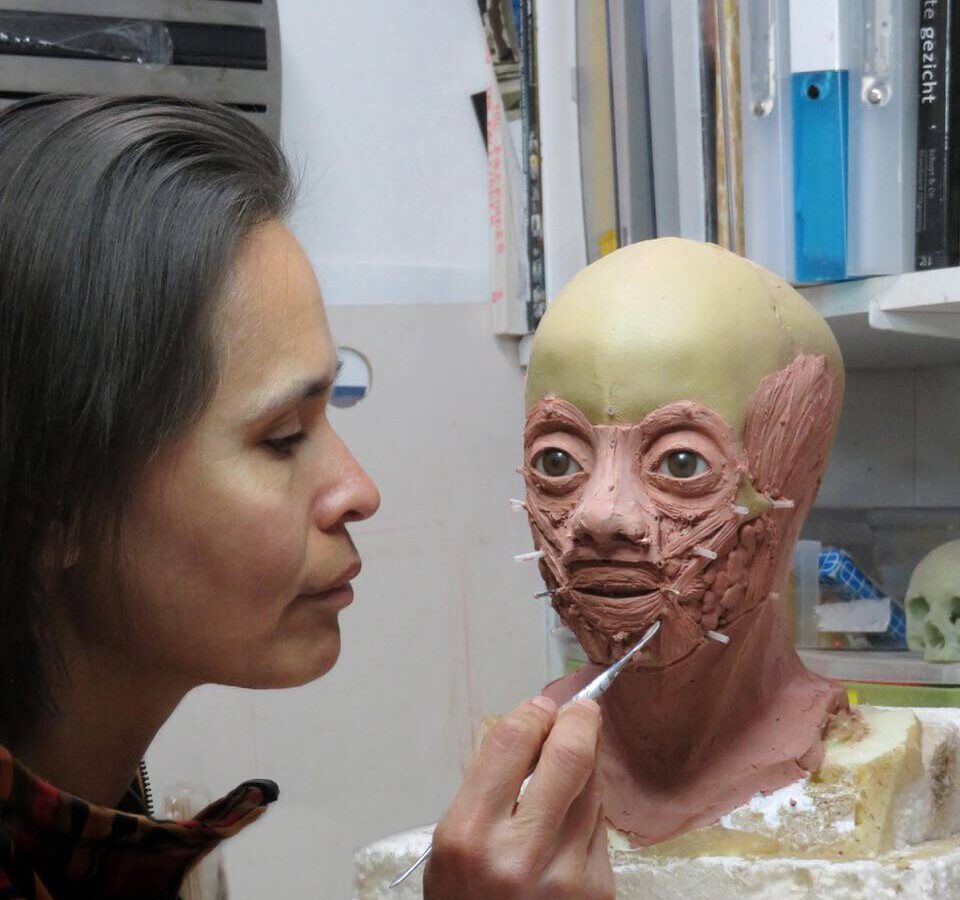
The DNA research also revealed the colour of the eyes, skin and hair. This allowed physical anthropologist and archaeologist Maja d’Holossy (University of Amsterdam) to begin the facial reconstructions. The reconstructions of the man and the boy were possible thanks to the available information. For the girl, a reconstruction was difficult: in her case the available remains and the biological relationship to the boy were combined in order to arrive at a reconstruction.