The Roman past in the home
Author: Kristy van Berlo
Photography: Philip Driessen
Even now that we are spending more time at home, we can continue to discover the Roman past. Around us there is a great deal to be found that is of Roman origin — much closer than you might think…
At home you will find countless things from the Roman past. From large to small, in plain sight and out of sight. For example, the Romans taught us to pay with coins and laid the foundation for our language by inventing the alphabet. The scissors, once used as a tool and aid in processing fabrics in the textile industry, can still be found in every household.
Bathing the Roman way
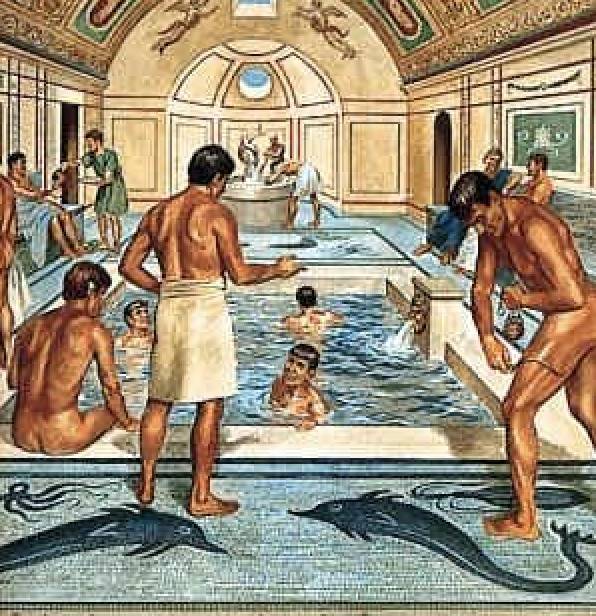
The Roman past is so close that you use it every day — for example, when you take a shower or a bath. There is hardly anything more Roman than a bathhouse, in other words: the bathroom.
In Roman times people had no possibility to wash themselves at home. That is why they built bathhouses, which also served as social meeting places. Built with high stone walls, decorated with paintings and mosaics, and with a covered colonnade, the bathhouses were a beautiful part of the Roman past.
Eating and drinking
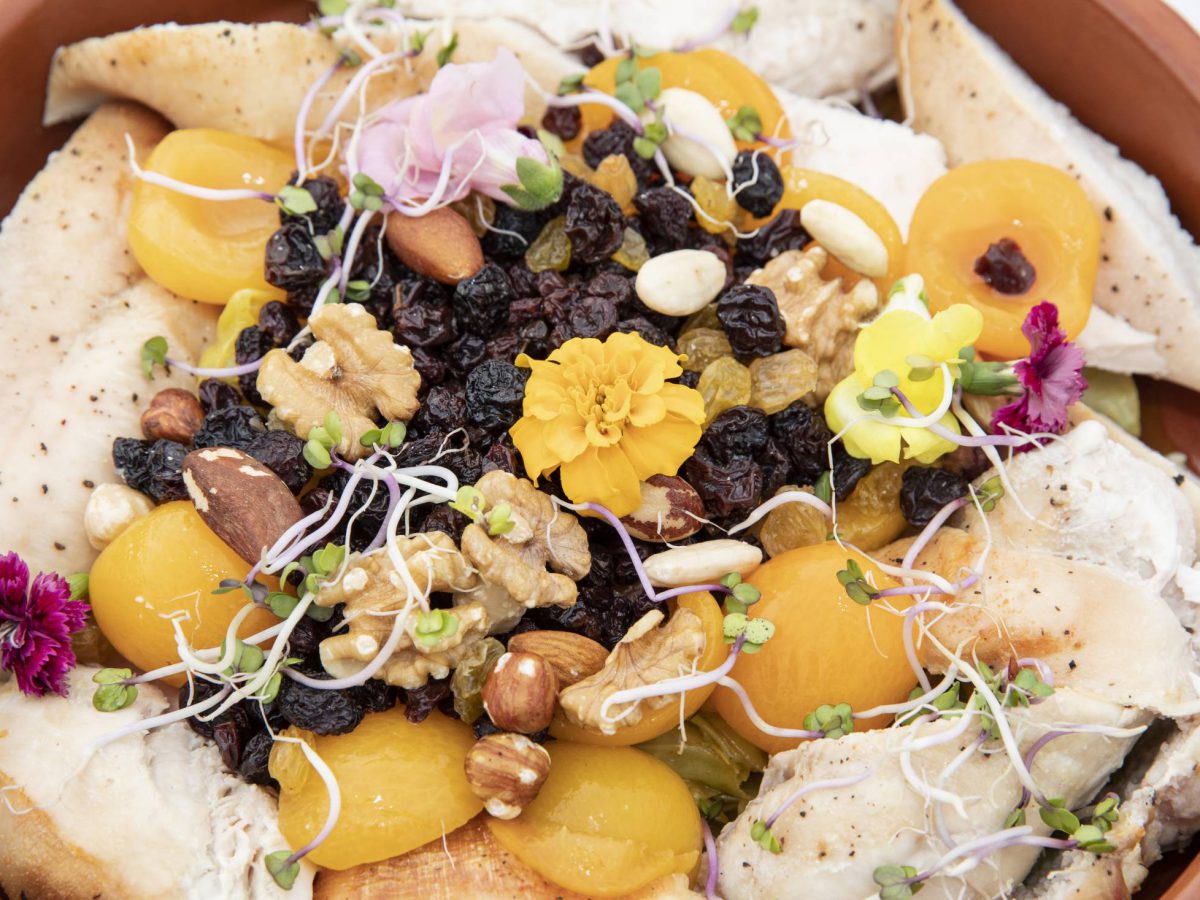
Don’t forget to take a look in your kitchen. Foods that are now regularly on our menu were unknown in this region before the arrival of the Romans. They introduced fruits such as cherries, plums, grapes and apricots. But also walnuts, wine, pigs and chickens. Fun fact: today’s chickens are slightly different than in Roman times. Back then they had five toes, now only four!
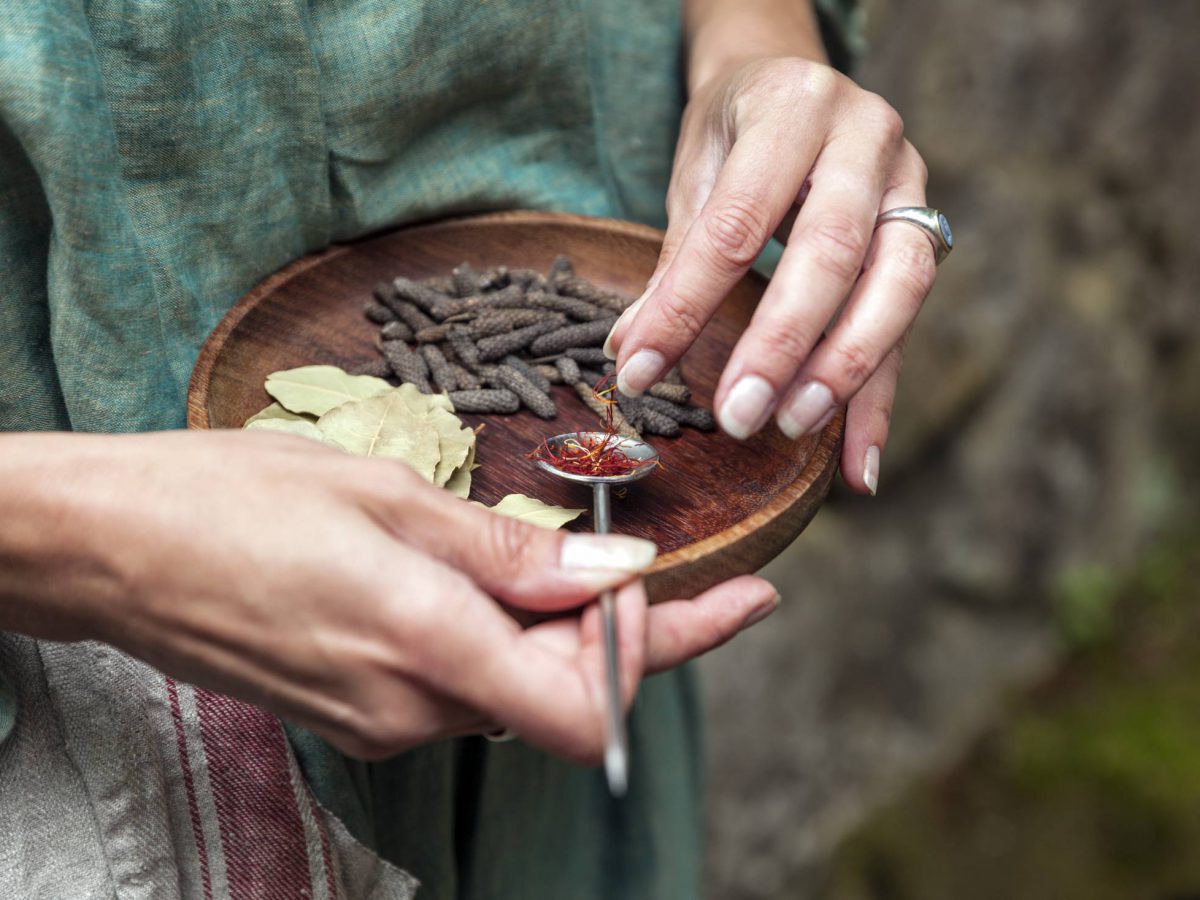
And what about herbs? A typical feature of the Roman kitchen and indispensable for every cook. The Romans brought rosemary, sage, lavender, thyme and lovage. The herbs were used to give dishes more flavour, but also to disguise flavour. Food that we would now consider “expired” was simply covered with lots of herbs. Pepper and salt were also used in Roman times, but not by ordinary people — for them, these spices were simply unaffordable.
The herbs were used to give dishes more flavour, but also to disguise flavour.—
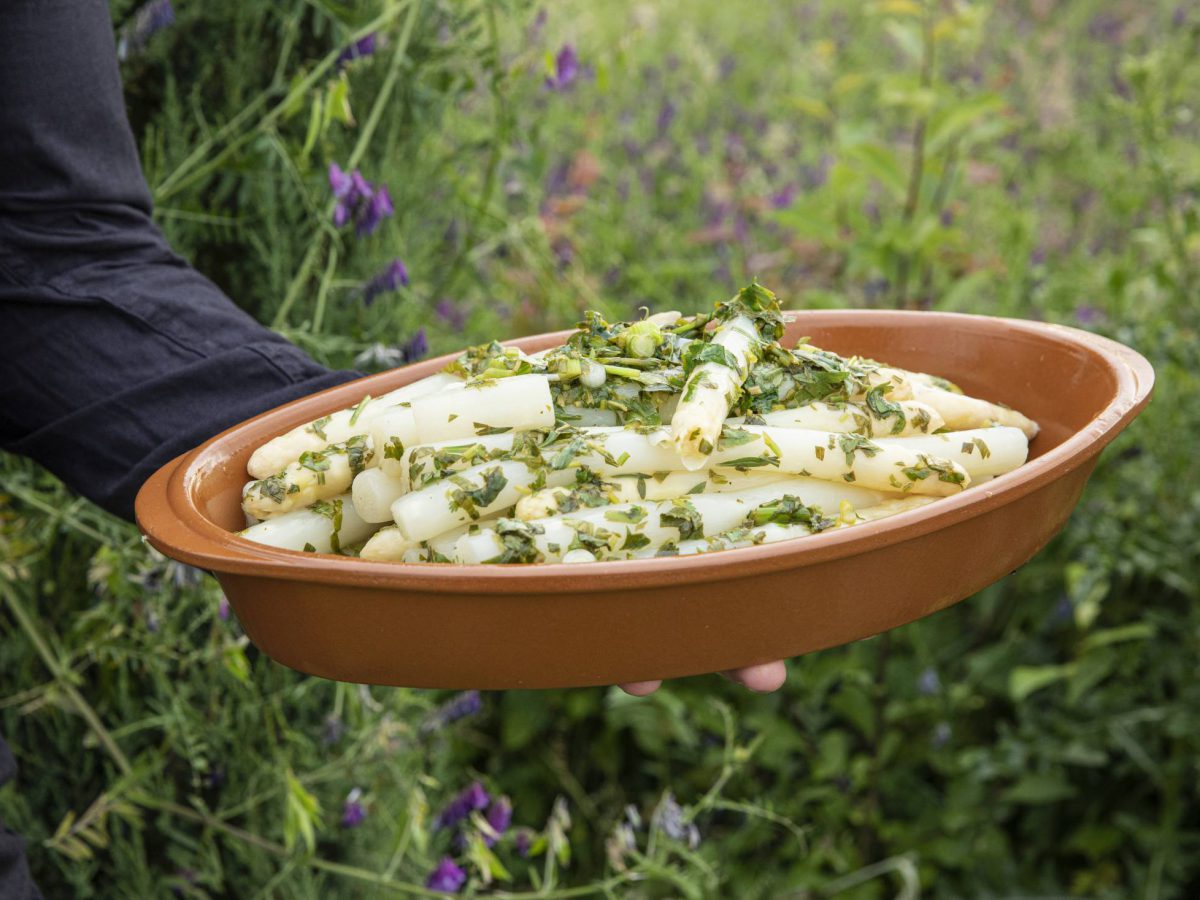
We know so much about the Roman kitchen thanks to the wealthy Roman Apicius, who dedicated his life to recording Roman recipes from across the Empire. Thanks to the monastery work in European cloisters, this work has been preserved. The monks copied Roman texts and thus (fortunately) conserved valuable heritage.
Do you want to learn more? Buy the Roman South Limburg guide via the website and discover the extensive Roman heritage through stories, recipes and essays.