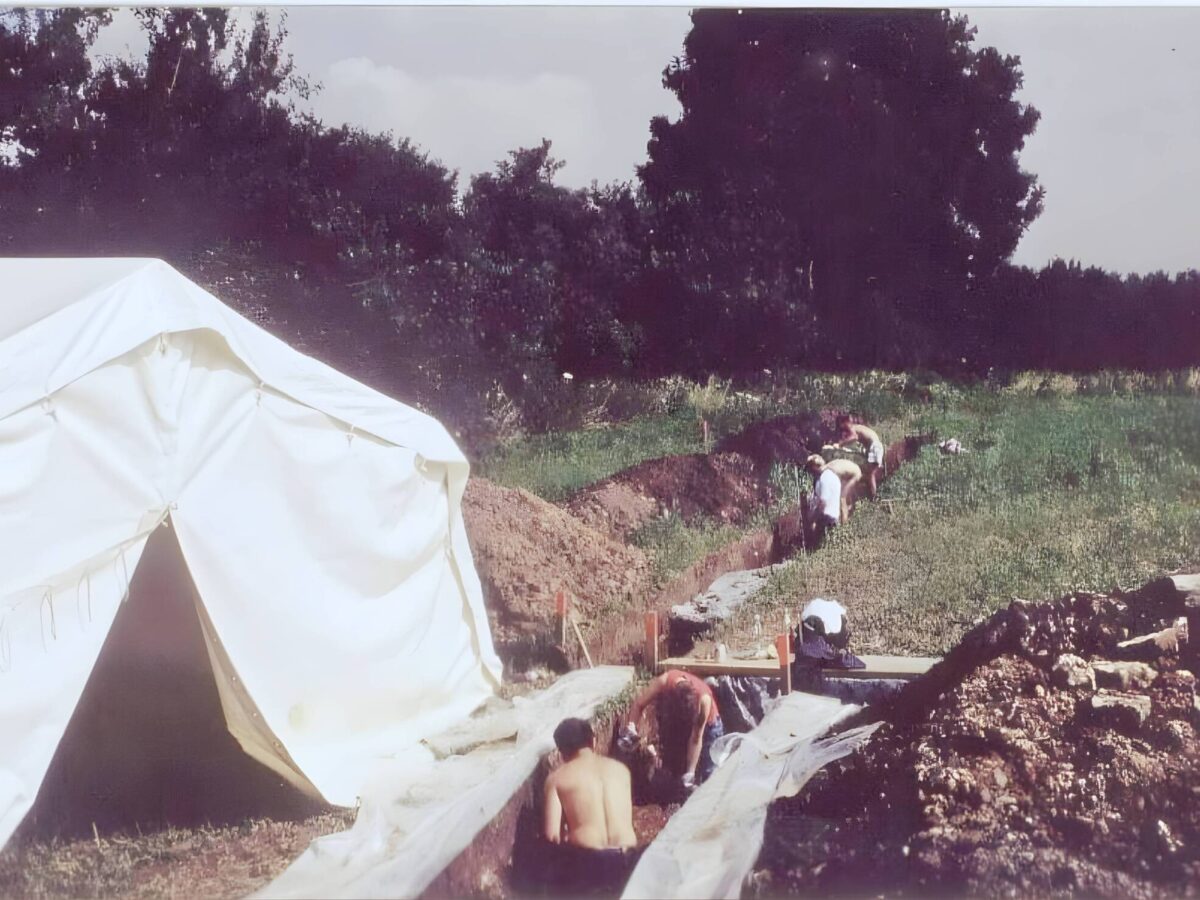
Research on Villa Voerendaal completed spring 2022
Author: Harry Lindelauf
Photography: Mikko Kriek
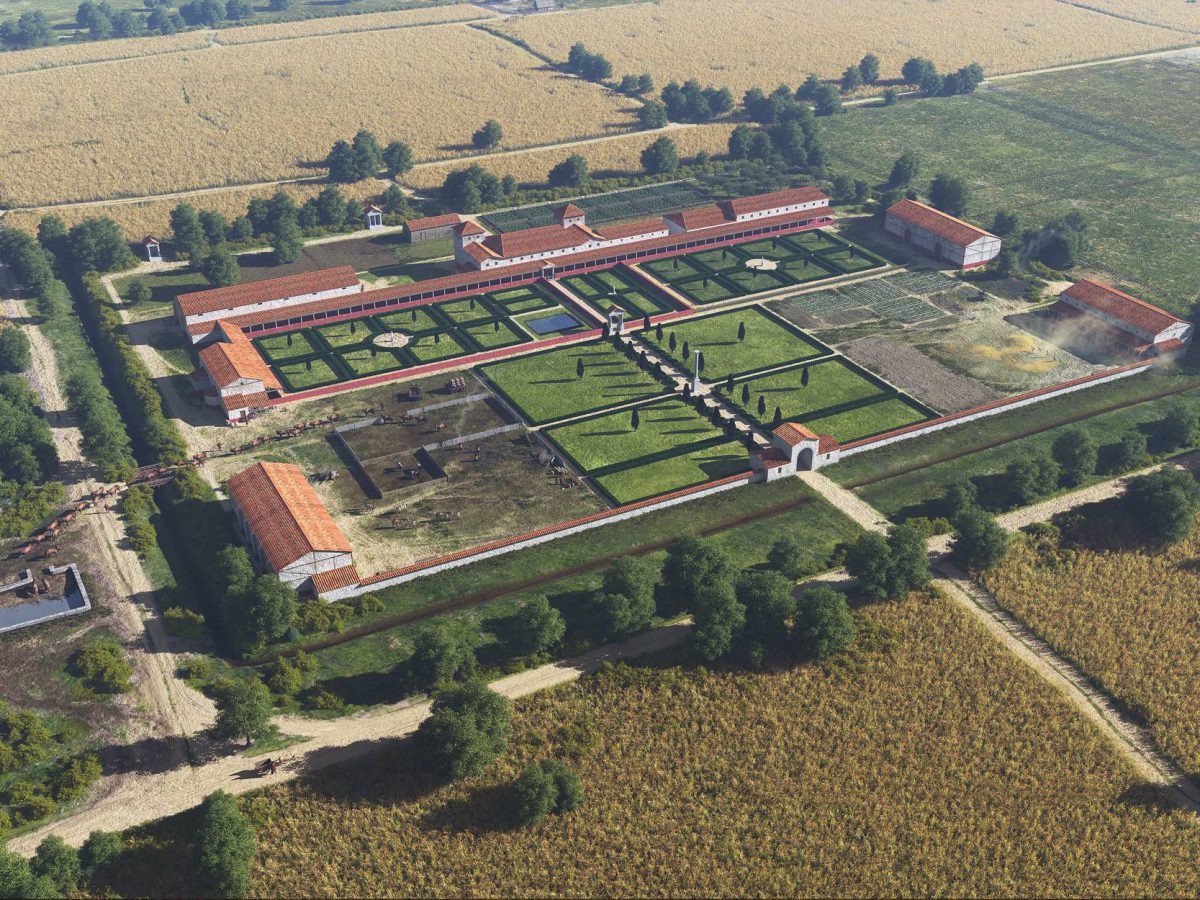
The research on the Roman villa along the Via Belgica in Voerendaal will be completed in spring 2022. Until then, fifteen experts in as many disciplines will examine reports, studies and documents about the villa. They will also search among the approximately 40,000 finds made during earlier excavations.
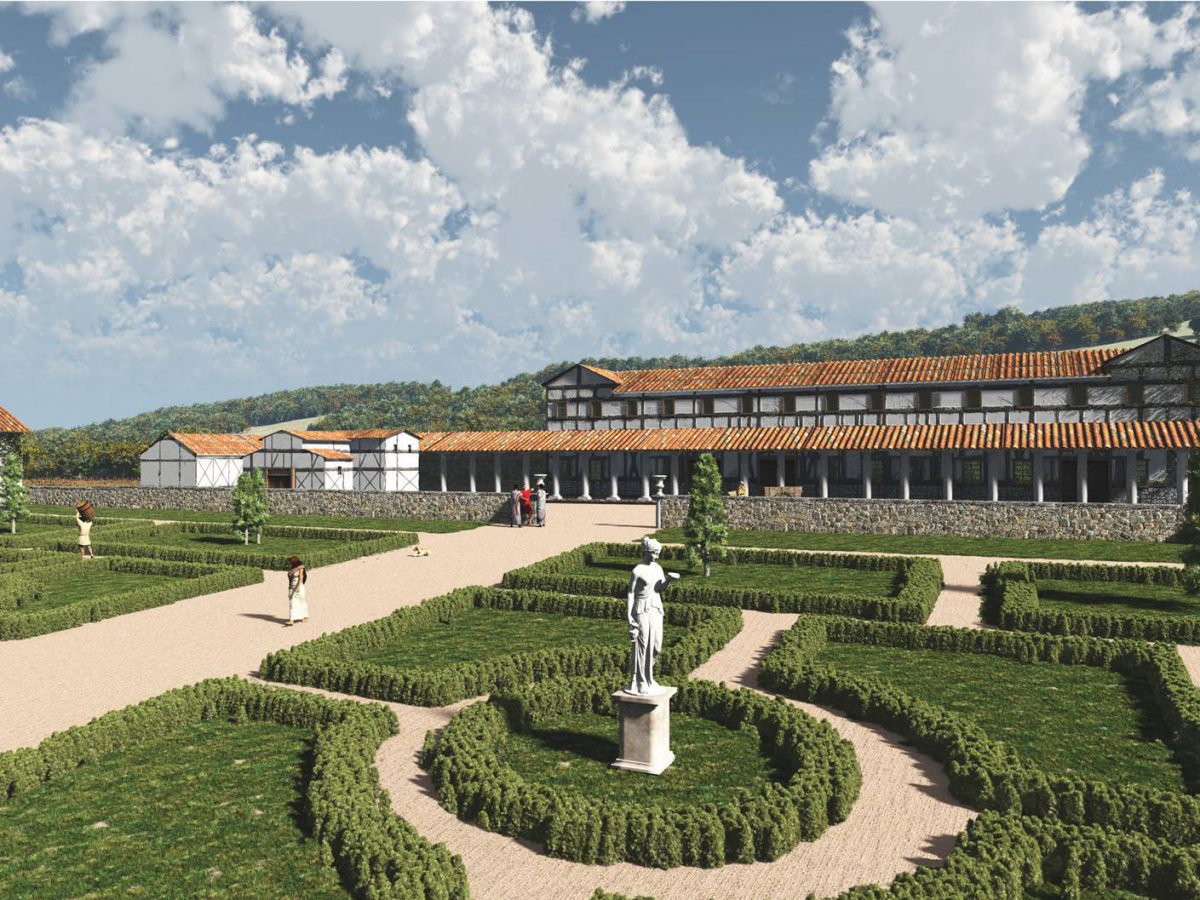
The experts look at building materials, plasterwork, water supply, metals and other objects. They also try to map out which inhabitants the villa had and what their relationship with the region was. That will be a special task because indications of inhabitants are almost completely lacking.
“We do have sherds with inscriptions. These are being examined for clues about residents,” says assistant project leader Diederick Habermehl.
Public manager Benoît Mater of the Limburgs Museum announced during a meeting on 11 March that the results of the research will be recorded in a scientific report, a book aimed at the general public and a digital reconstruction. Benoît Mater: “Finally, we can tell the story of Villa Voerendaal.”
Spelt supplier for soldiers at the limes
Since its discovery in 1892, the Roman agricultural complex on the Steinweg has been investigated four times by archaeologists. But the findings have never been combined and elaborated. Thanks to subsidies from the province of Limburg and the Cultural Heritage Agency of the Netherlands, this is now being done. The research does not include new excavations. Nor are there any plans to make the remaining structures of what is officially called Villa Voerendaal–Ten Hove visible.
The villa rustica, or Roman agricultural complex, consists of a central residential building, bathhouse, granaries, smithy and other outbuildings.
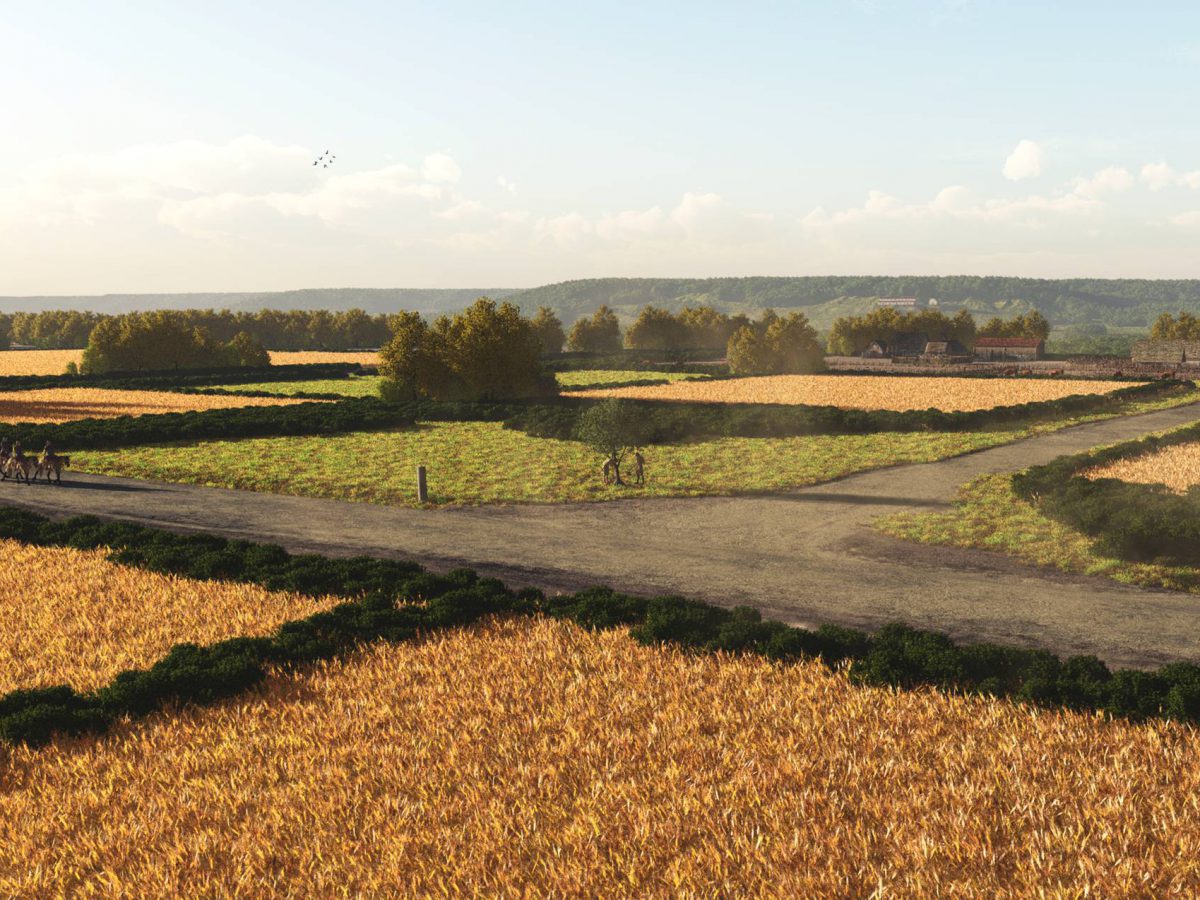
The farm supplied, among other things, spelt for the military settlements along the limes in the central Netherlands.
Most important villa site in the Netherlands
Diederick Habermehl calls the Voerendaal complex, because of its size, “the most important villa site in the Netherlands.” Its importance is also due to the almost 1,000 years of habitation at the site between the Iron Age and the Merovingian period. “This villa has enormous potential to contribute to our knowledge of Roman Limburg,” says Habermehl. Reportedly, around 40,000 finds from earlier excavations on the 13-hectare site in Voerendaal are stored in the archaeological depot of the province of Limburg in Heerlen.
“This villa has enormous potential to contribute to our knowledge of Roman Limburg.”— Diederick Habermehl