Exhibition Roman Bocholtz
Information centre Hoeve Overhuizen, Bocholtz
In the historic Kunrader limestone farmhouse Hoeve Overhuizen, located in Bocholtz, you can step directly into the world of Roman Limburg. Inside the spacious entrance hall of the care residence – just before the restaurant area – you will find a free Roman visitors’ centre that brings the region’s ancient history vividly to life.
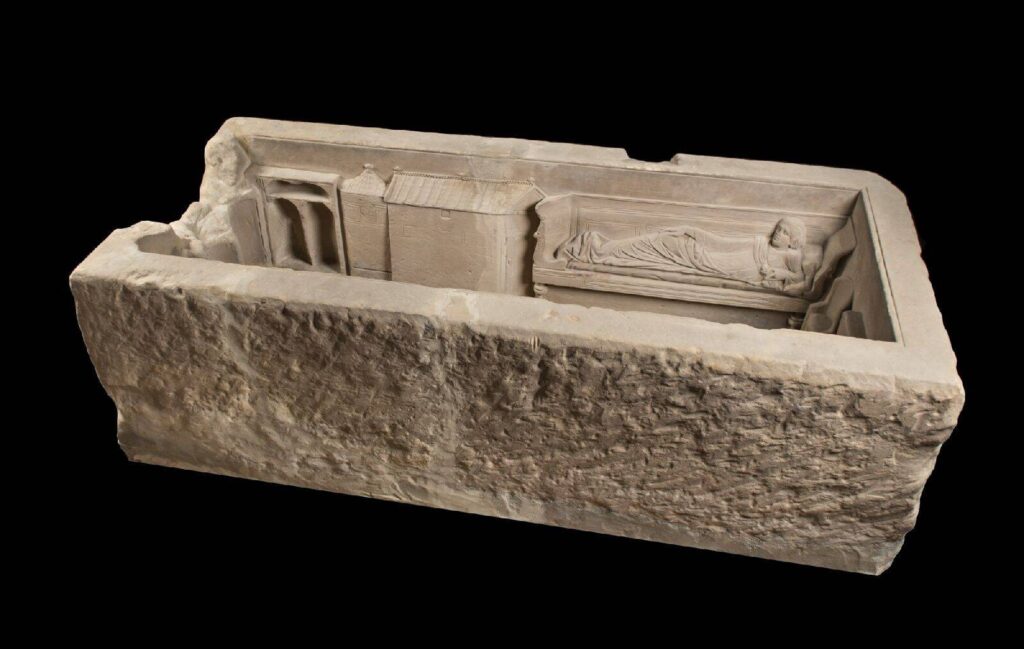
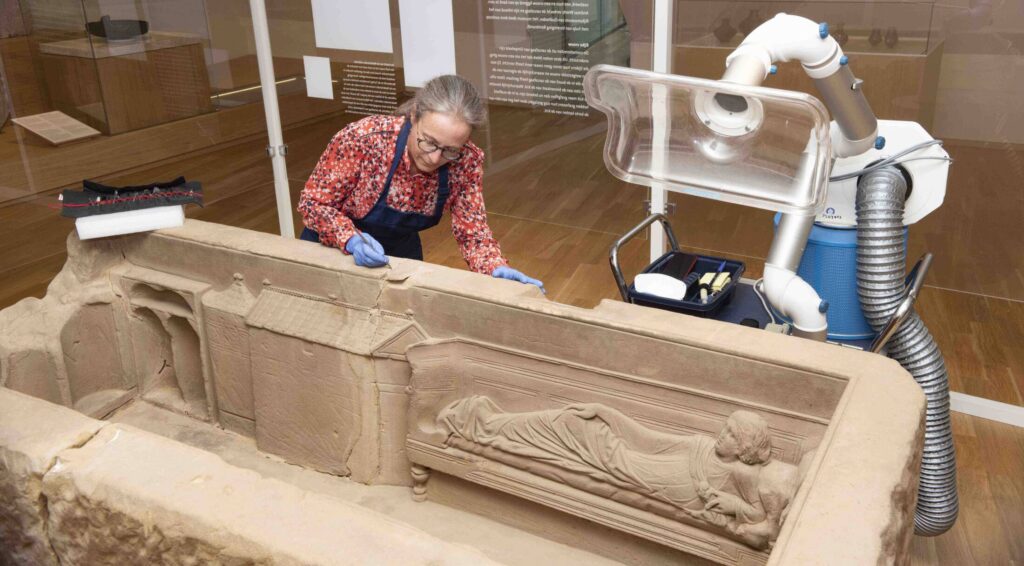
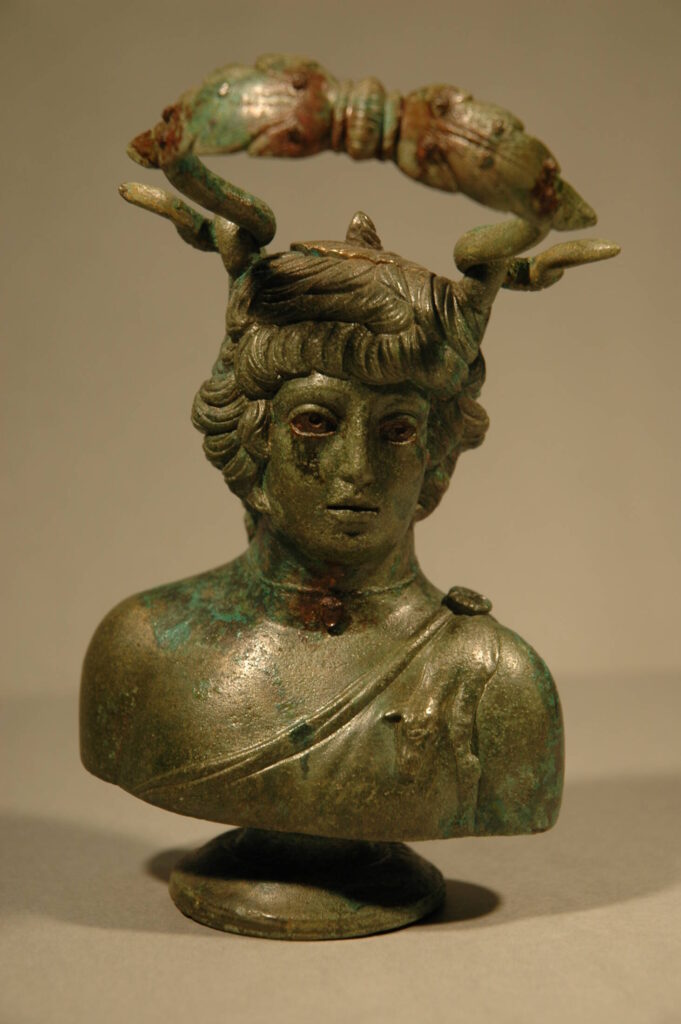
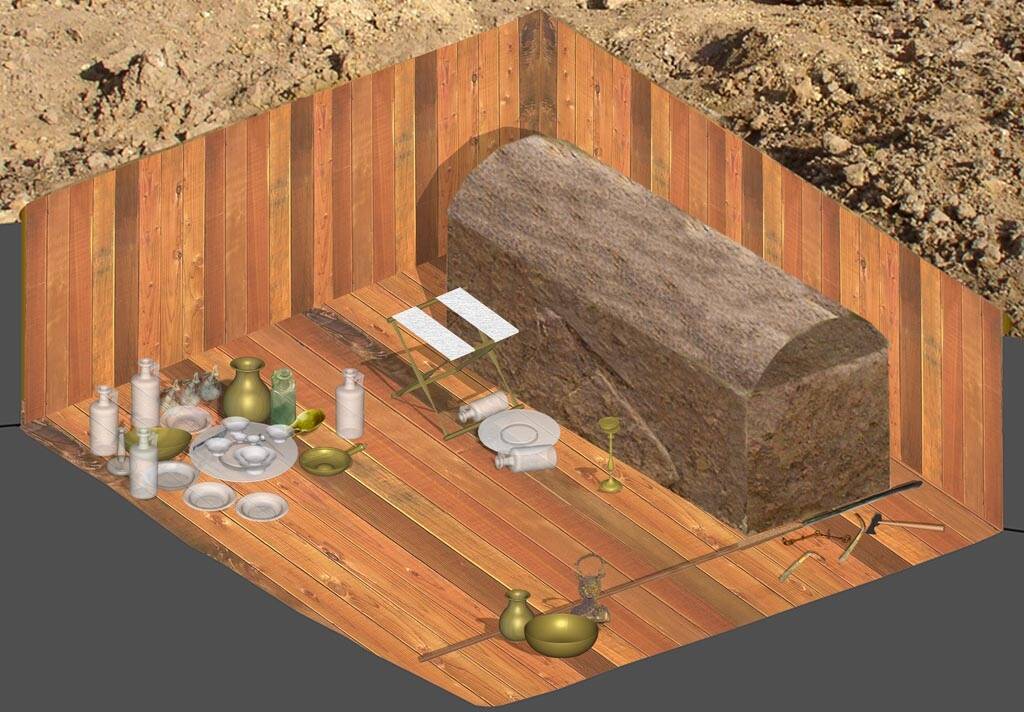
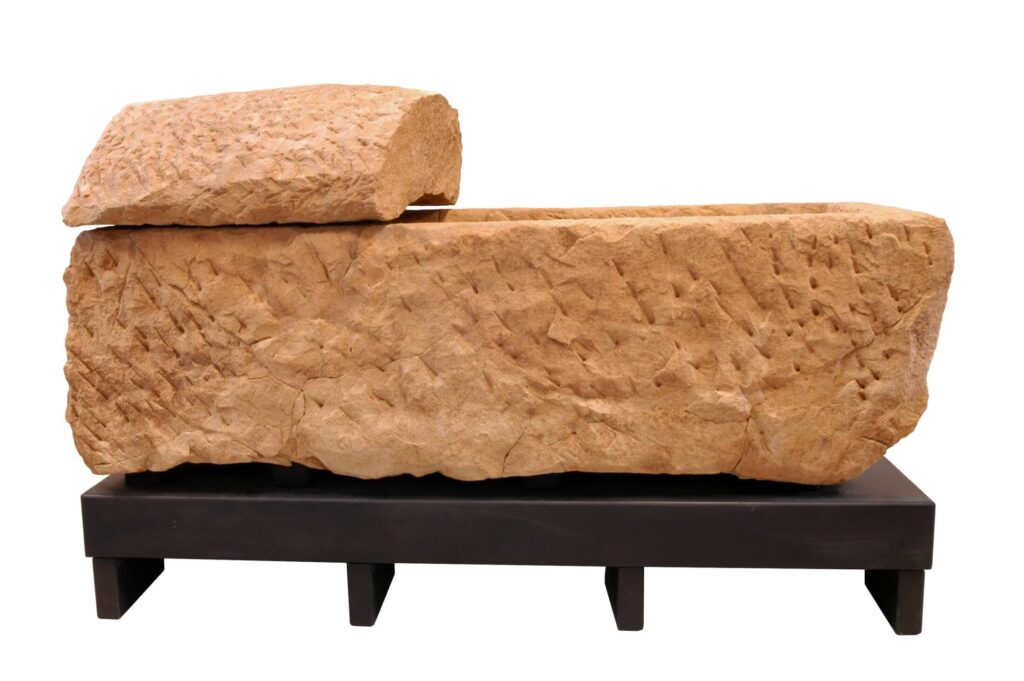
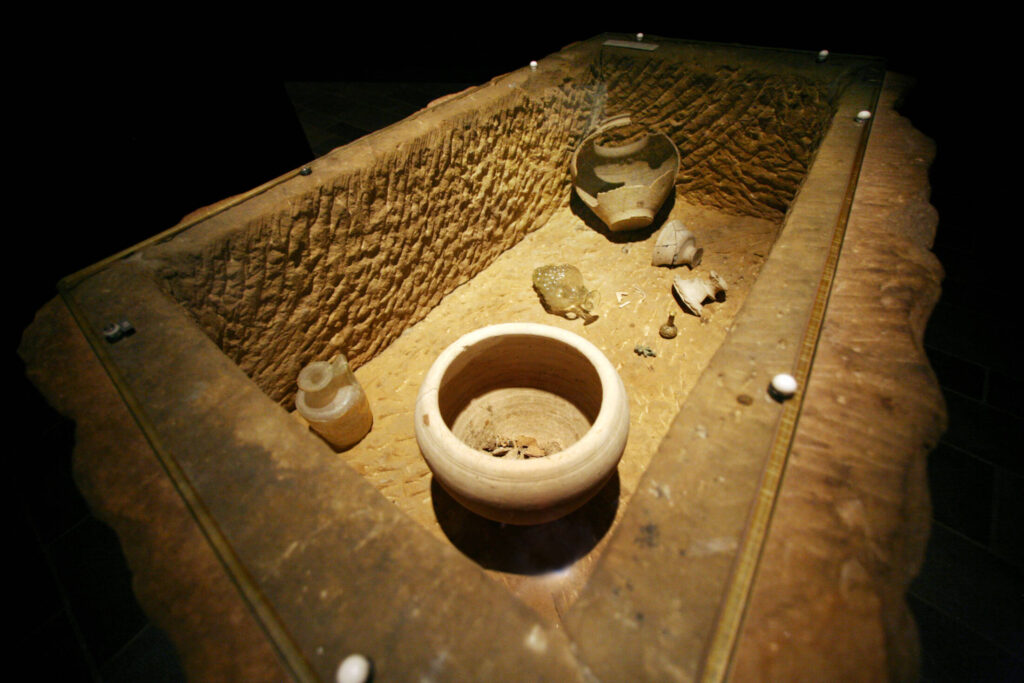
The exhibition here focuses on remarkable discoveries made in the surrounding area. Around the farmhouse, archaeologists have uncovered four Roman villas, remains of an ancient Roman road, a coin hoard, and even a tumulus burial site. Among the highlights on display are the cinerary urn of the Lord of Bocholtz and a replica of the sarcophagus of the Lady of Simpelveld, who’s original was found in 1930. Outside, the Via Belgica bench marks the route of the historic Roman road that once connected Maastricht with Cologne.
The VIAVIA Archaeological Landscape Park, 2027
It is no coincidence that these treasures surfaced here. Simpelveld is renowned for its rich Roman past, which from 2027 will be more tangible than ever. As part of the VIAVIA Archaeological Landscape Park, a cross-border walking and cycling network will connect Bocholtz (Netherlands) with Vetschau and Orsbach (Germany), guiding you through the ancient Roman villa landscape.
Your journey begins at Hoeve Overhuizen’s information centre, where history comes alive through artefacts and stories. Here, you can admire the original urn of the Lord of Bocholtz and a reconstruction of the coffin of the Lady of Simpelveld. Along the route, you can listen to a podcast by Julius Genialis, a fictional Batavian soldier who chose to settle in this region after his military service. He recounts the unique villa life that once flourished here —inviting you to explore, imagine, and experience the past where it once truly happened.
Are you ready to explore?
“I do not know how my husband managed it. Old connections, I suspect. I stand beside Quintus in the sculptor’s workshop. The oil lamps cast their light upon a sandstone cinerary urn. I marvel at the relief carved inside. The scene is breathtaking: a woman reclining on a couch in a Roman villa. I recognise the interior depicted — I myself lived for years in such a villa. The chest is enormous. It resembles a sarcophagus, yet it is intended only to hold her ashes. A shiver runs down my spine. I now understand why she commissioned such a chest. She must have been proud of her villa, perhaps even furnishing it with her own hand. With this relief, she takes her life’s work with her. This chest will be her new home, her villa for eternity. Another shiver grips me. Why does Quintus wish to profit here, from decorations for the dead? What will the gods think of it? Are there not enough goods for the living, so that we may make a living ourselfs?” – Ammulva Iucunda
Discover
- Experience the Roman Bocholtz exhibition every Sunday afternoon
- Admire the splendid “Sarcophagus of Simpelveld”
- Discover the story of a farmer who found a cinerary chest
Fun to know
- Wealthy residents of Villa Vlengendaal
- Beneath a meadow in Bocholtz lie the remains of a luxurious Roman villa. Wealthy Romans must have lived here, for the villa was impressive in both size and decoration. The thirteen living rooms were richly adorned: mosaic floors and walls full of frescoes and sculptures. The bathing complex consisted of six rooms, including cold and hot baths, with both floor and wall heating. Nearby, a huge treasure of some 700 silver Roman coins was also discovered. Together with the cinerary chests found here, one conclusion is clear: wealthy Romans lived here.