Cursed or protected? Roman magic in Heerlen
Author: The Roman Museum
Photography: City of Heerlen
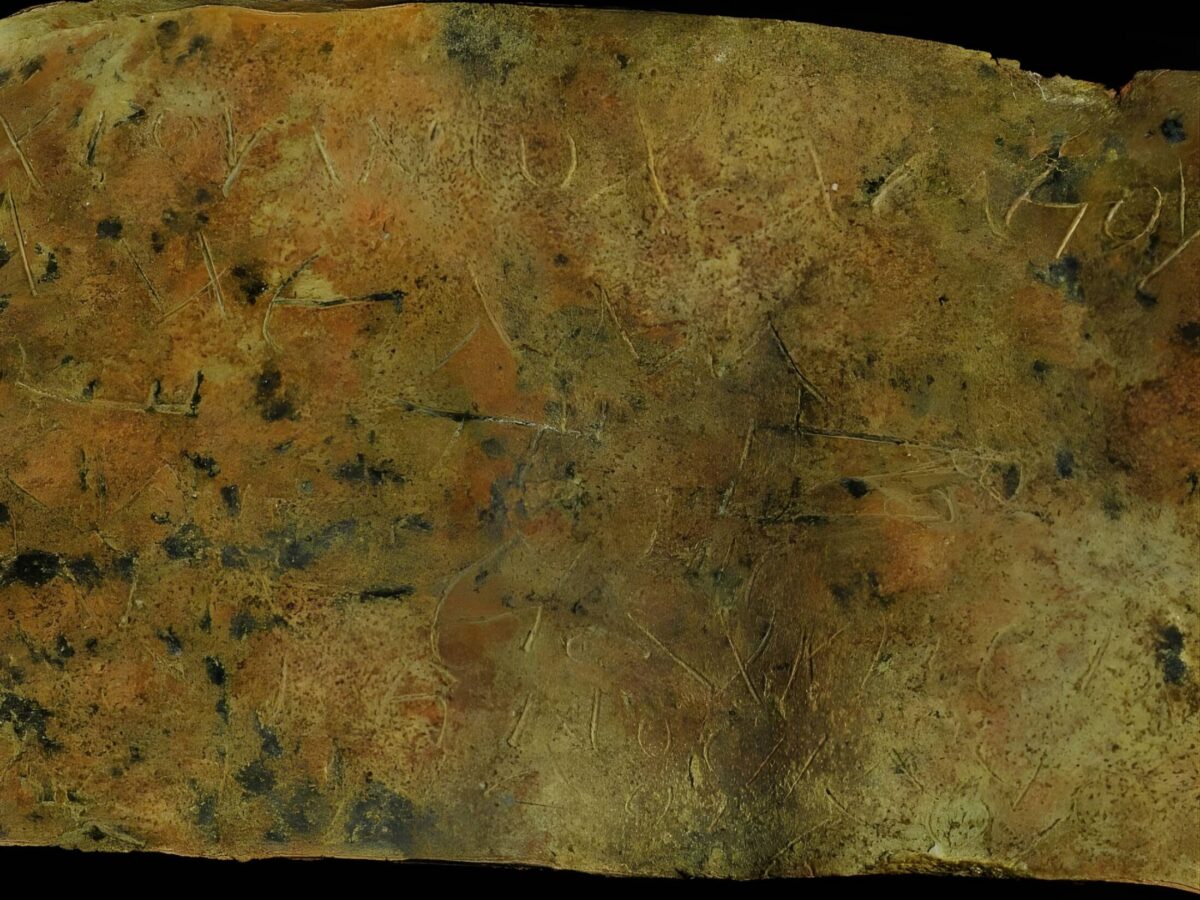
During the archaeological excavations at Raadhuisplein in 2024, a remarkable object was discovered that brings us very close to the everyday world of Roman Heerlen: a small lead tablet bearing a magical spell.
It is a so-called defixio, a curse tablet. In Roman times such tablets were used to invoke supernatural help — for example to hinder a rival, bring misfortune upon an opponent, or resolve a conflict when ordinary means were no longer sufficient. This particular tablet is made of lead and measures less than 10 by 5 cm. It therefore fits easily in the palm of your hand.
Mysterious signs
The tablet bears a magical text written in Greek. It consists of spells, small drawings and then a list of names. The text is neatly written, which suggests that the maker had experience with writing. Some of the magical words on the tablet resemble well-known magical formulas from antiquity, but many signs and formulas are not found anywhere else. They appear to be inspired by Egyptian magic, without copying it exactly.
What makes this tablet particularly interesting is that Greek is used not only for the spells but for the entire text. In the Roman West it was common for only the magical formulas to be written in Greek. The fact that this is not the case here suggests that the maker of the tablet probably spoke Greek themselves. This is exceptional, as curse tablets are already rare in the Netherlands and Belgium, and an example with a fully Greek text is almost unique in this region.
In the area where the tablet was found, other discoveries dating from the 2nd century were made. Researchers from the Institute for Papyrology at Heidelberg University therefore believe the tablet probably dates from that same period.
Magic as part of everyday life
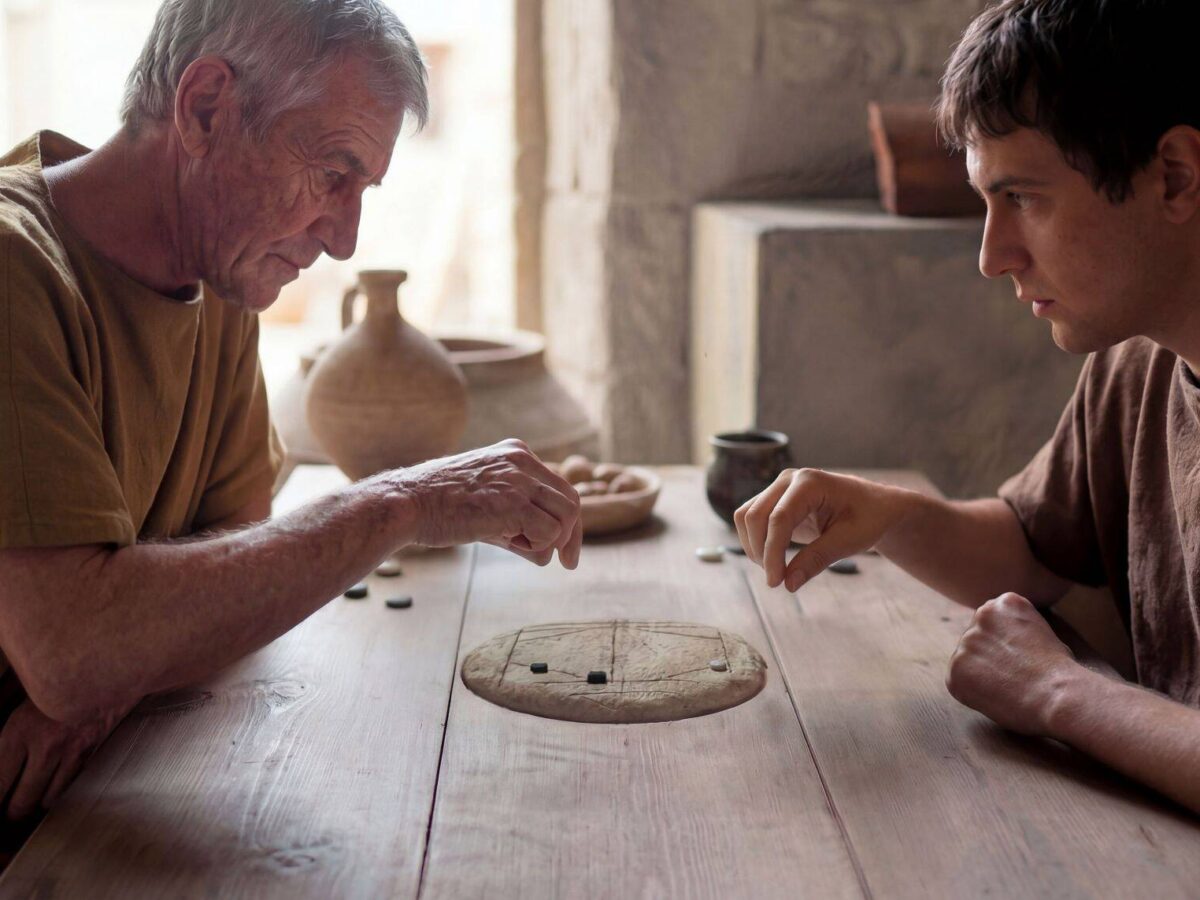
For us, magic often sounds dark or mysterious, but for the Romans it was part of everyday life. Life was full of uncertainties: illness, failed harvests, theft or political rivalry. Through spells, amulets and rituals people tried to gain control over their fate. This could be positive — protection or healing — but also negative, as in the case of curses.
Magical objects have been found throughout the Roman Empire. The spells and materials used are often very similar. Curse tablets were usually made of lead. This heavy, cold metal was associated with the underworld. The tablets were inscribed, folded and then hidden in a well, grave or building. The words were meant for gods and spirits, not for human eyes.
A unique discovery for this region
Only a few curse tablets have been found in the Netherlands and Belgium. One is kept in the National Museum of Antiquities in Leiden, where a Roman military camp stood at the beginning of our era. Another well-known tablet from the Netherlands was found in Bodegraven in the grave of a Roman soldier, together with a cavalry helmet and a sword belt. The names of 21 soldiers were engraved on this tablet.
A similar curse tablet was also found in Tongeren and is now kept in the Gallo-Roman Museum. Analysis has shown that the lead came from the Eifel region in Germany or from the neighbouring area in Belgium.
Further research into the origin of the lead in the Heerlen tablet is planned. The inscriptions will also be analysed in more detail by specialists.
Other discoveries at Raadhuisplein
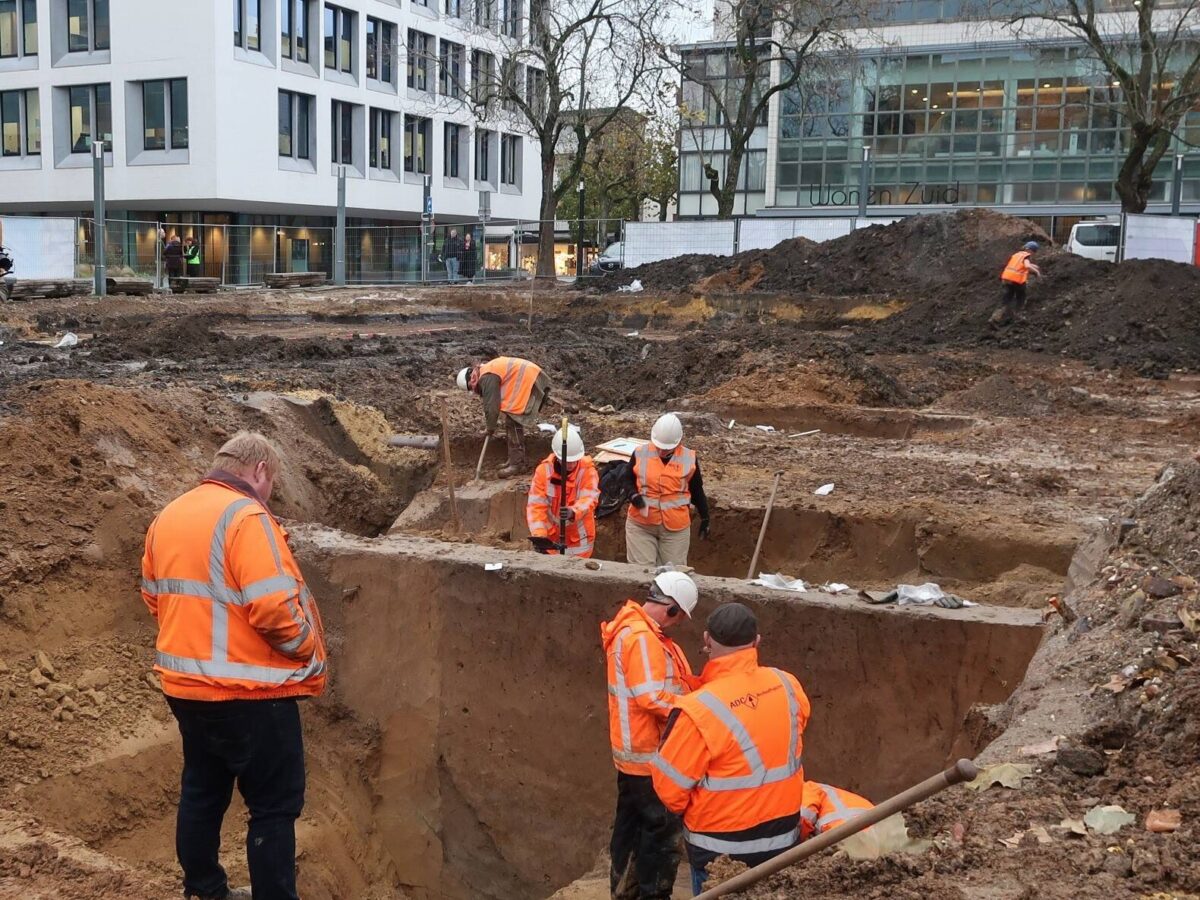
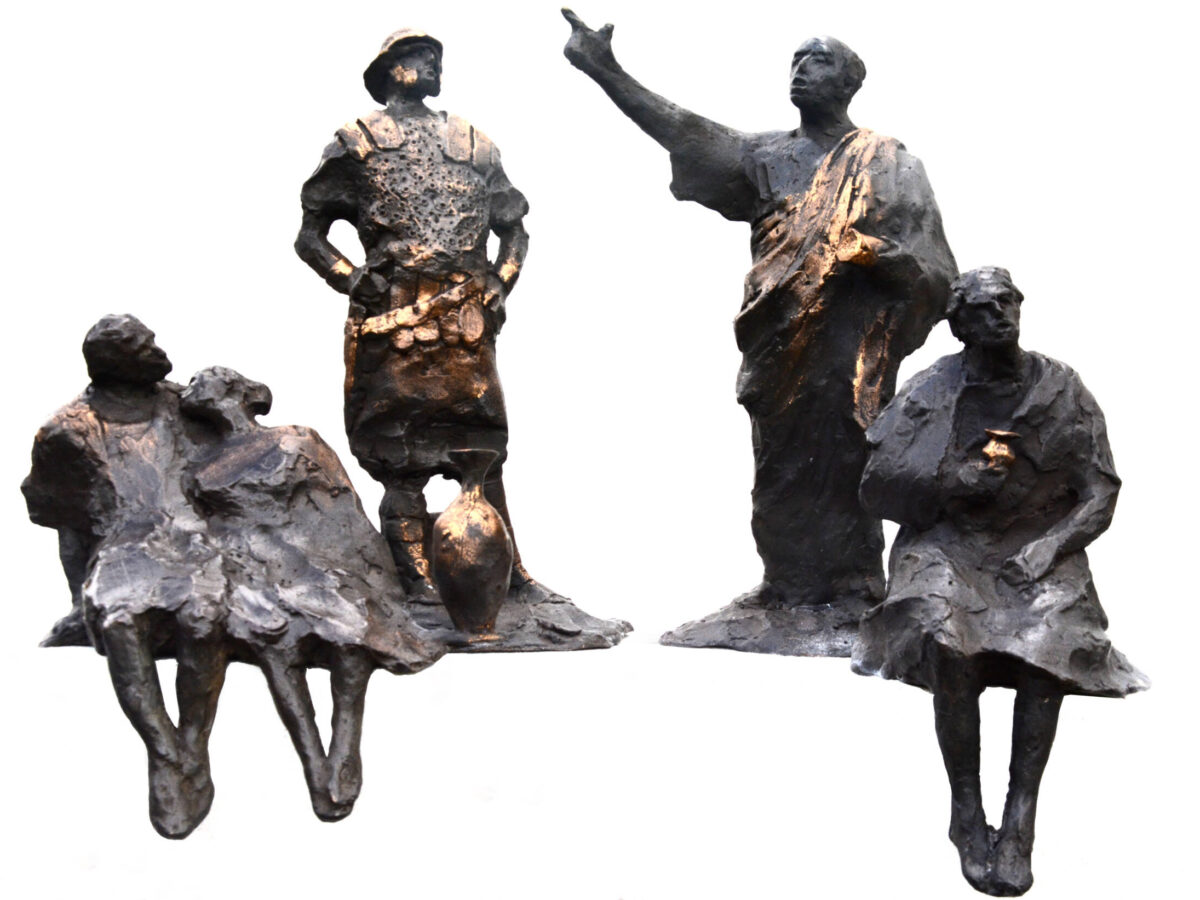
The discovery of the tablet is not an isolated find. Beneath Raadhuisplein archaeologists also uncovered remains of wooden and stone buildings, Roman toilets, a bronze furnace and the grave of a probable soldier: Faustus Valerius Flaccus. Together these discoveries paint a picture of a lively Roman settlement at the crossroads of two important roads: Cologne – Boulogne-sur-Mer and the road from Aachen to Xanten.
Soon to be seen at the Roman Museum
Research on the finds from Raadhuisplein will continue for at least another two years. Not only these discoveries, but also those from other archaeological investigations in Heerlen must be connected like pieces of a puzzle in order to draw the right conclusions.
From 2028 onwards, the Roman Museum will present the stories behind these objects.