What does Villa Meezenbroek teach us?
Author: Harry Lindelauf
Photography: Harry Lindelauf
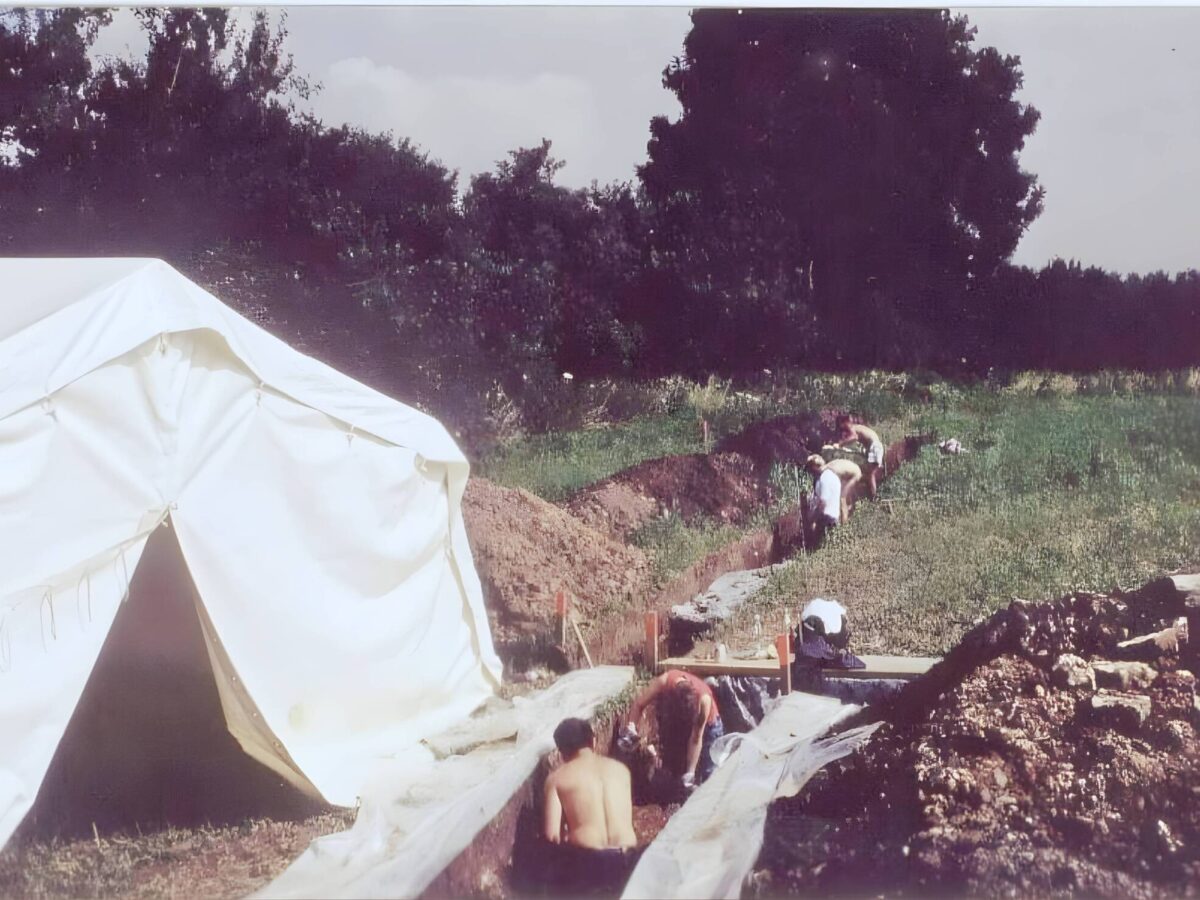
The three excavations of the Roman Villa Meezenbroek in Heerlen were carried out between 125 and 75 years ago. Artefacts were discovered, drawings and photographs were made, and reports were written. But what can an archaeologist in 2026 learn by revisiting the work of colleagues from the past using today’s insights and techniques?
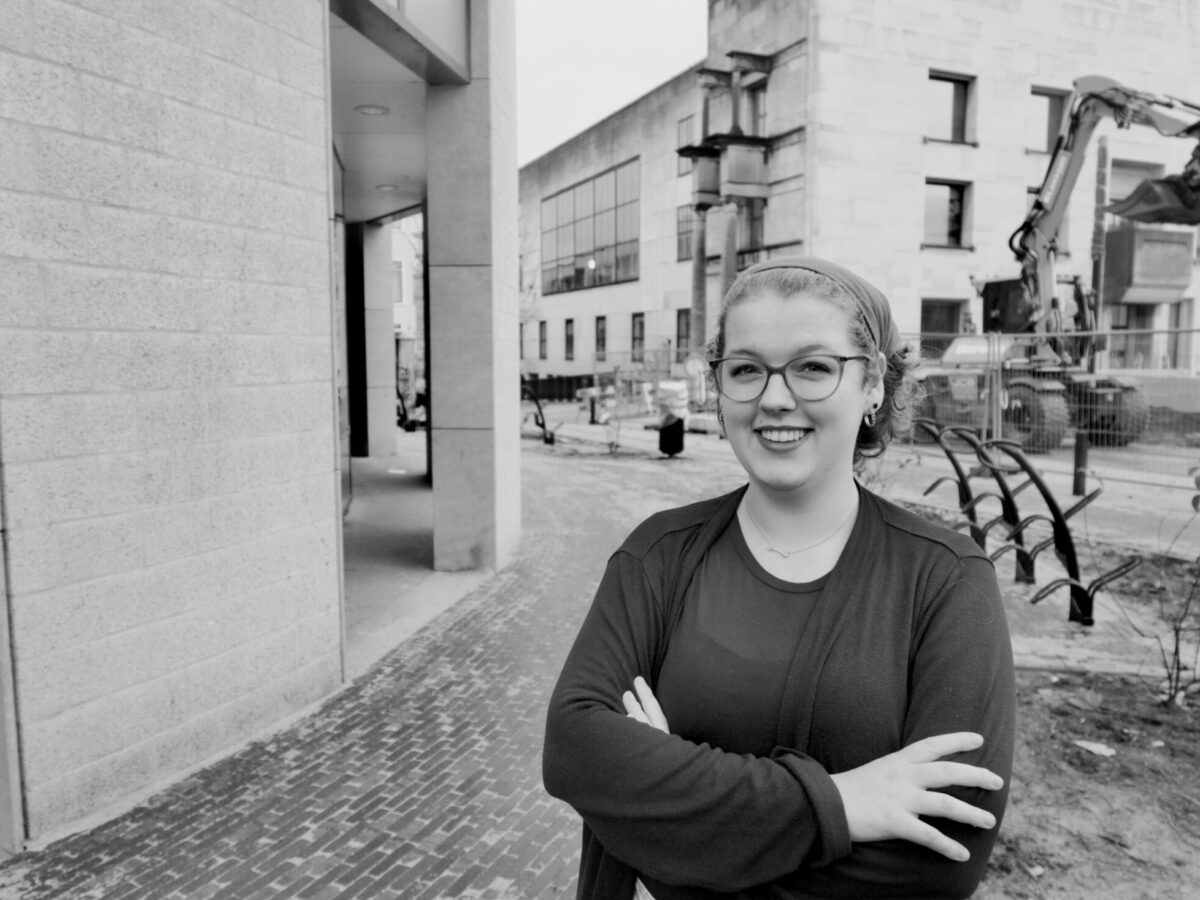
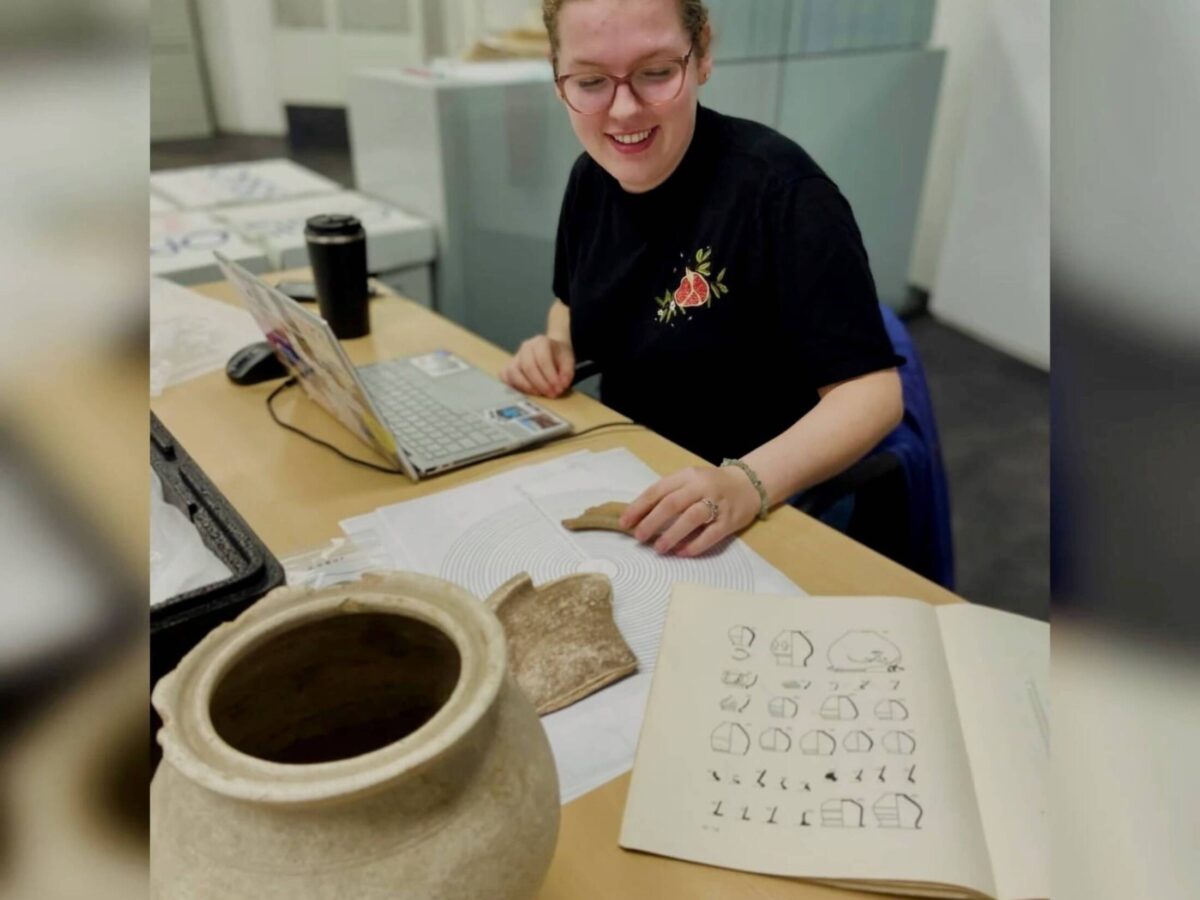
Archaeology student Sabine Boschma from Radboud University Nijmegen is working on the answer to that question during her internship with the regional archaeologist of Parkstad, Hilde Vanneste, and the Roman Museum. During the first half of her time in Heerlen, she could often be found in the archaeological depots of the Roman Museum in Heerlen and the depot of the Province of Limburg.
“I wanted to know what was found at the time and what documentation exists. It turns out that the excavation of 1950 is the best documented. That is relatively good, although it was not carried out according to today’s standards,” Sabine Boschma explains.
New connections
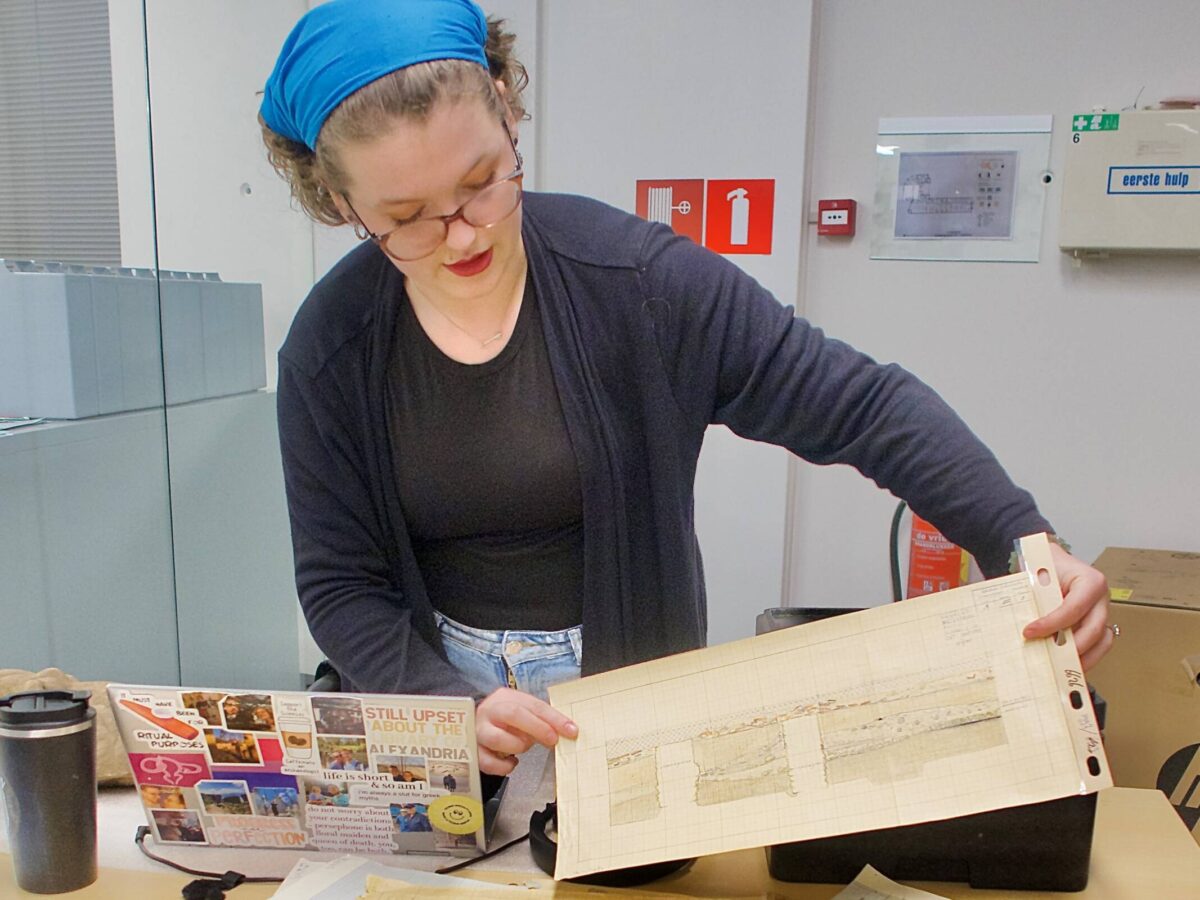
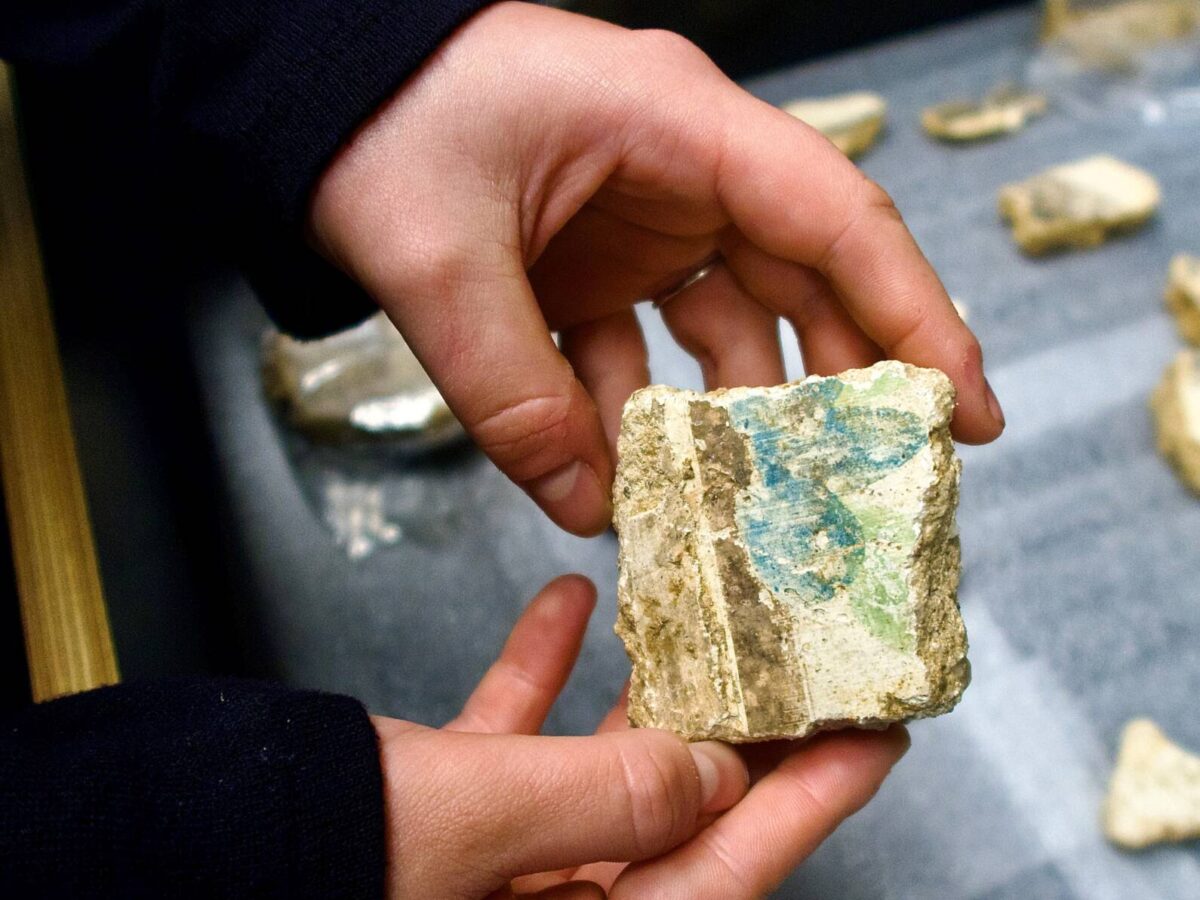
All finds — such as fragments of wall paintings, building materials, natural stone, but above all pottery fragments — are being photographed. This is followed by an attempt to date the finds, and Sabine is creating a database. She also draws on information from the field drawings made by archaeologists at the time, which have only partly been digitised.
“At this stage, I am purely looking at what is there. It is not yet a coherent whole. Once that is the case, I hope to be able to identify new connections. In that way, I hope to contribute, even if only in a small way, to a new perspective on the finds from the past.”
Worth the effort
In an earlier article, doubts were raised about the conclusion that the finds at Meezenbroek belonged to a Roman villa rustica. Sabine sees no reason for doubt:
“I cannot yet draw a definitive conclusion, but all the indications I have seen so far point in the same direction: it was a villa. And one that people at the time considered worth maintaining, because you can see that damage to the hypocaust (underfloor heating) was repaired.”
Once the picture of Villa Meezenbroek has become clear to Sabine, she will begin comparing it with other Roman villae rusticae in South Limburg.
“Then I want to place my interpretation in a broader context and enrich it with current insights, for example those described in the book on Roman villas in Limburg by Jasper de Bruin.”
A moment of realisation
During her studies, Sabine had previously become acquainted with the military aspect of the Roman presence. She was involved in excavations of temporary Roman army camps in Ermelo, Leuvenum and Hoog Buurlo.
“You also see that the ‘military’ aspect often dominates when people talk about the Romans. Now I am working with pottery sherds, and suddenly I come across a piece with a fingerprint on it. That is such a moment of realisation for me: this was once a cooking pot. Now it is a shard that we place in a museum. I wonder whether, in 2,000 years’ time, people will put our IKEA tableware in a museum.”
Also read: Villa Meezenbroek, famous for one day in 1950 thanks to an April Fools’ joke