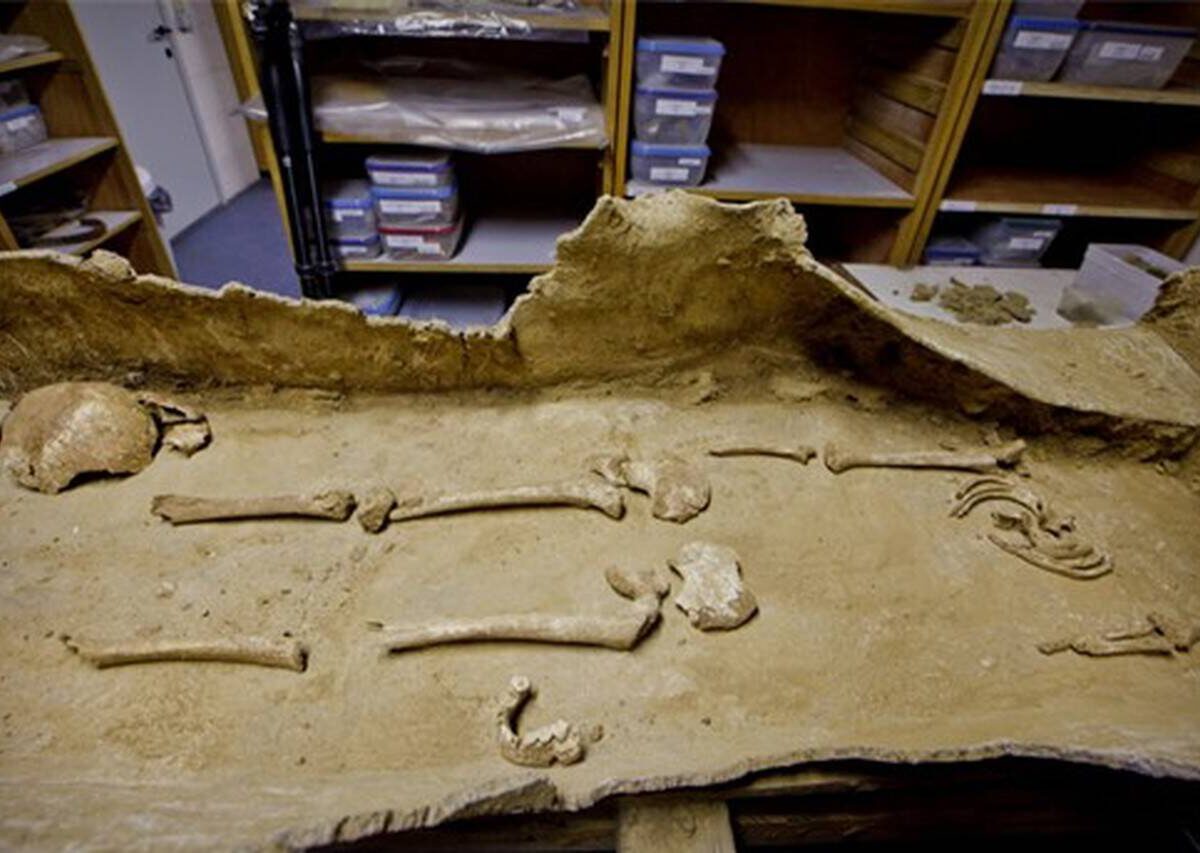
The lead coffin of a child from Riemst
Author: Harry Lindelauf
Photography: IOED
These are the favourite Via Belgica finds chosen by the experts. Discover what archaeologists answer to our question: what is your favourite Roman find along the Via Belgica in South Limburg? The answers are varied and surprising. From a bronze Diana leg to spectacular sandstone ash chests. In ten episodes we present the choices of experts. In the fourth episode:
Gabriella Kaszas— Archaeologist
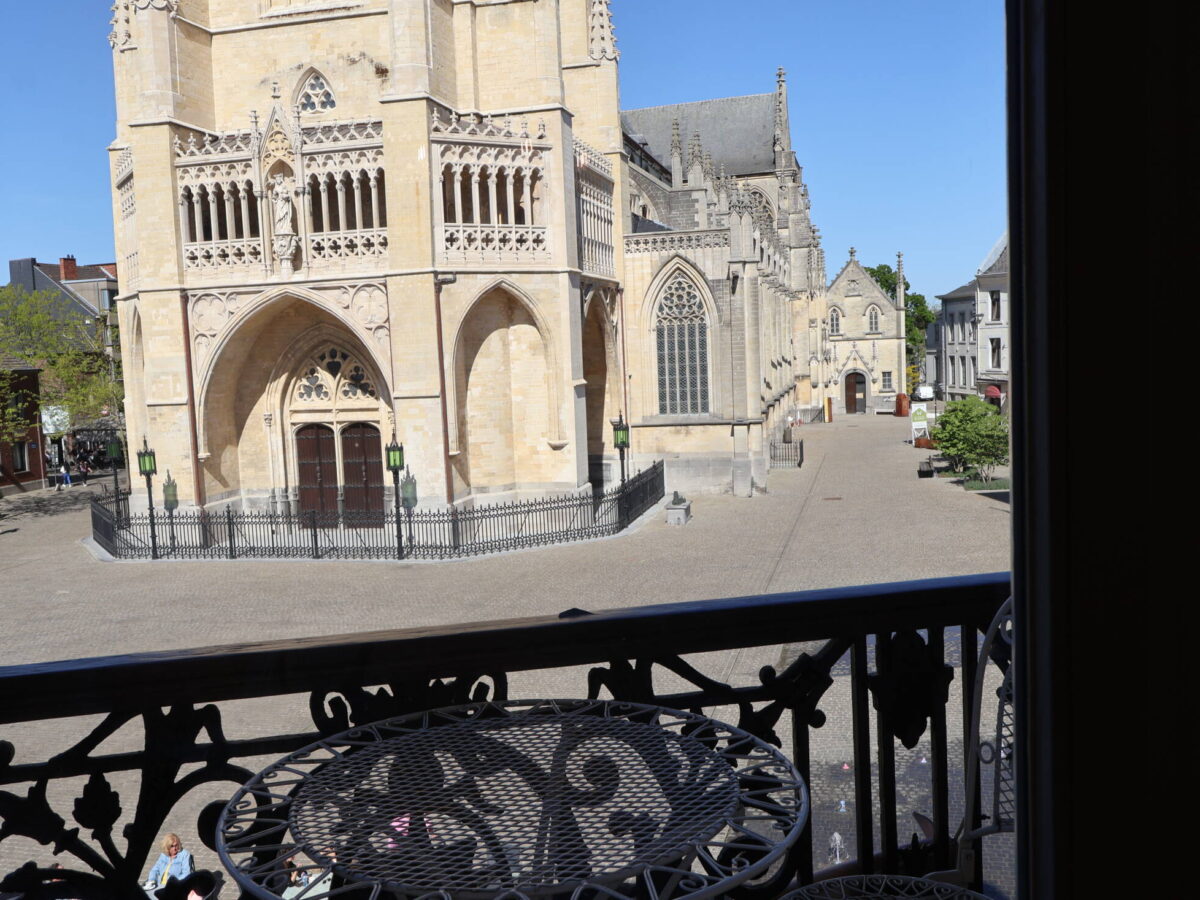
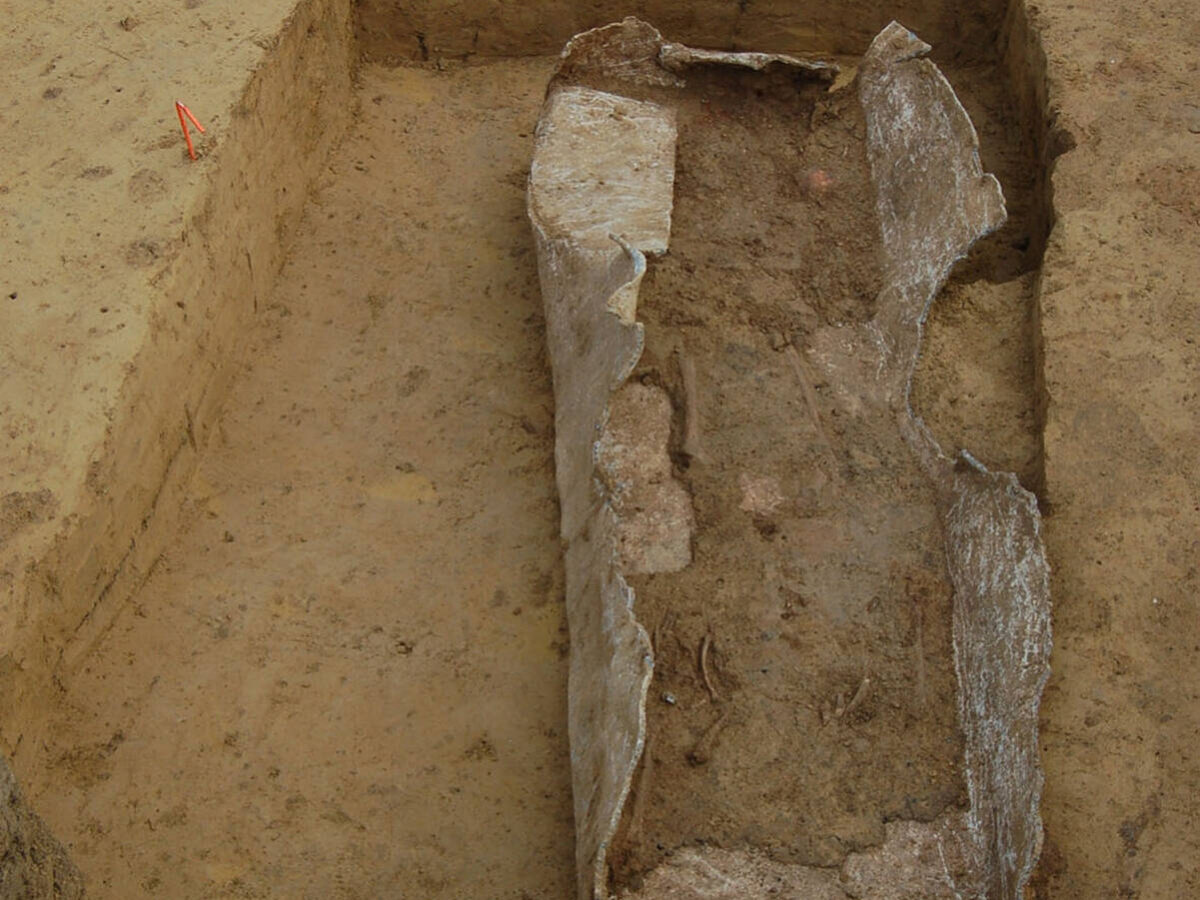
“Extremely rare and a sign of prosperity” is the appreciation that archaeologist Gabriella Kaszas gives to her favourite find. She is consultant for Underground Heritage at the IOED, the Intermunicipal Immovable Heritage Service, among others for Riemst (B). In 2010 amateur archaeologist Benny Castro finds a large piece of lead in a field near Heukelom in Riemst. In further research the VIOE (Flemish Institute for Immovable Heritage) discovers the remaining parts of a Roman lead coffin containing the remains of a child.
Looters
The coffin is 143 cm long, 41 cm wide and 28 cm high, the lead plates riveted together are 0.7 to 0.9 cm thick. Unfortunately the coffin is heavily damaged by looters or by modern ploughing. The coffin dates from the end of the third or the beginning of the fourth century. The contents consist of the incomplete and disturbed skeleton of a child of 7 to 8 years old. Apart from a Roman coin dating from 271–274, no grave goods were found in the coffin. In the whole of Belgium only four other Roman lead coffins have been found.
Rare find in Belgian Heukelom: a lead coffin.