Roman times come back to life in ‘The Lady of Simpelveld’
Author: Sjef Leenen
Photography: Aperture photography and image editing
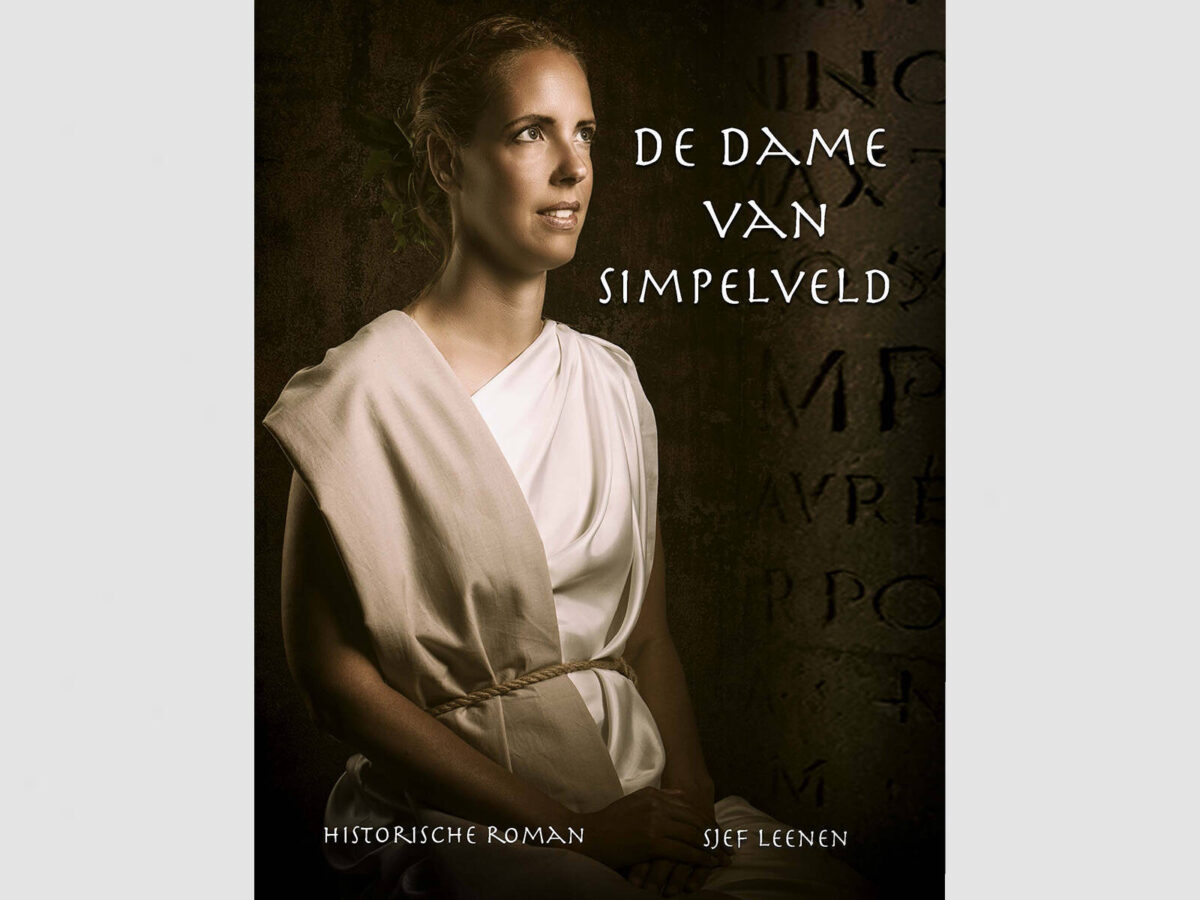
World news was the discovery of a very special Roman sarcophagus in Simpelveld on 11 December 1930. The sculptural work on the inside, the grave goods and the ashes of the deceased tell part of the history. This novel tells the full life story of the woman for whom the sarcophagus was made. The restoration of the sarcophagus at the National Museum of Antiquities in Leiden can be followed live until 14 January 2021.
Contents
Rome in the year 190 AD. On his deathbed, her father tells Juna that she is a foster child and that her biological mother lives in Sempervivetum (Simpelveld). Juna travels together with a few slaves to Gaul in the northwest of the Roman Empire to visit her mother, who manages a villa rustica there. In Sempervivetum several surprises await her. Juna develops into an intelligent, emancipated woman who approaches the management of the villa and the farmland in an innovative way.
The author
After his well-received debut novel Koppelmenu, this is the second novel by Sjef Leenen. Writing fiction is his passion. He followed fiction-writing courses in Antwerp and Genk. In the life story of the Lady of Simpelveld, he has incorporated the actual research results of the sarcophagus, the ashes and the grave goods. He then placed this within a realistic historical image of the Roman Empire during the 2nd century AD.
The book is available in all (online) bookstores and can also be ordered (signed if desired) by sending an email to sjefleenen@hotmail.com stating the shipping address. The price is €19.50 including shipping costs and can be paid via Tikkie.
Title: ‘De Dame van Simpelveld’, historical novel, paperback, 218 pages, publisher Quaas, author Sjef Leenen, cover Luttie Esser, Aperture photography and image editing, retail price €19.50
Ninety years after the discovery of the famous sarcophagus of Simpelveld, Sjef Leenen from Eys presents his historical novel about ‘The Lady of Simpelveld’.—