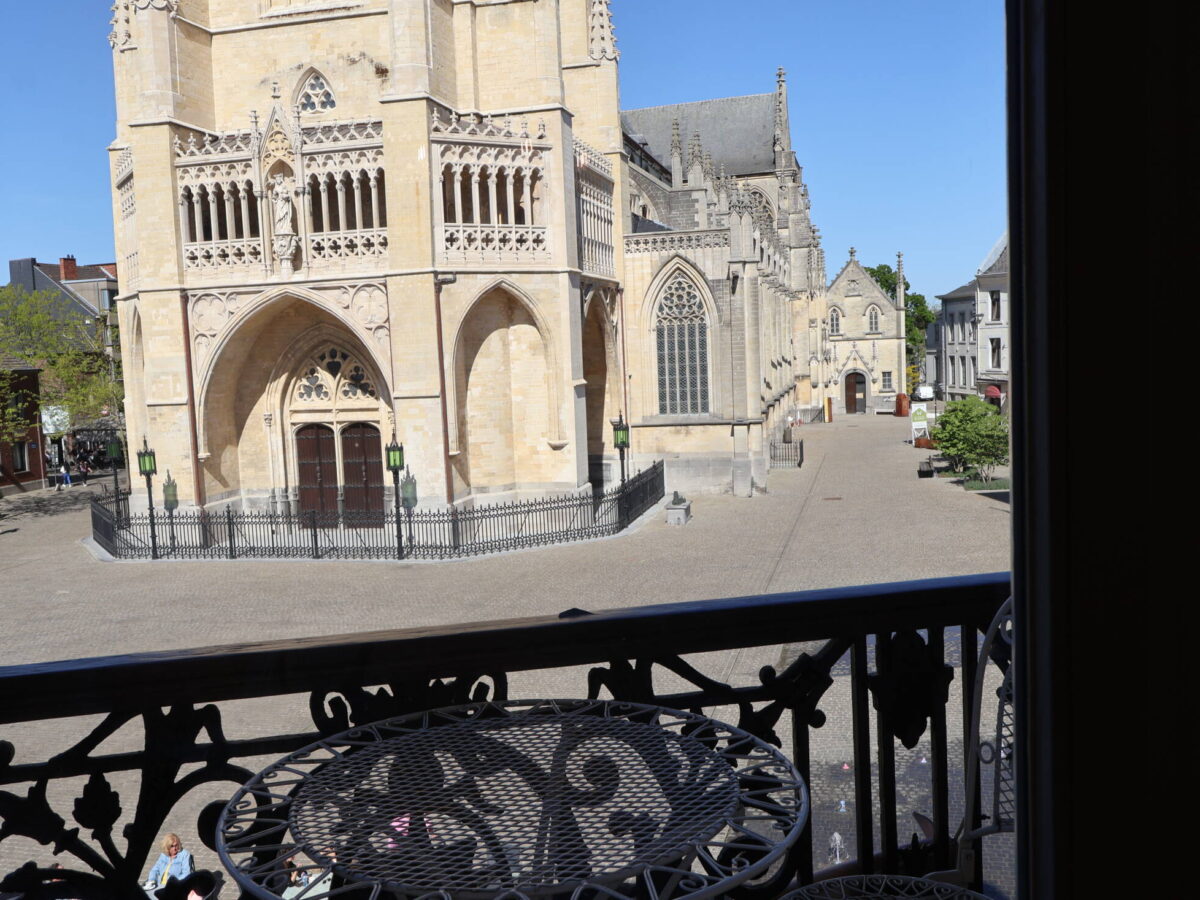
Linea Recta Foundation celebrates 12.5 years!
Author: Ankie Bosch
Photography: Ties Pijpers
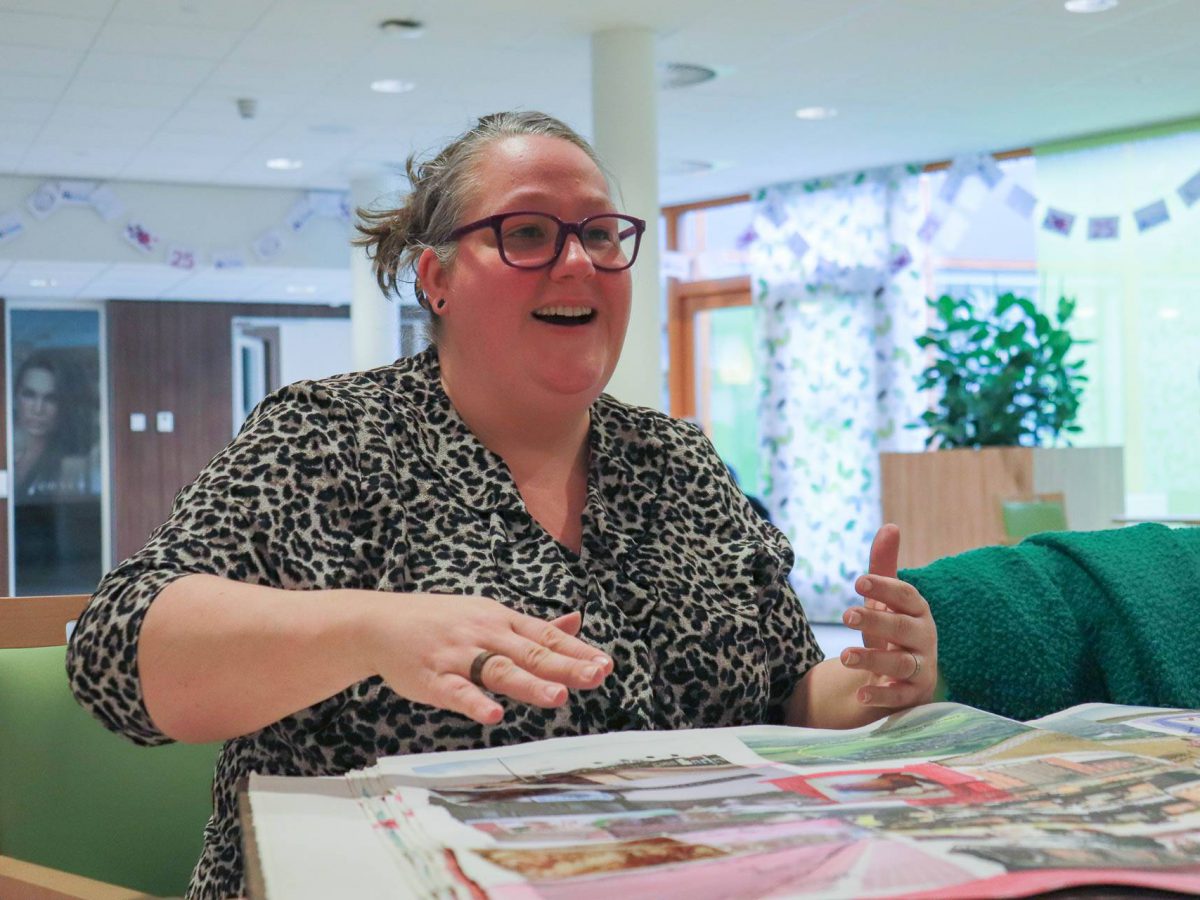
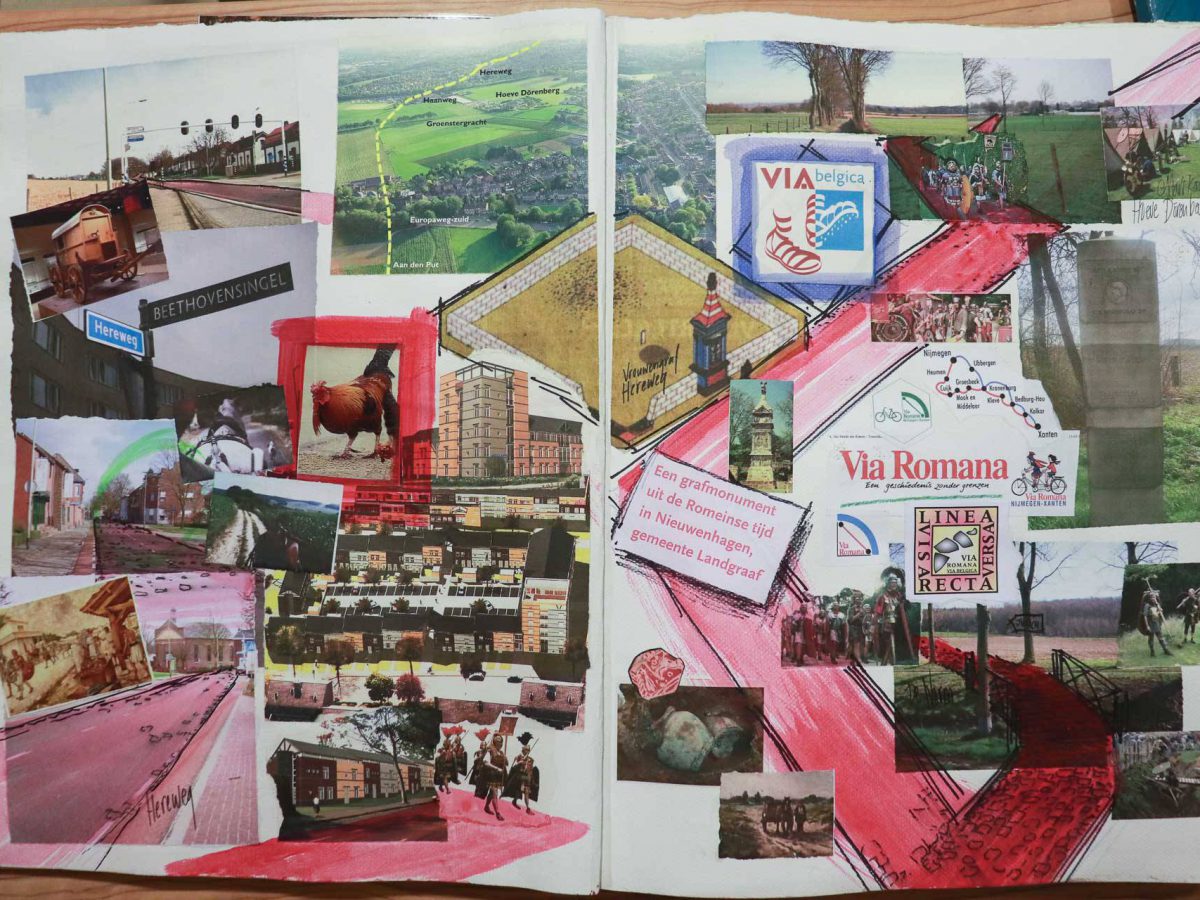
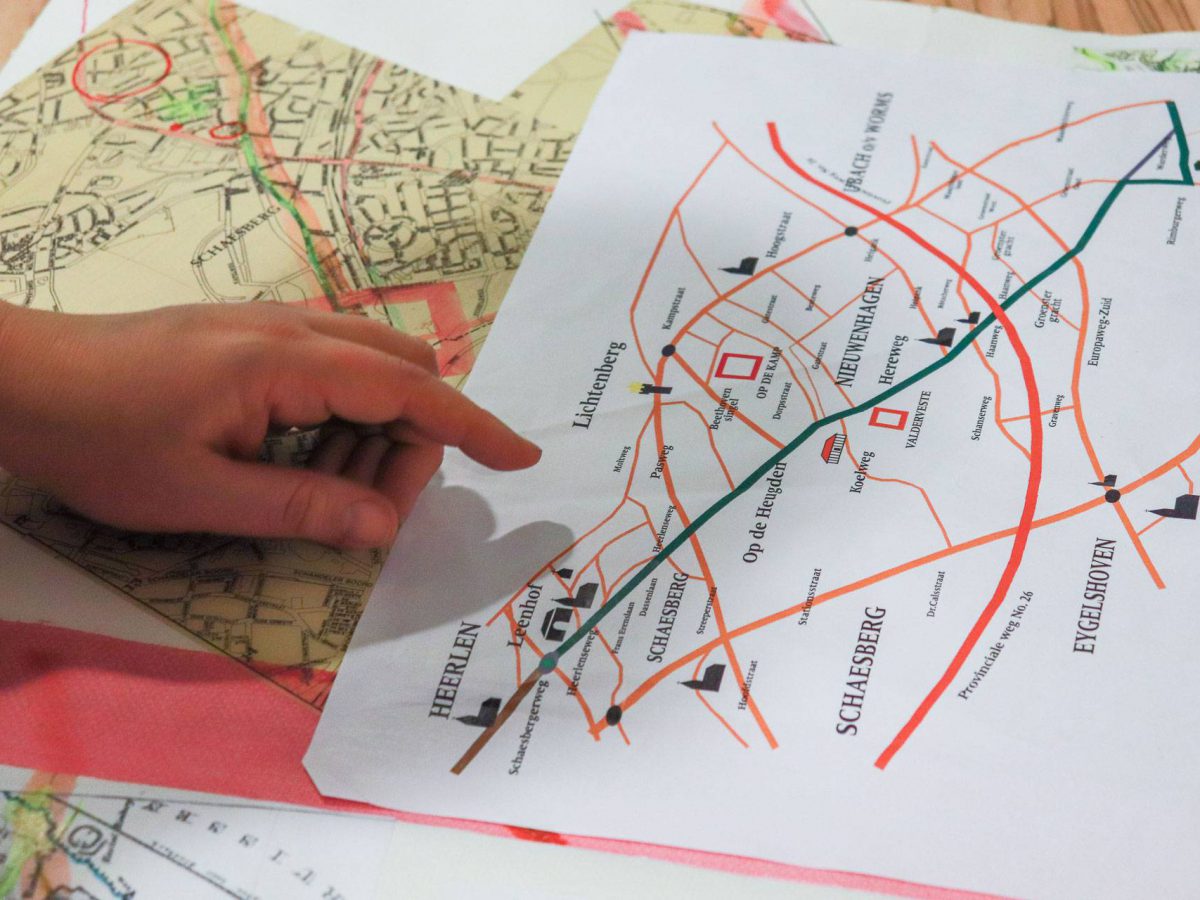
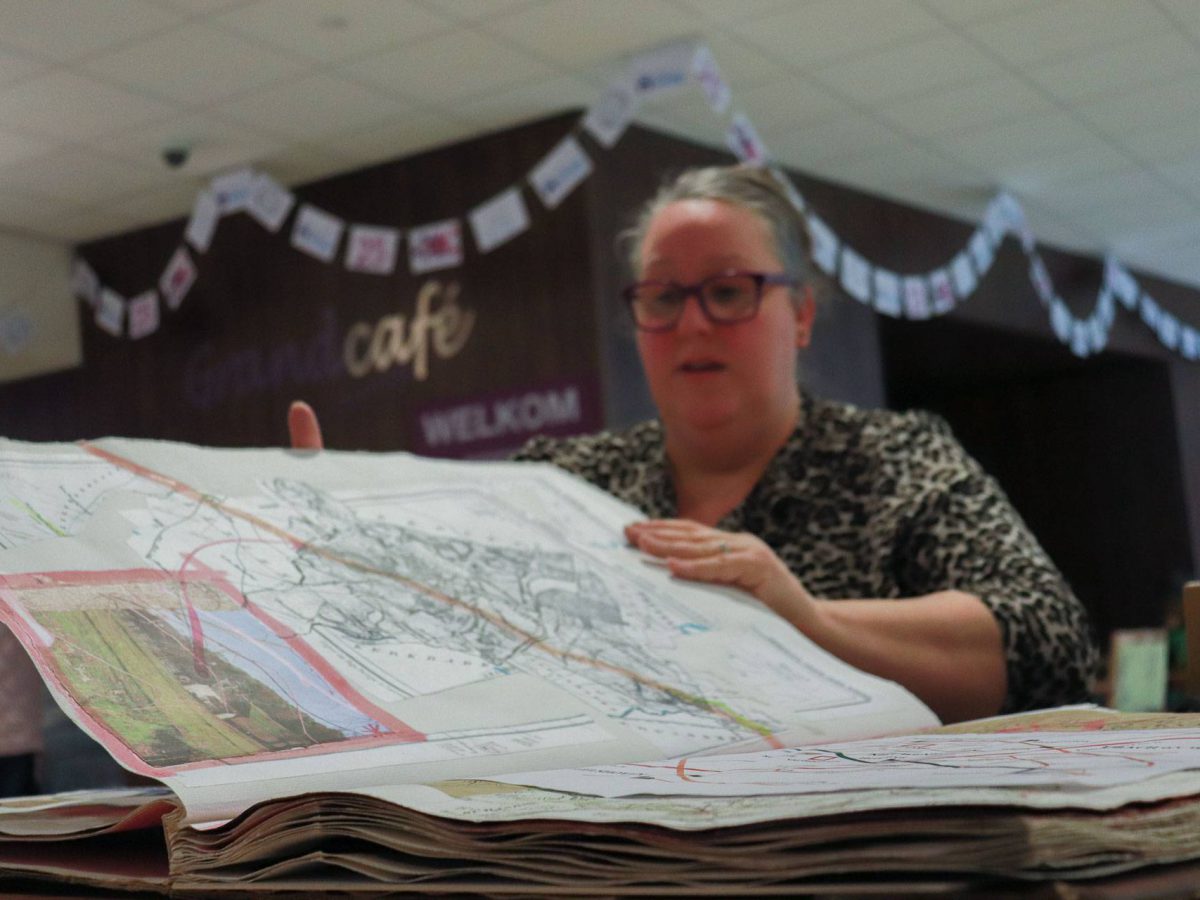
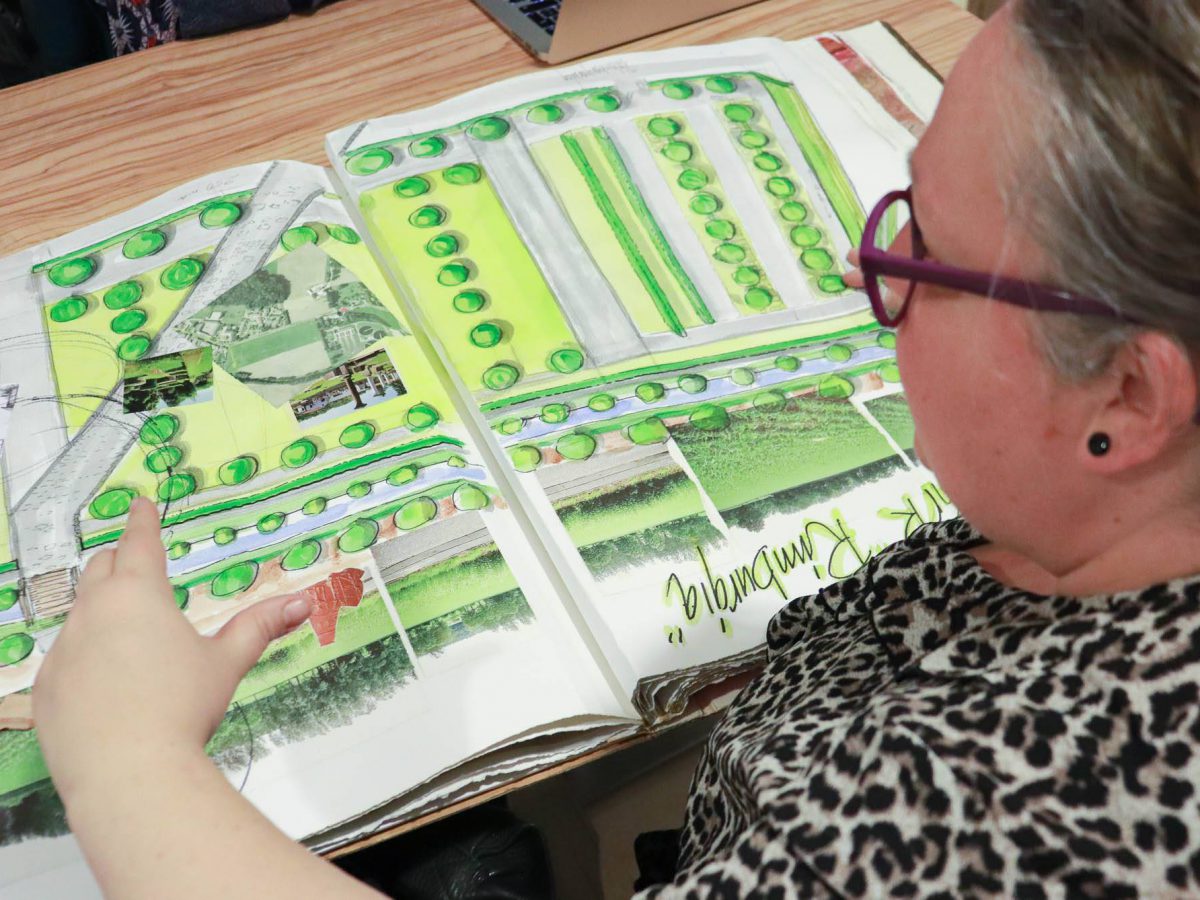
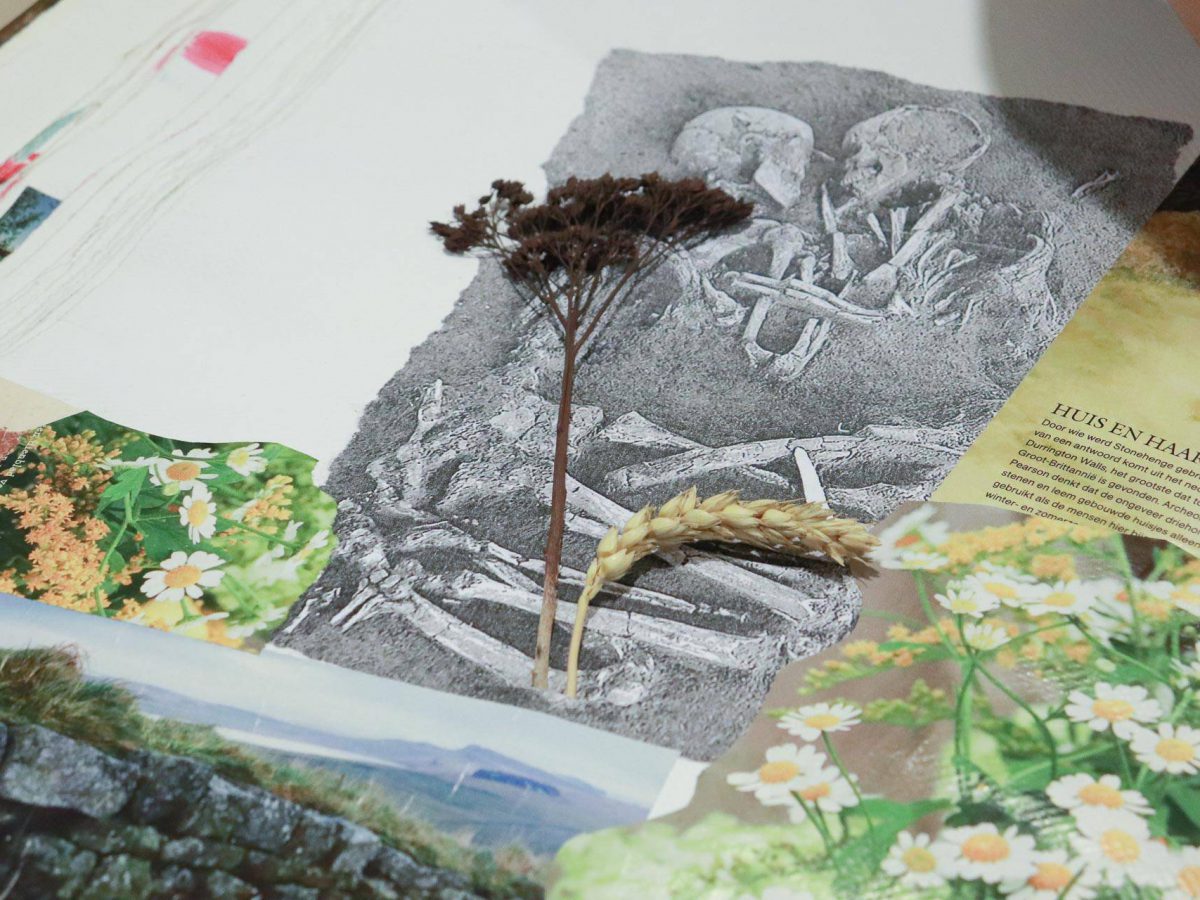
In 2006, artist John van den Berg cycles with a friend along the Via Belgica. Once home, he translates that bike ride into an enormous scrapbook. He supplements drawings and photos with background information, maps of the surroundings, and a poem. That scrapbook, his daughter Eefke says, is the beginning of the Linea Recta Foundation, which has now been putting the Roman past of Landgraaf on the map for 12.5 years.
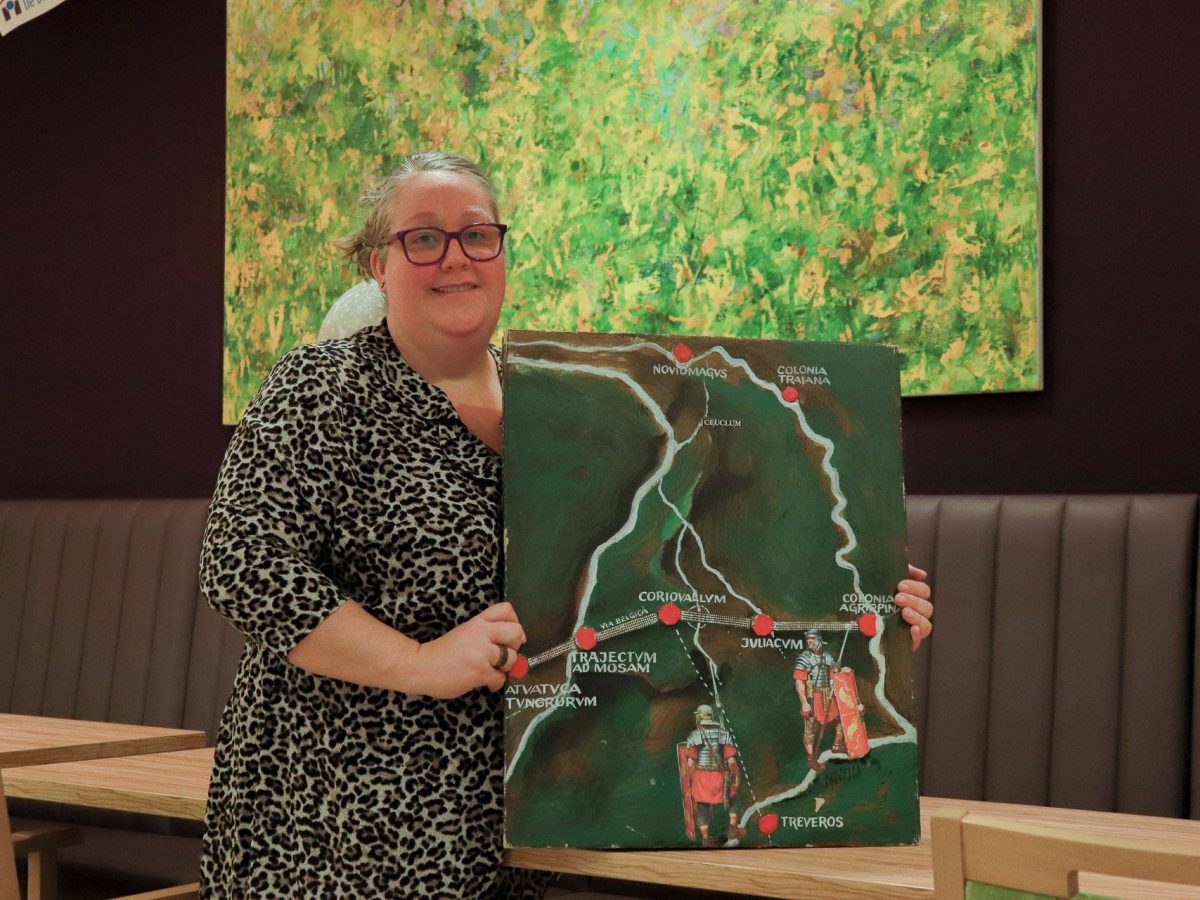
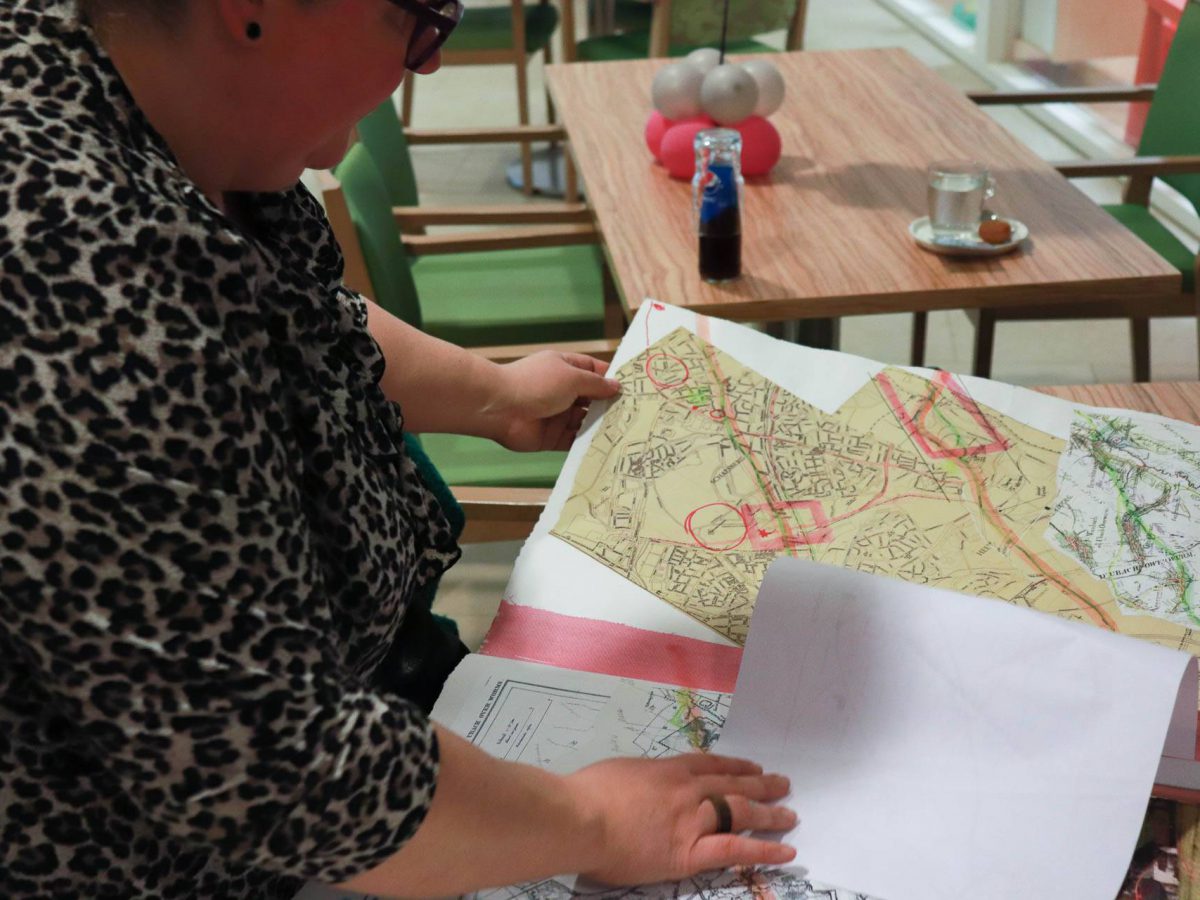
Eefke Bos beams as she shows the book. In fact, she beams the entire time. She is proud of her father, that much is clear. The book, she says, was originally intended as an art project. An inspiration book. During activities, the volunteers always bring it with them: “It attracts people. People enjoy looking through it, they become inspired themselves. And it’s a great way to start a conversation.”
One thing leads to another: from a scrapbook to a citizens’ initiative, from a citizens’ initiative to a social goal, and eventually to a foundation. The big question: how do you bring the rich Roman past of Landgraaf to people’s attention? Because even if the past lies right under your nose, you need to know where to look in order to see it.
Awareness
“We started with an awareness project,” Eefke explains. Using four artistic elements, the project Via Linea Recta aims to make Landgraaf aware of its Roman roots.
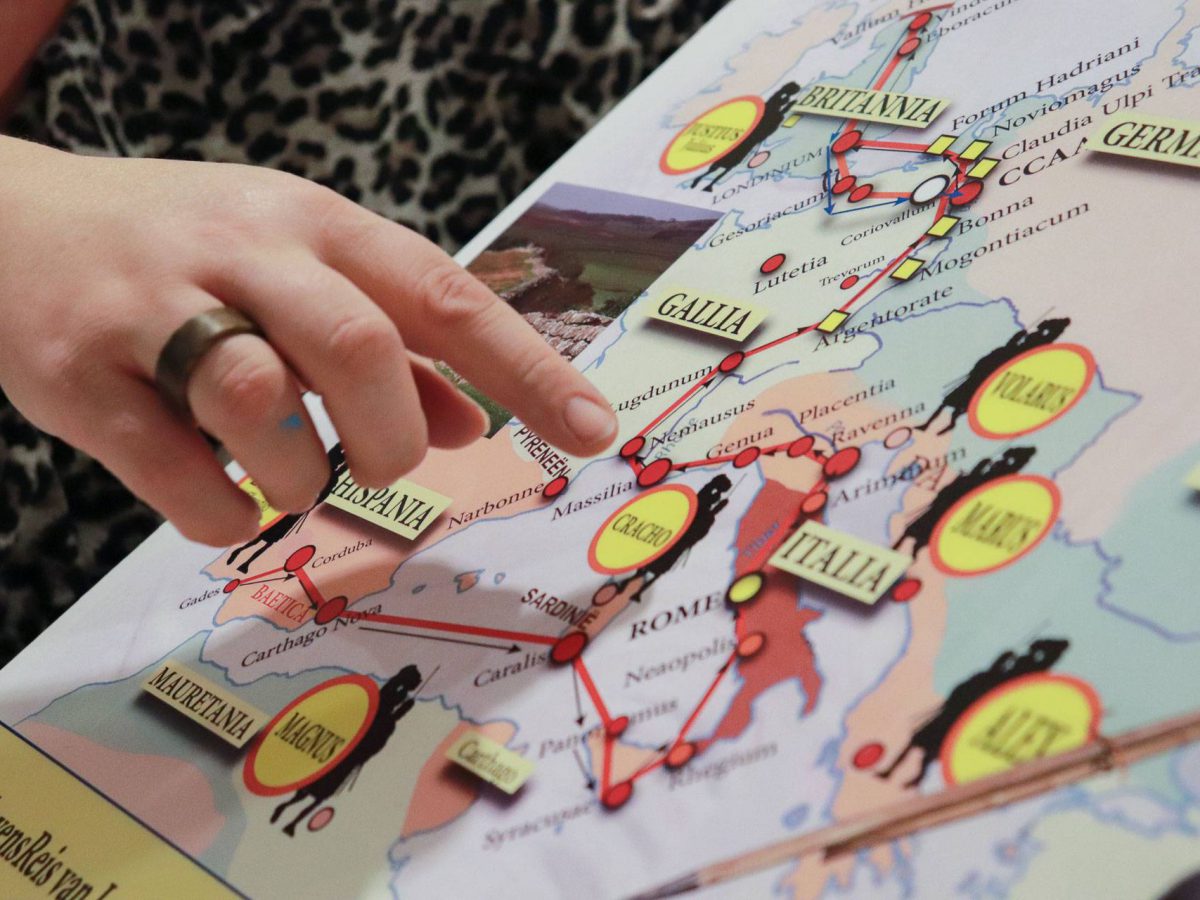
A Roman procession from Schaesberg to a Roman market in Rimburg is the first crowd-puller. Then follows a book, The Amulet of the Lichtberg, which tells the life story of the Roman legionary Lucas. That book, too, is by John, who brings the story further to life in 52 paintings exhibited in De Dormig in Schaesberg.
There was also a theatre concert planned, but for financial reasons it has been postponed.
“The awareness project lasted three years,” says Eefke. “Since then, The Amulet of the Lichtberg has been the starting point for everything we do. It’s also great for schools. If you give children a potsherd, it doesn’t mean much to them. But if you tell them a story and show them the paintings, you spark their imagination. That’s also the idea behind the book. Once you’ve read it, you look at the Herenweg with completely different eyes.”
Obelix
Volunteers of Linea Recta usually take a teaching box with them to schools.
Eefke: “We have a Roman helmet that the children can put on. We usually bring the scrapbook as well. And we often go on a plateau walk of about 5 kilometres to Op de Bies and the Vrouwengraf.”
The volunteers are also ready for other interested groups: “If you want to go on a themed walk with your hiking group, we have a guide for you. You can also add a lecture or workshop,” Eefke says. “Our chairperson works on the history of food, so you can even request a workshop with food.”
For all these activities, Eefke is the first point of contact. The other volunteers support her where needed. “We have people who carry chairs and tables, someone who manages Facebook, others who deliver flyers or staff the information stand. If I need help, for example at a workshop making scented pouches or mosaics, I see who is available. One of our volunteers even once carried a column like Obelix!”
Friends
Linea Recta works closely with other businesses and organisations.
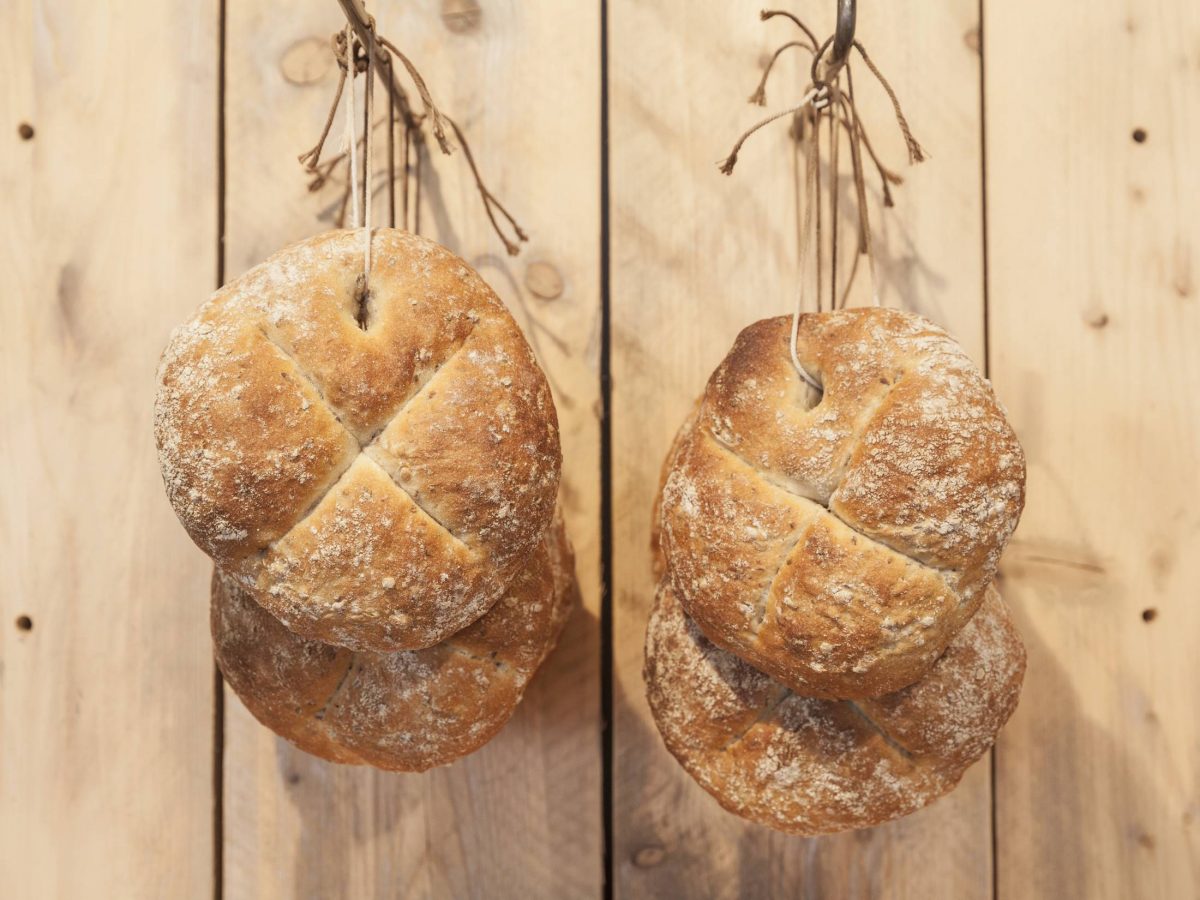
Eefke: “Bakery Aroma, for example, has developed the Roman Roll, a roll made with spelt. You can divide it into four parts because it was a daily ration. And there’s a little string attached: to hold it, but also to hang it out of reach of vermin.”
Other companies are also supportive of the foundation: “The campsites, for example, scouting groups, or CPFXL, a printing and graphics company. They have supported us from the beginning so that we can achieve something together.”
“On 4 October, during the next Festival Via Belgica, we hope to do something together with other Friends,” she continues. “After all, we’re all looking in the same direction.”
Before that happens, a retrospective exhibition in honour of the 12.5-year anniversary is planned, although due to the coronavirus it has been postponed from spring 2020 to a later date.
Travellers’ group
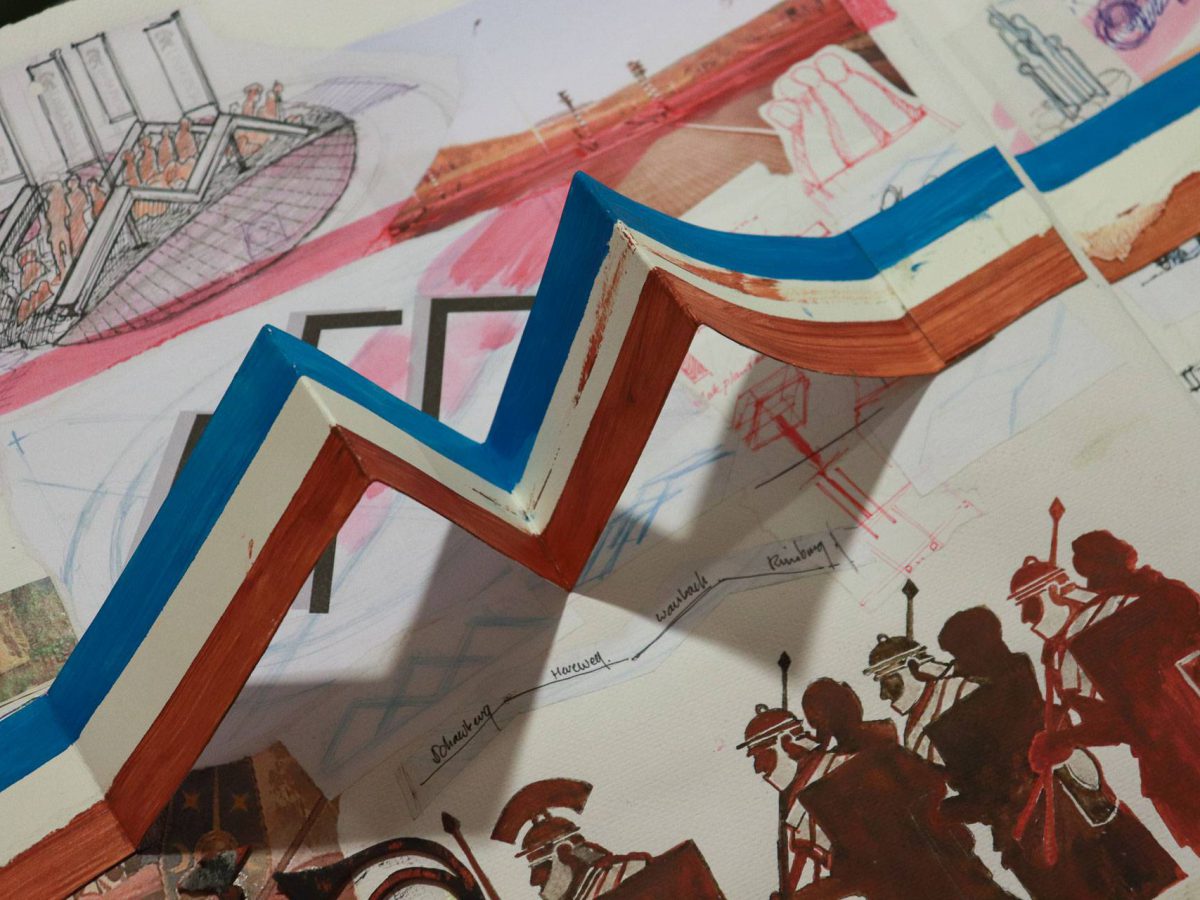
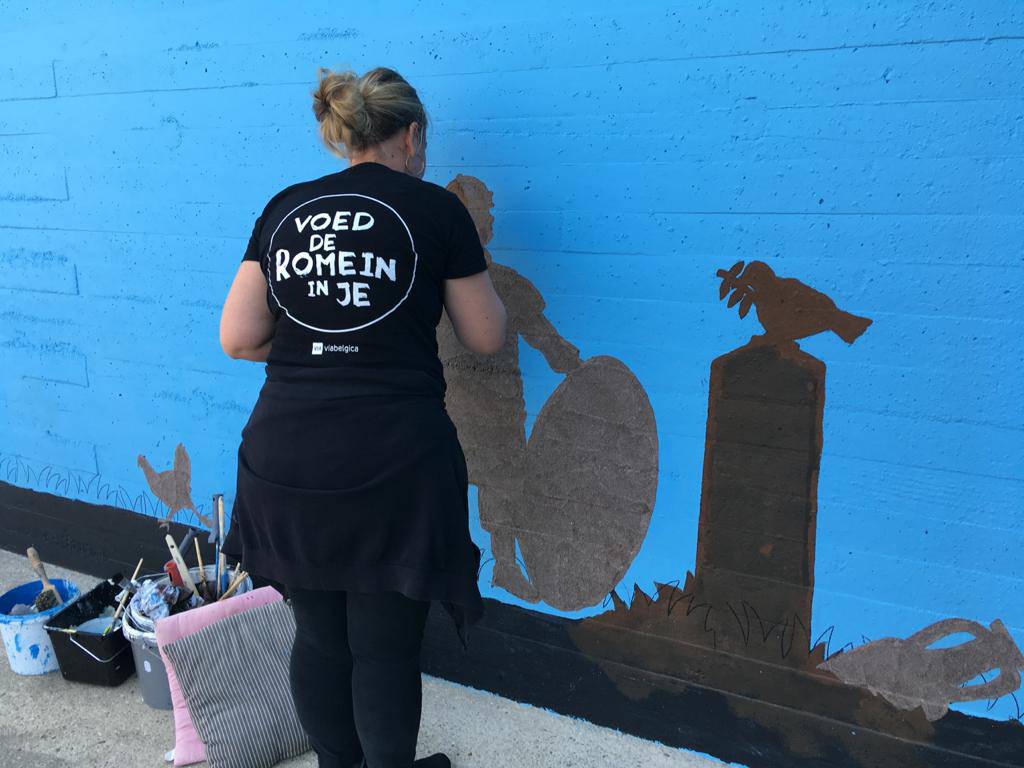
At the time of writing, work is well underway on completing a painting under the viaduct at Haanweg. The artwork is one of the ideas that father John had already recorded in the scrapbook.
On the walls, the outlines of a travellers’ group appear: a daytime version towards Jülich and Cologne, a nighttime version towards Heerlen and Maastricht.
Rhythm of the Days will be the title, a reference to the coming and going of travellers, as still happens today. The painting is done by volunteers; all materials are sponsored.
The date of the unveiling is yet to be decided. Meanwhile, passers-by can already admire the progress.
Dreams
Does Eefke still have dreams for Linea Recta?
“I would love for the real main route, as far as it is known, to be signposted. I’m not into digital tools—I want to see something when I’m walking. Right now, the main route is 70 km by stringing together detours, while the real route is only 34 km. We worry that true theme-cyclists might drop out because of that. Whereas when they come and see how beautiful it is here…”
And of course, there are still plenty of ideas in her father’s scrapbook.
Such as a Roman park on a field in Rimburg (Eefke: “After ploughing and rain he often goes to have a look”) or a Via Belgica tune.
Each idea comes with a whole story.
“I can talk for hours,” laughs Eefke as she closes the scrapbook. “When dad started, I told him I would help him for one day. It completely got out of hand.”
“When dad started, I told him I would help him for one day. It completely got out of hand.”— Eefke Bos