Romans through an artistic lens
Author: Anja Neskens
Photography: Wil van der Laan
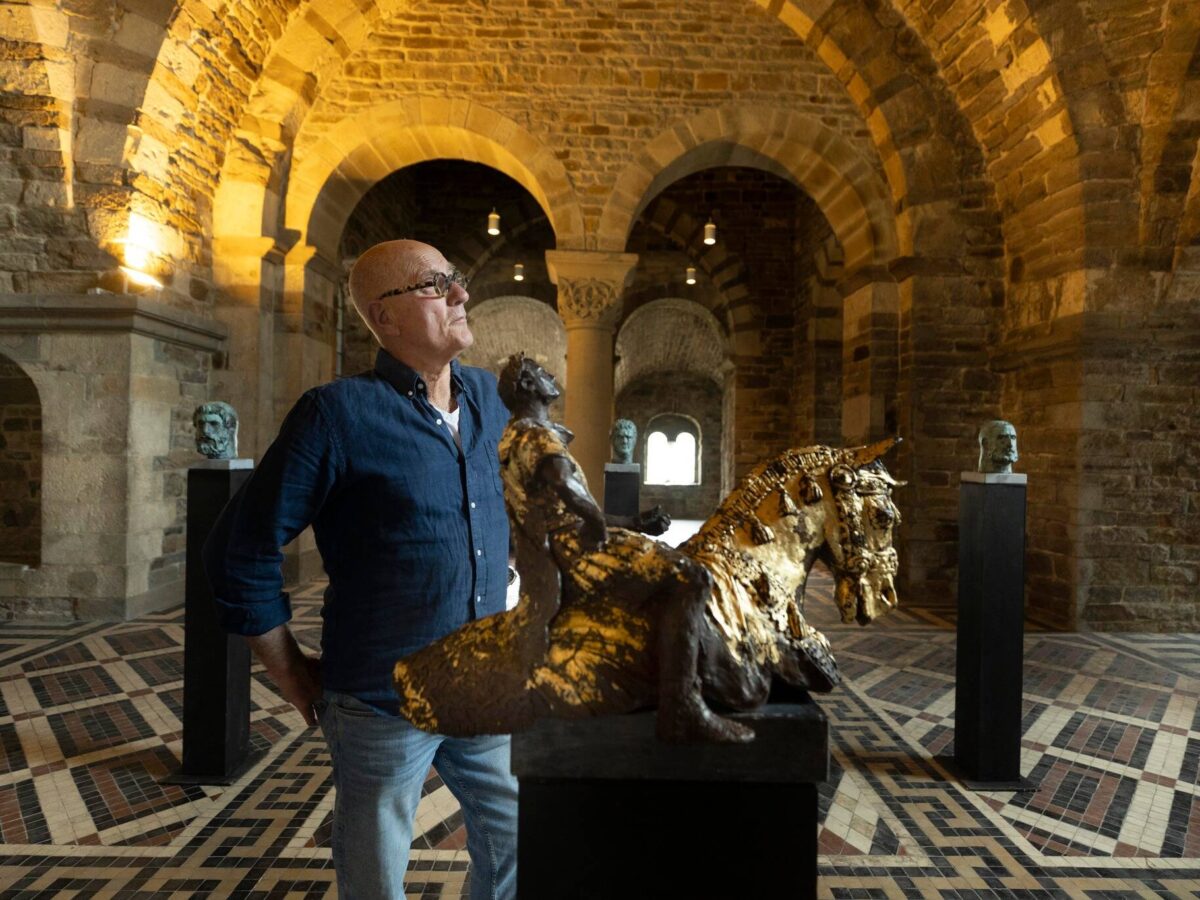
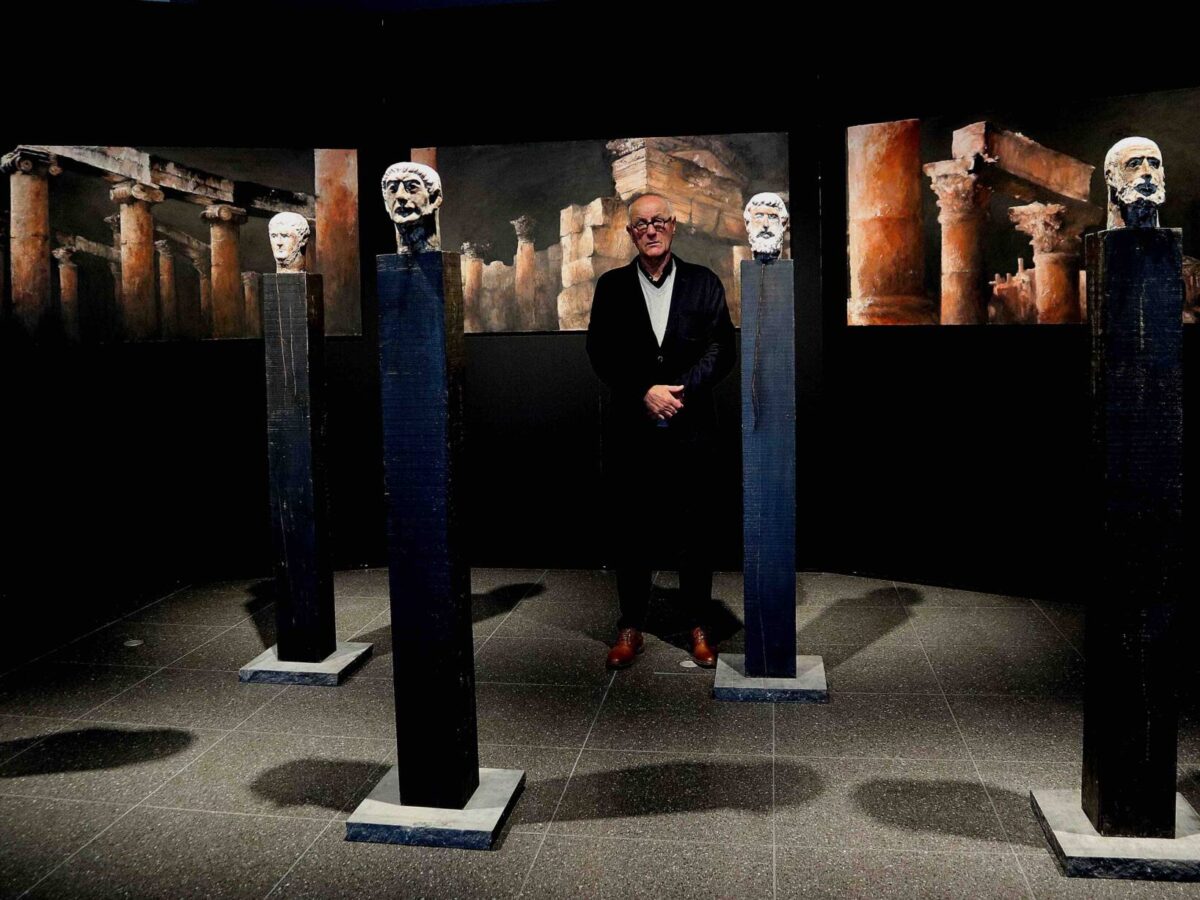
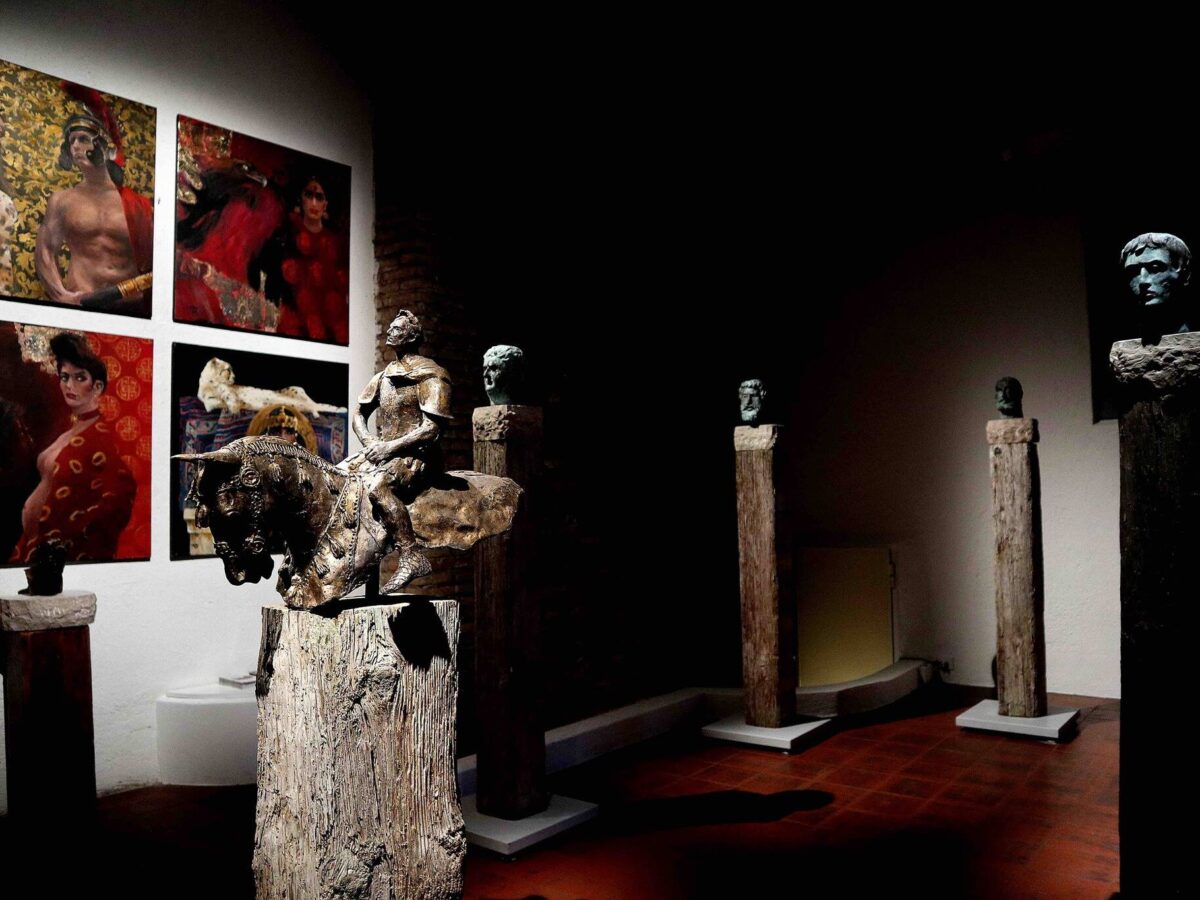
Wil van der Laan is a renowned artist from Meerssen. His love for Roman heritage is inexhaustible, and this is reflected in many of his works. From bronze emperors to ordinary figures from the Roman past, mixed with a touch of inspiration from Rodin. Wil is one of the most enthusiastic artists you will meet. His passion for his work quite literally radiates from everything he does.
Tell us a little more about yourself.
After secondary school there was really only one option for me: drawing. I enjoyed languages, but subjects such as accounting and mathematics were beyond me. Drawing was where my strength lay. So that was the path I followed. For five years I studied diligently at the Municipal Academy of Applied Arts in Maastricht and, through the state examinations – that was how it worked in those days – I obtained my first-grade teaching qualification in drawing and art history.
For 41 years I had the privilege of inspiring more than 9,000 pupils with my passion for lines on paper and for art history.
Alongside my job as a teacher you could usually find me in my home studio. I found the love of my life, who after 50 years still gives me the space to work in my studio day in, day out. That is what you call true love: giving each other the freedom to grow in your passion. I am therefore very grateful to her.
And what kind of works did you create in your studio?
Painting and sculpting were my main activities. Thanks to my connections in the sports world, I created bronze sculptures with great conviction. At the same time, I painted one African subject after another. Until 9/11 – after that, nobody wanted paintings with a link to … That was the moment when I turned towards European themes, such as Italy or my beloved Maastricht.
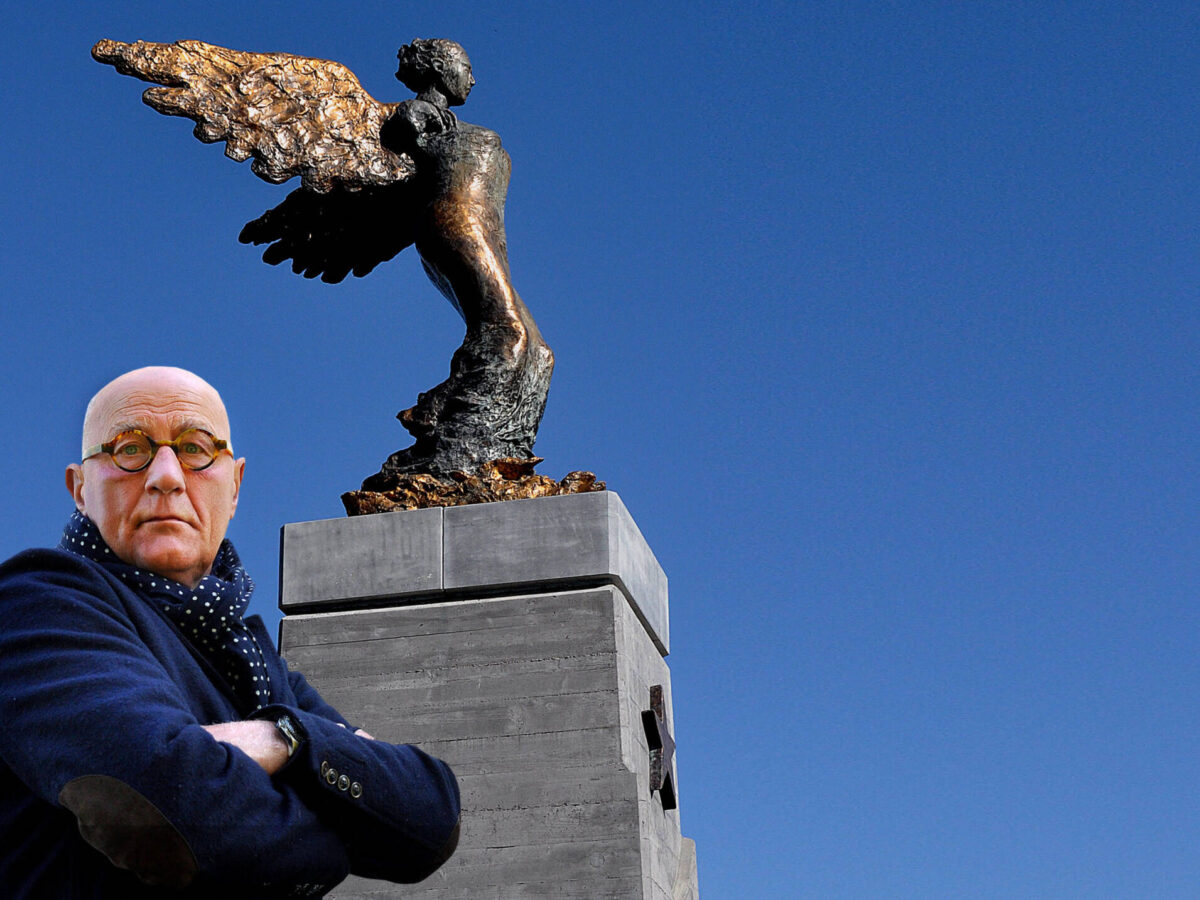
The three-metre-high angel in Maastricht gave me a real boost and helped attract new clients. It is a sculpture with typically Maastricht qualities: graceful, elegant, charming, seductive and refined. Various themes followed, such as paintings of the famous brown cafés in Maastricht. I truly enjoy working on those.
I always have an idea in mind: what shall we create next? At five o’clock in the morning I am already up, with my head buzzing with plans.
Where do you get all that boundless energy from?
Well, I still roll around in the grass with my grandchildren or hide on the roof while playing with them. In my mind I am still a small child, someone who fully enjoys life. A child takes on every challenge, and even at the age of 75 I still do the same.
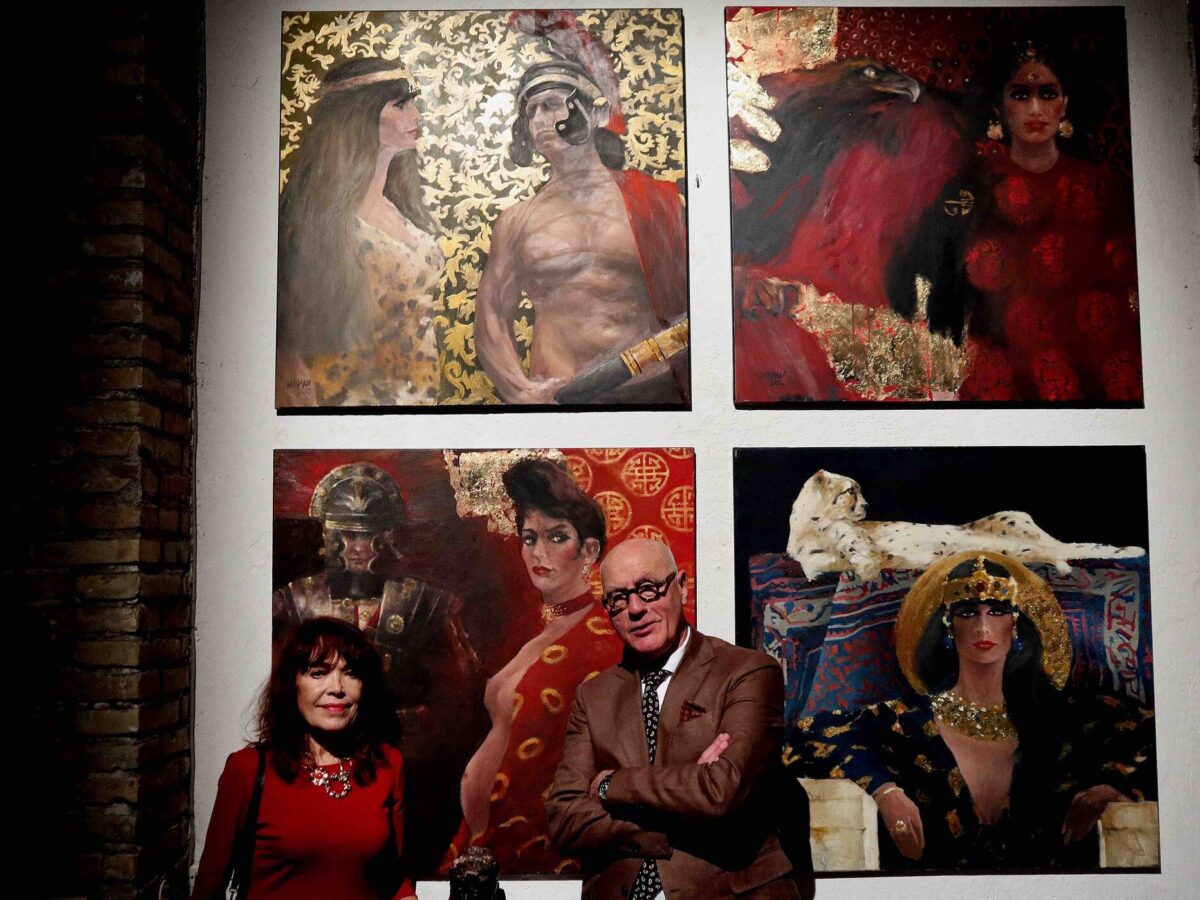
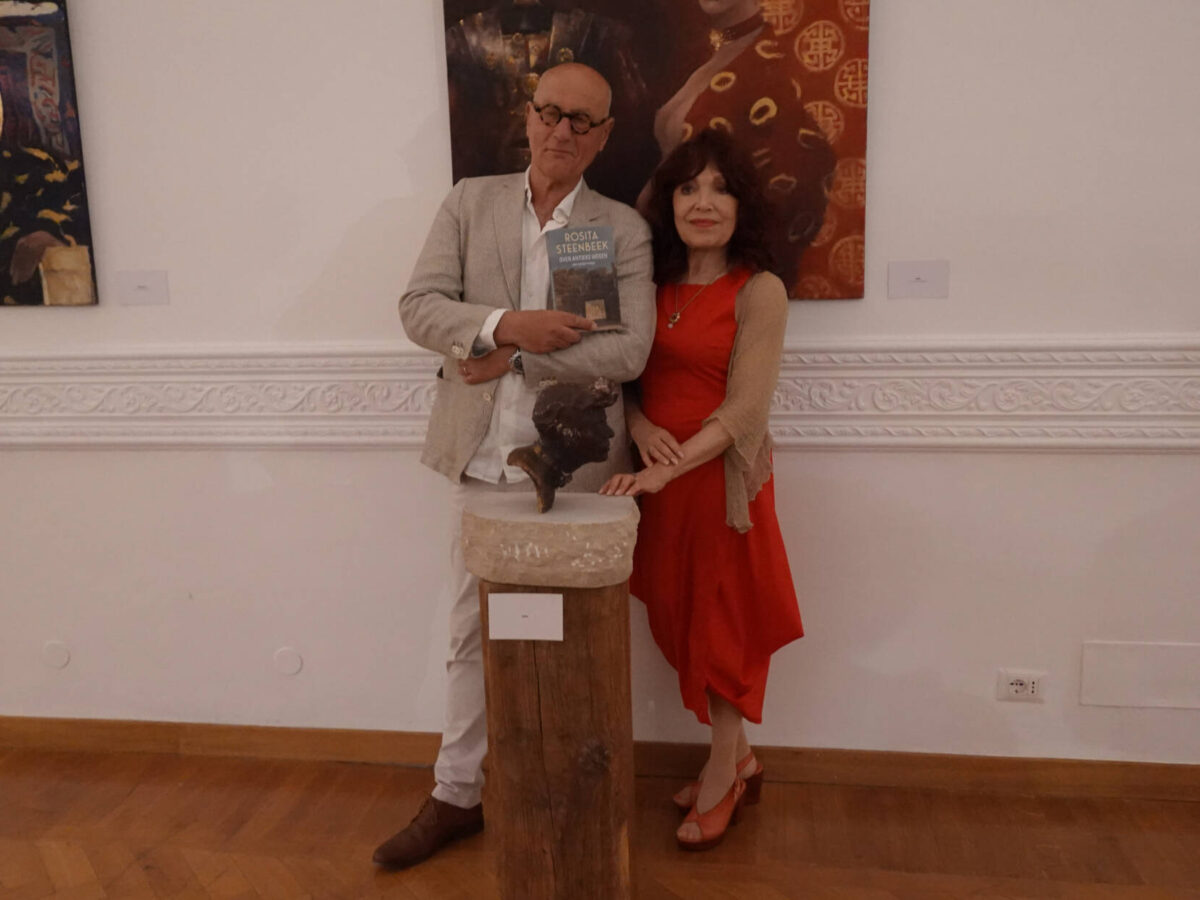
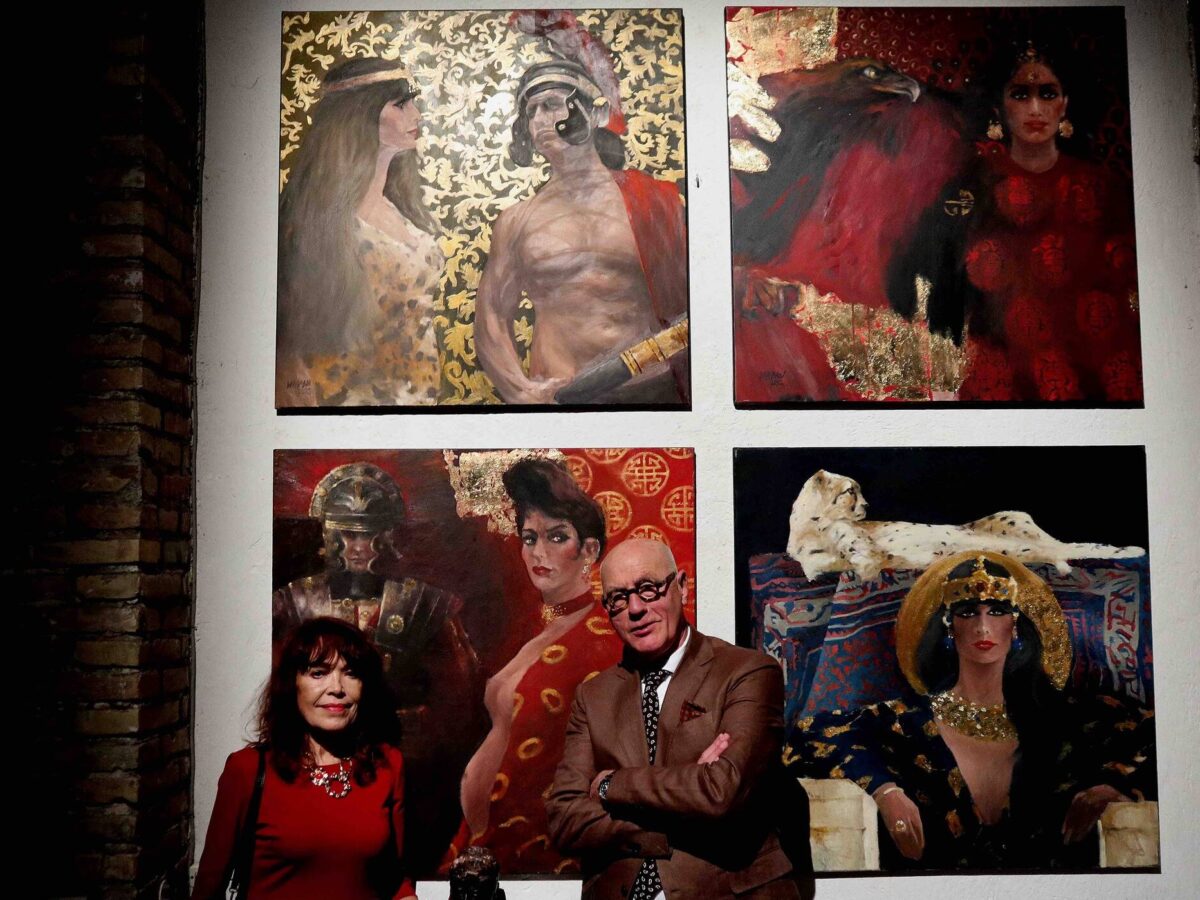
Photo: Wil and Rosita
Where does your interest in Roman heritage come from?
I developed most of my knowledge and skills by visiting a great many museums. The Musée Rodin stands head and shoulders above the rest. I never tire of it…
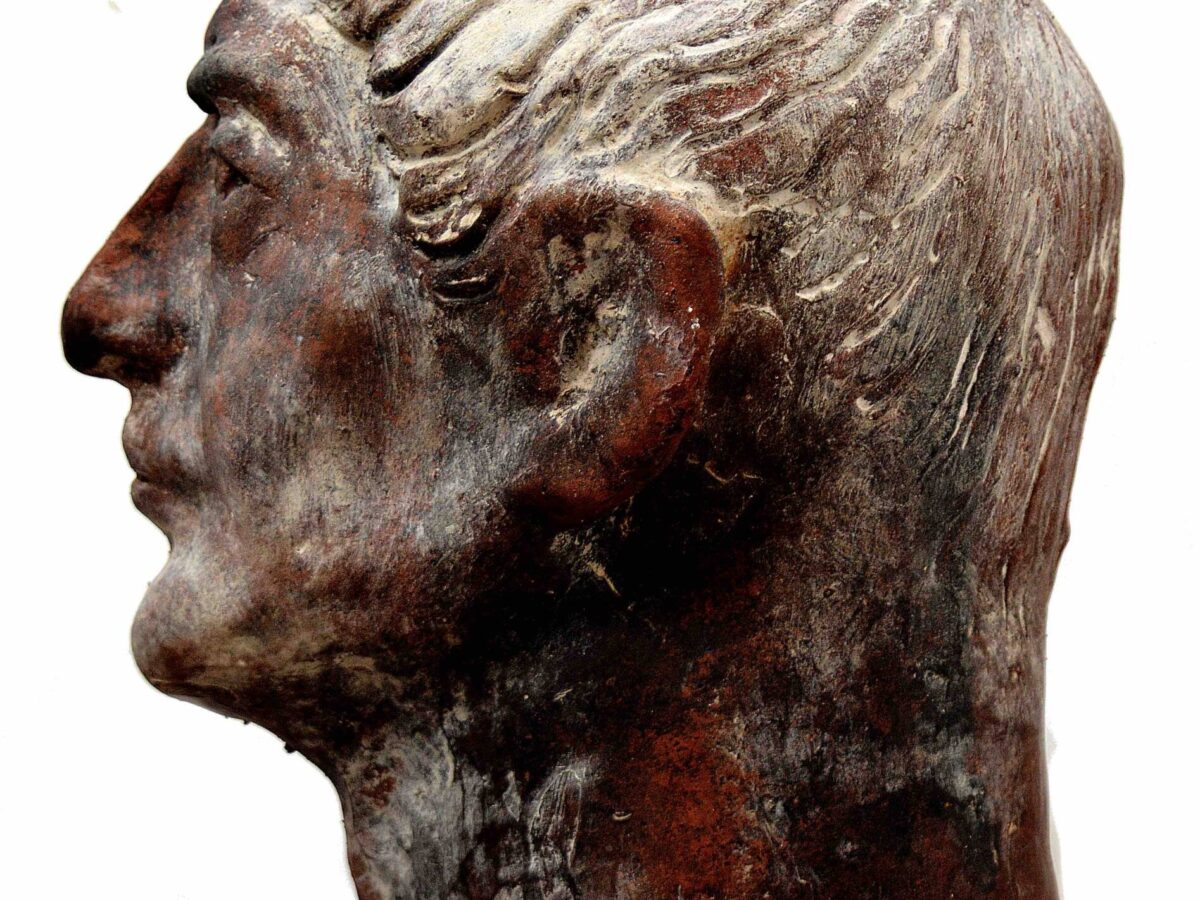
And Roman art is simply beautiful! The essence of what makes it beautiful lies in its realism. Greek art is more beautiful than reality itself, almost divine. The portrait heads in Roman art, on the other hand, are more realistic and natural. A face should reveal something about the person.
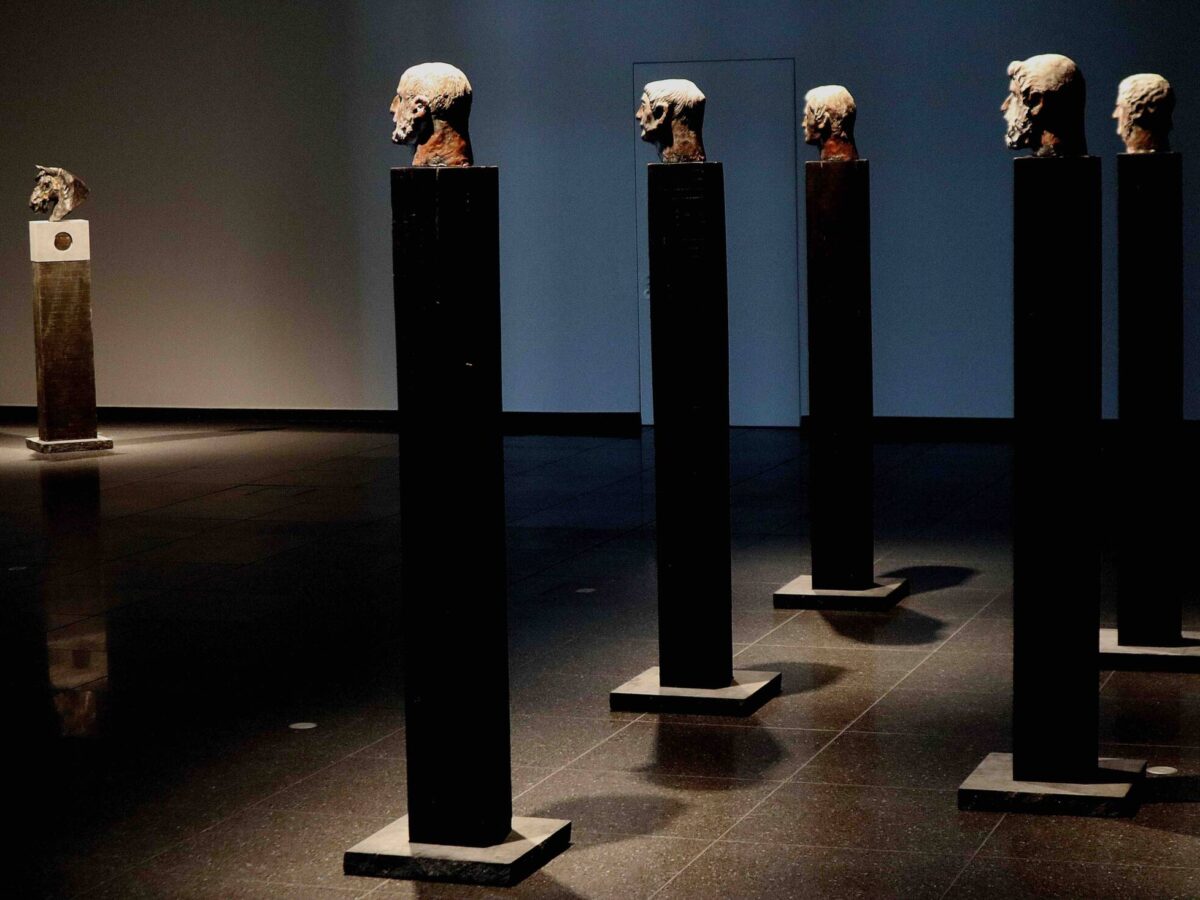
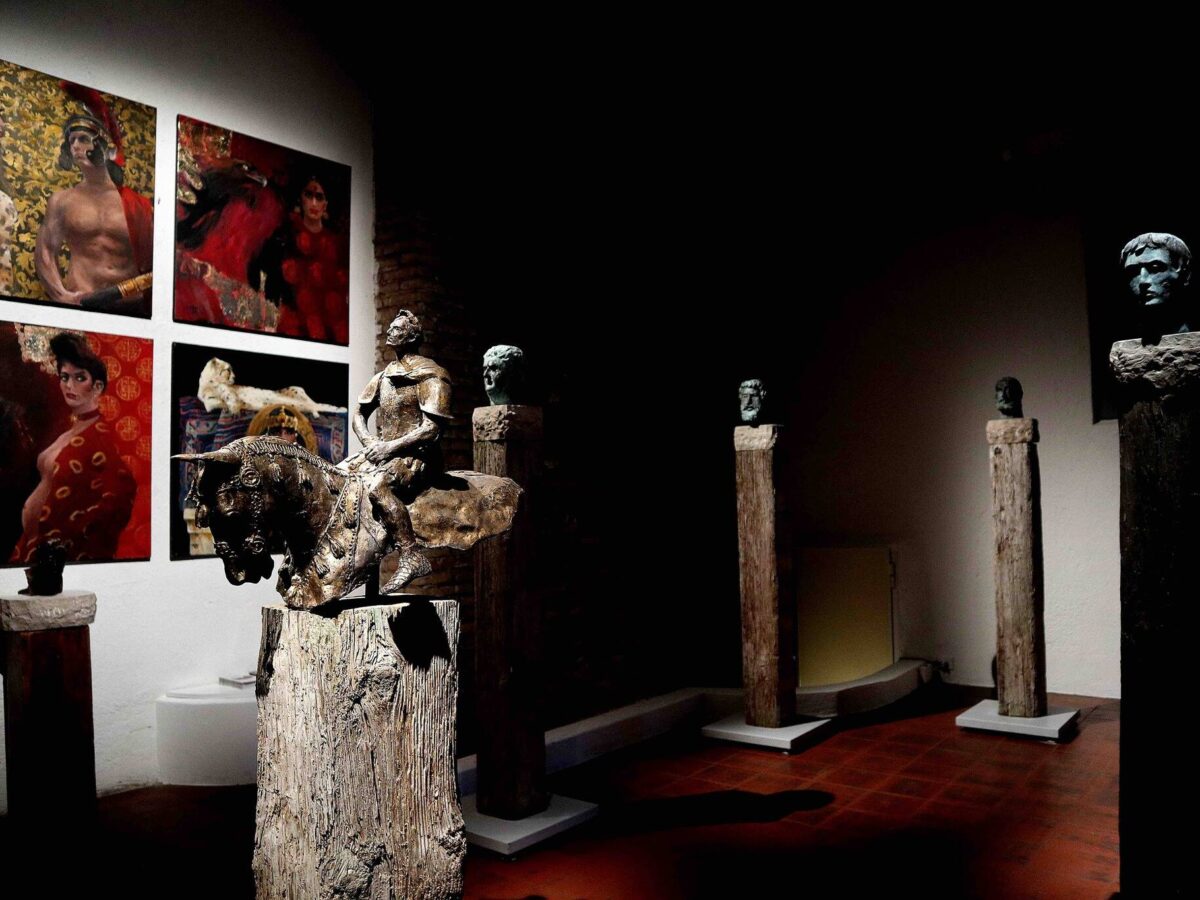
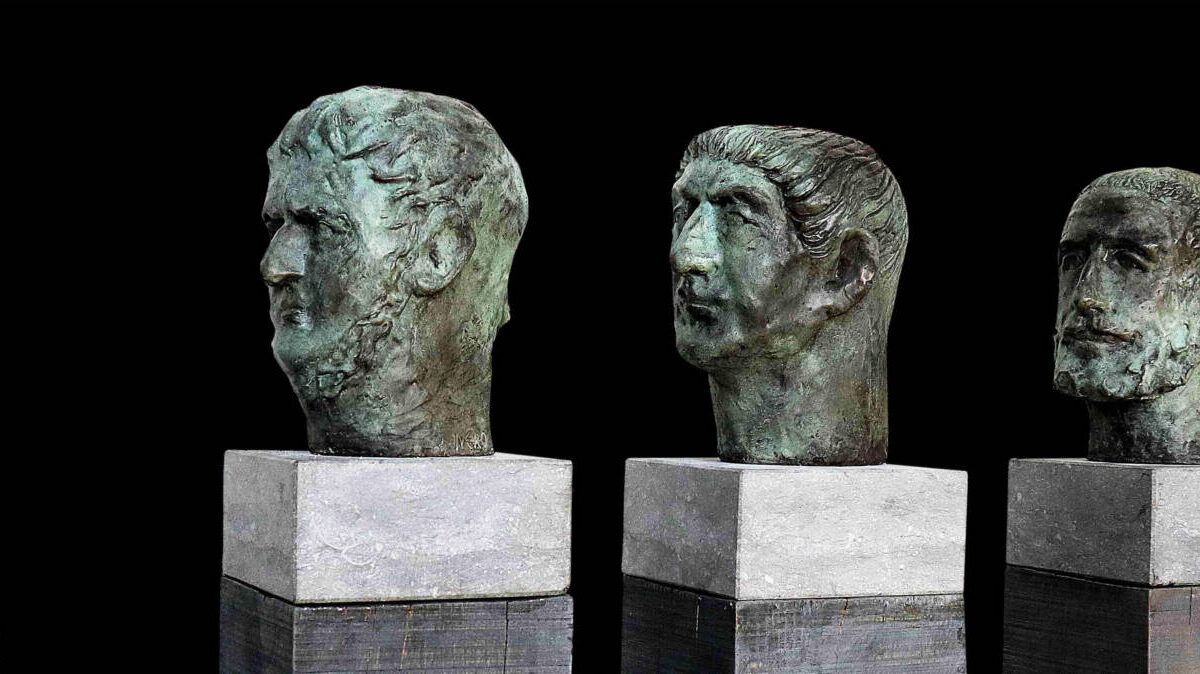
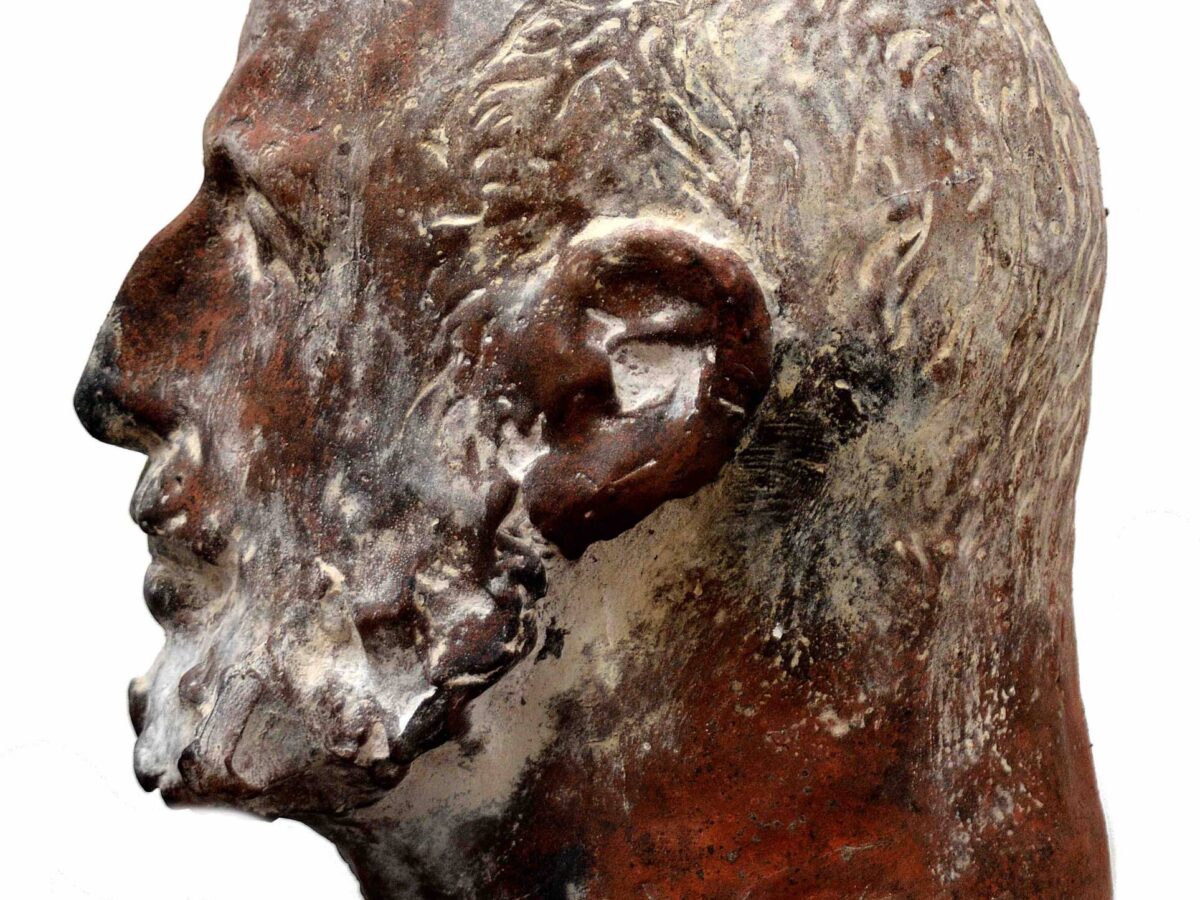
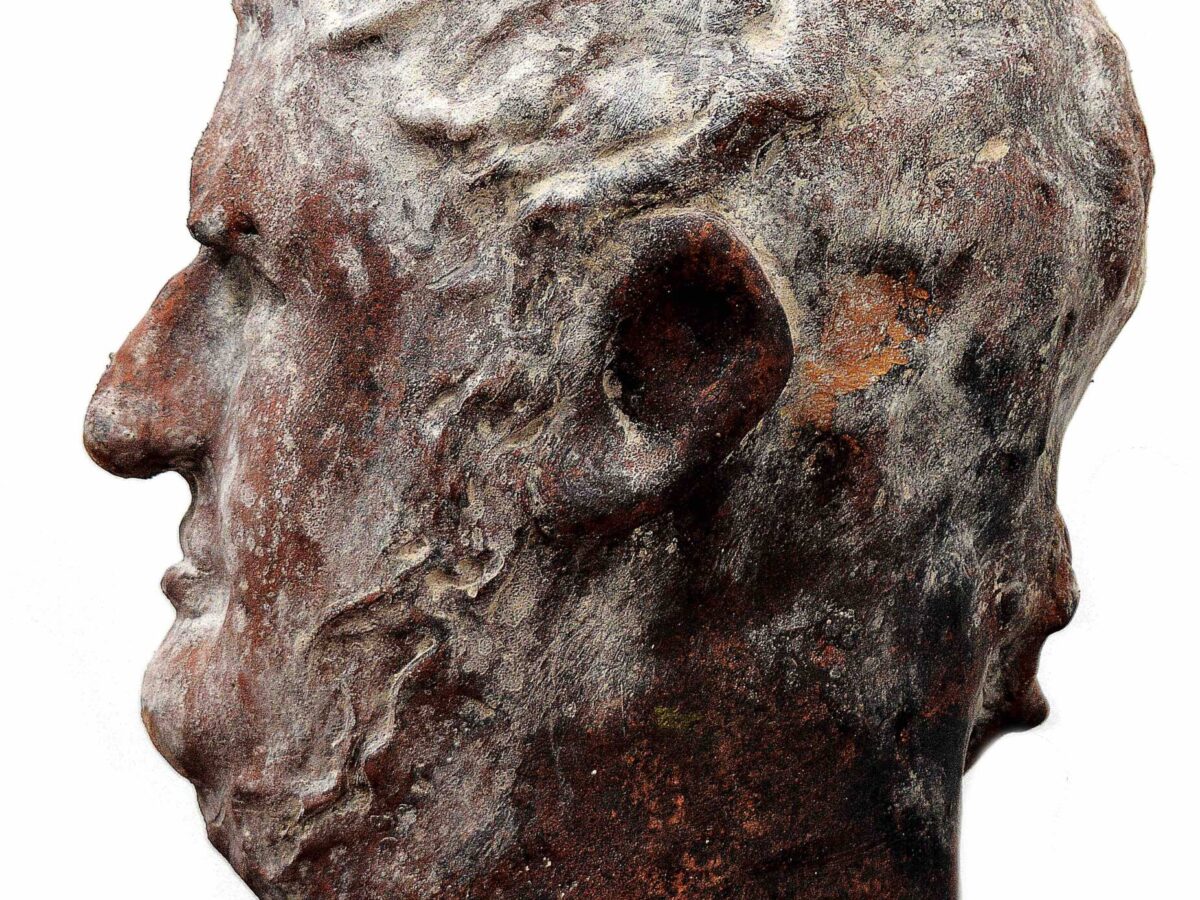
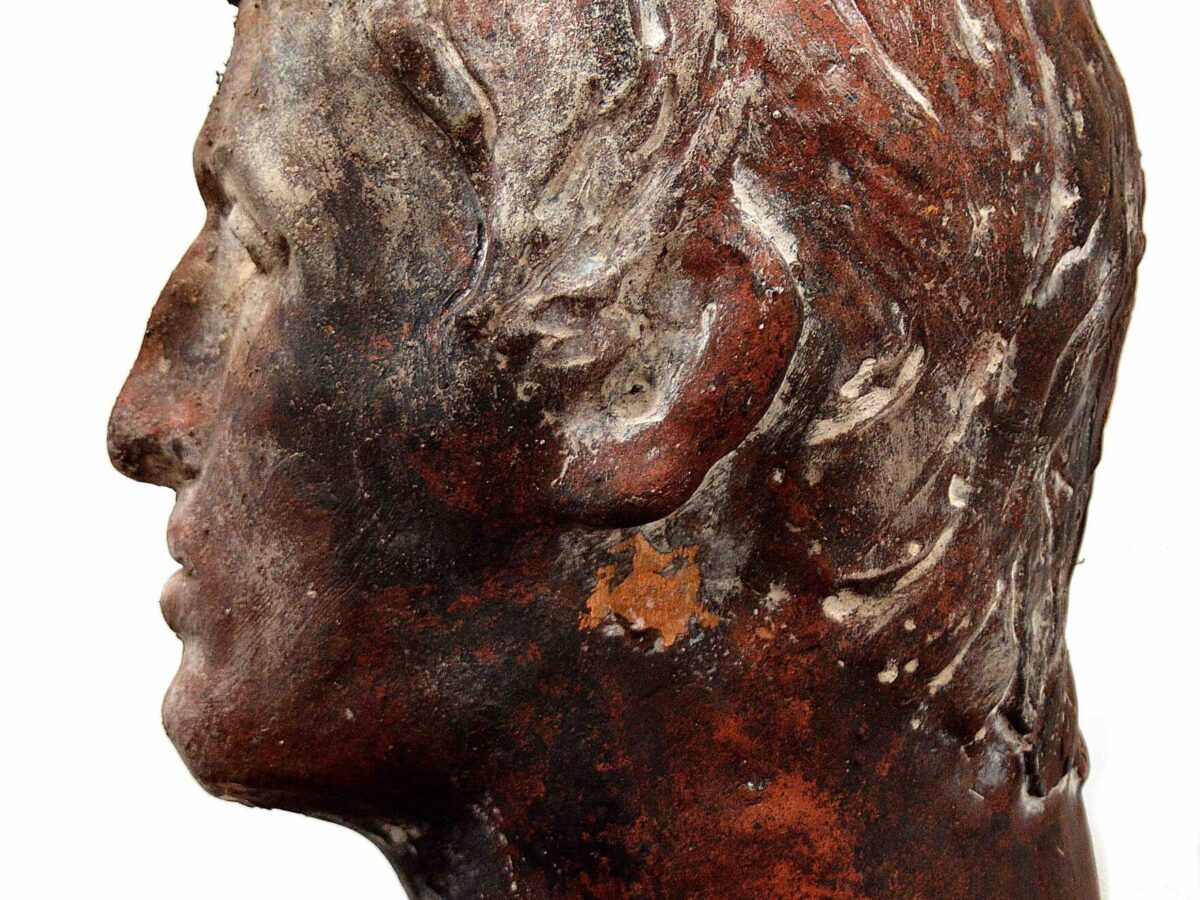
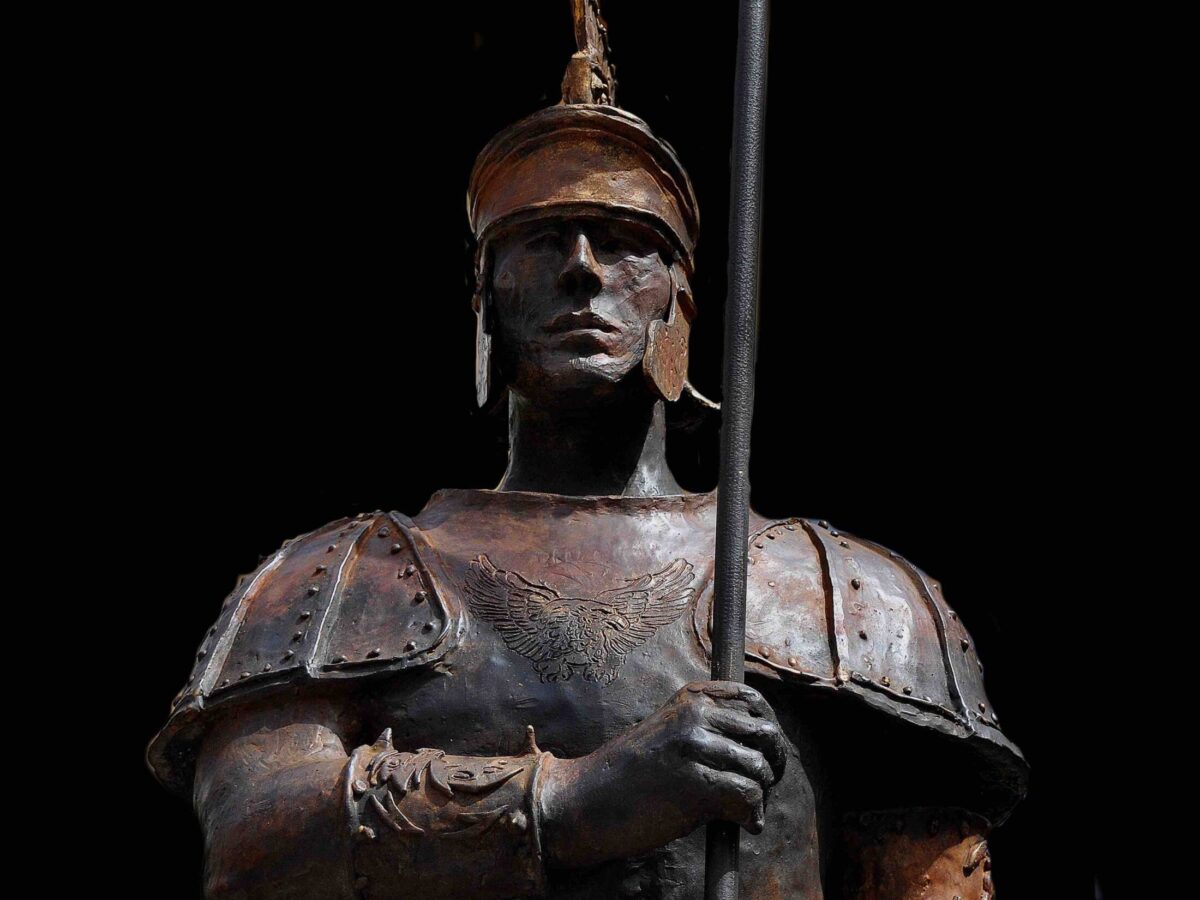
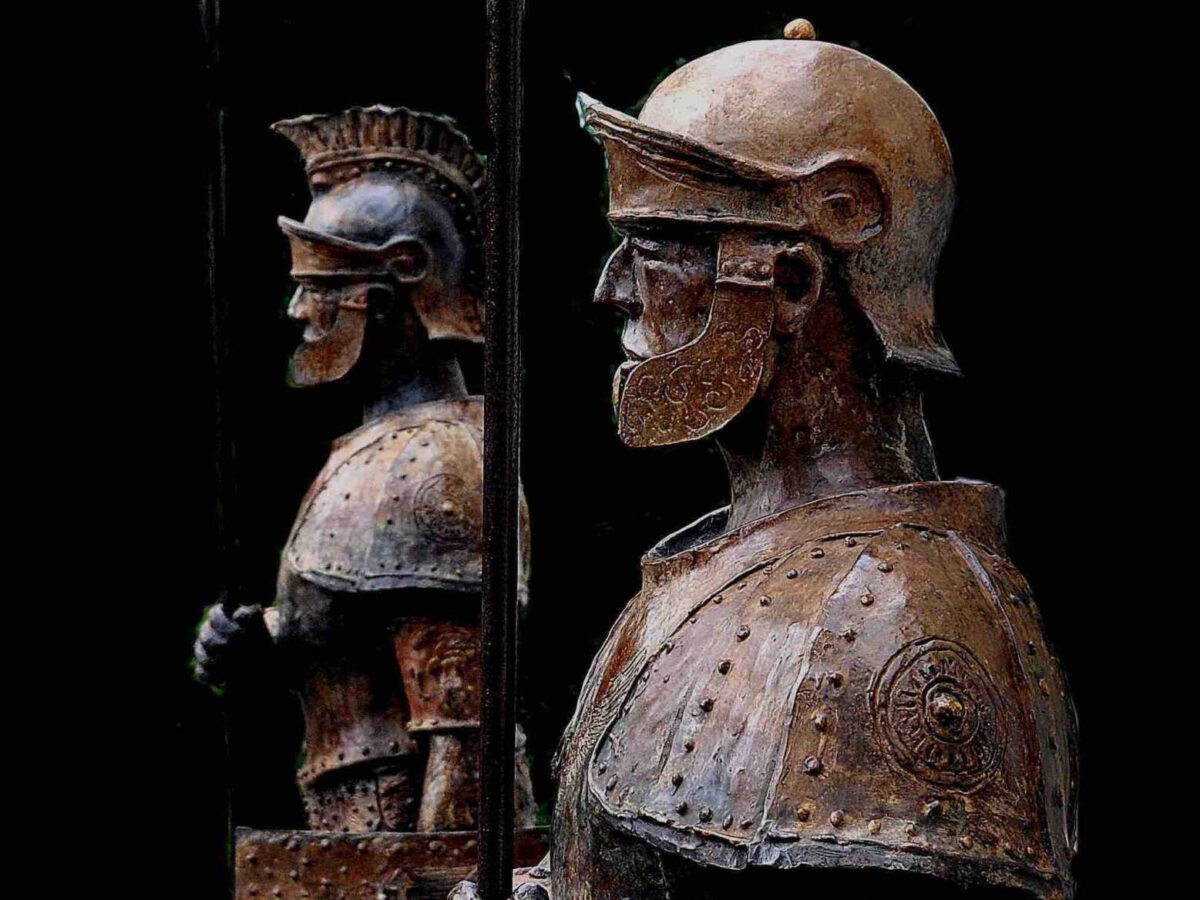
In marble the portraits are beautiful, but bronze allows you to make the faces even more expressive, with a nod to Rodin. That became my combination. Roman art is the spark that sets me in motion.
What was your first project with a Roman theme?
André Rieu, the world-famous violinist, is a good client of mine. During the coronavirus period he was at home and threw himself into his hobby: baking cakes. Once a year he also goes to Rome with his entire family. That was the starting point.
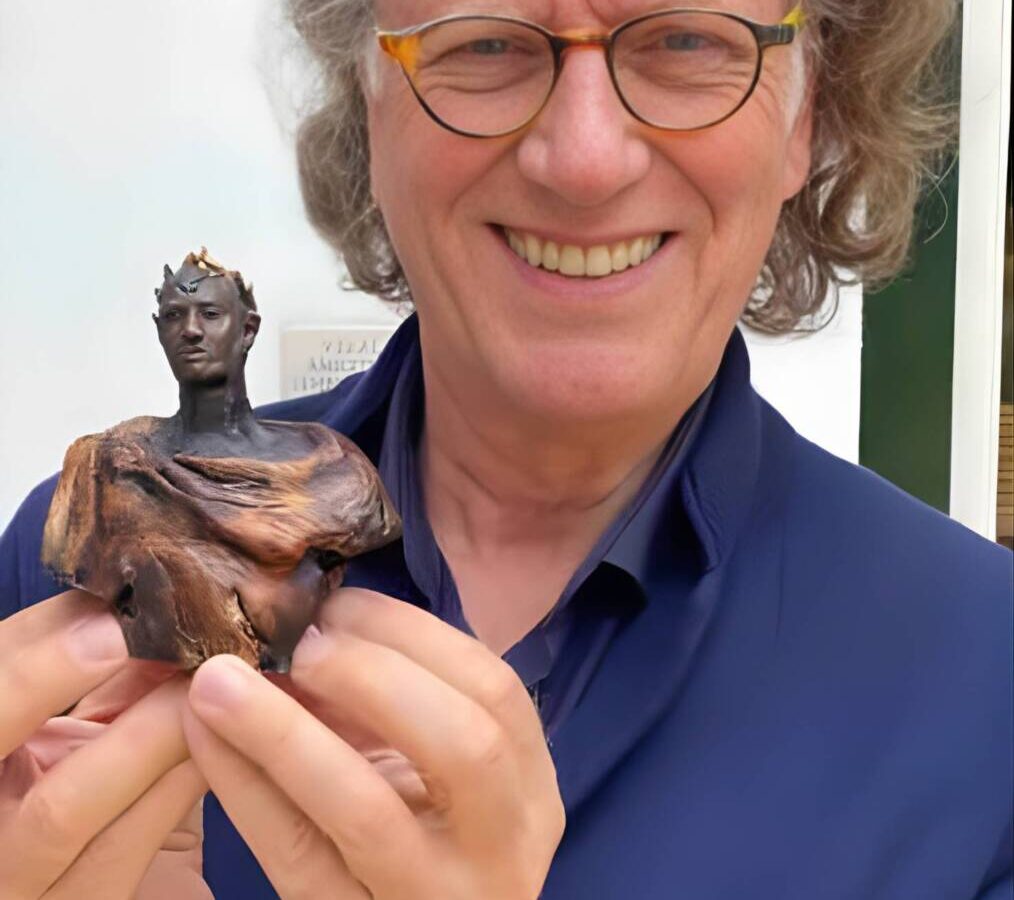
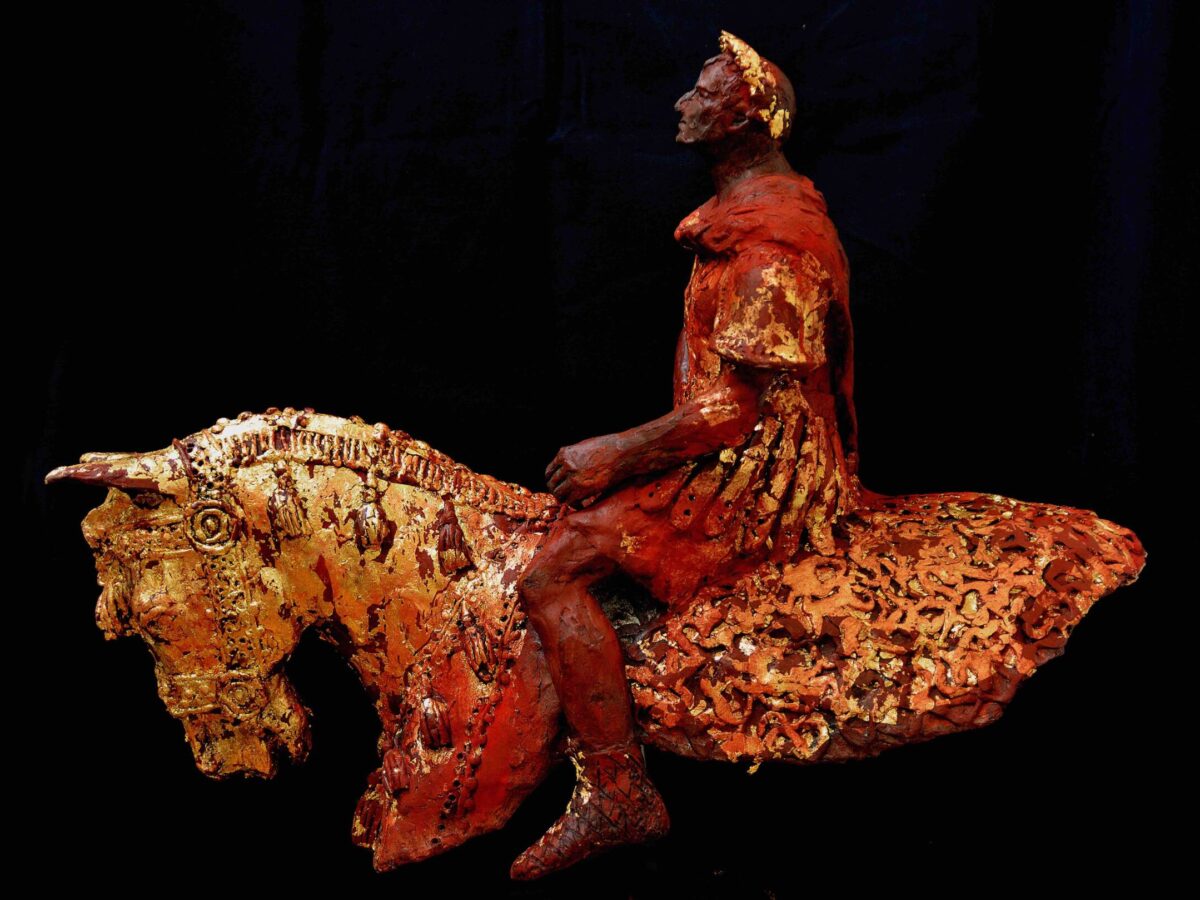
He made a cake decorated with the three colours of Italy in marzipan. Then he called me and said: “What I’m really missing is an emperor on my cake.” Well, I sculpted one for him and later cast it in bronze. It became an anonymous emperor who secretly looks a bit like Caesar 😉
And from there things continued?
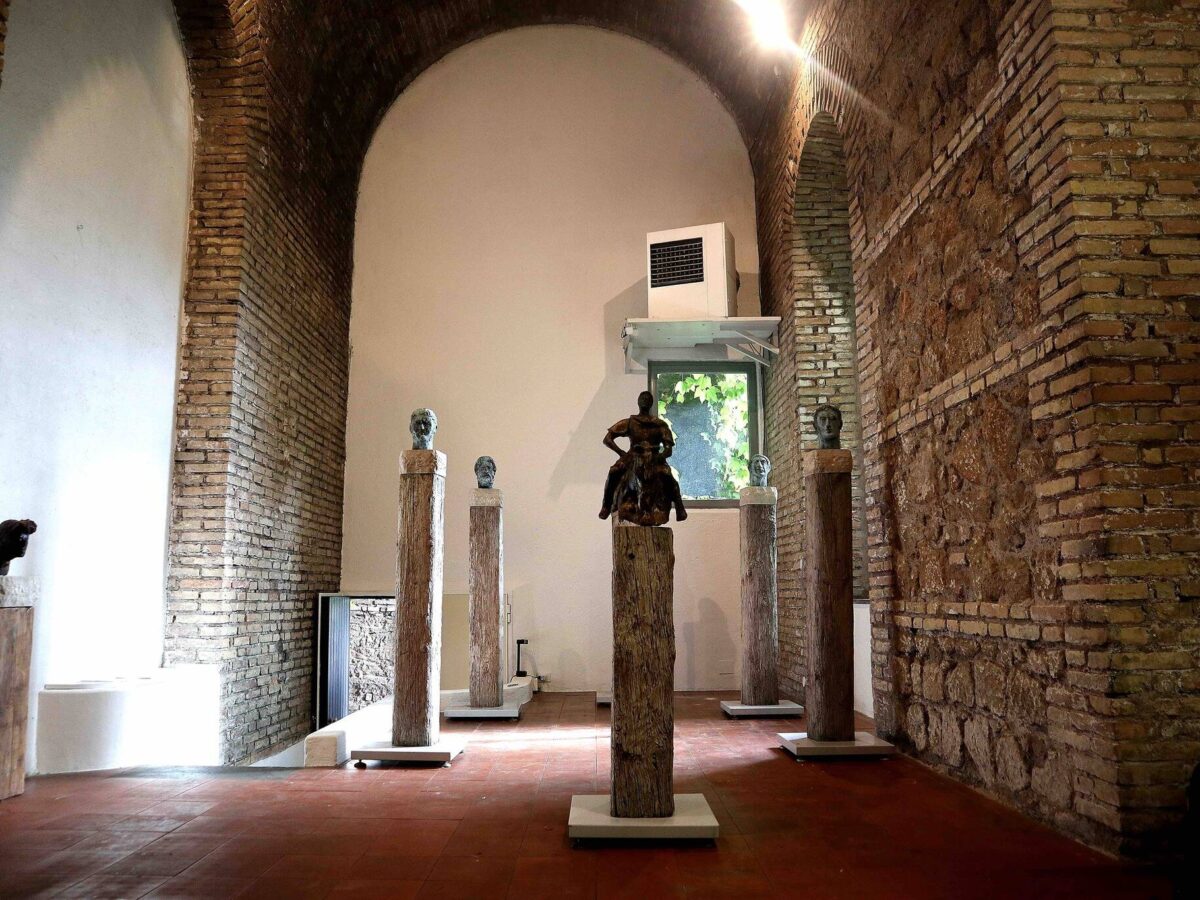
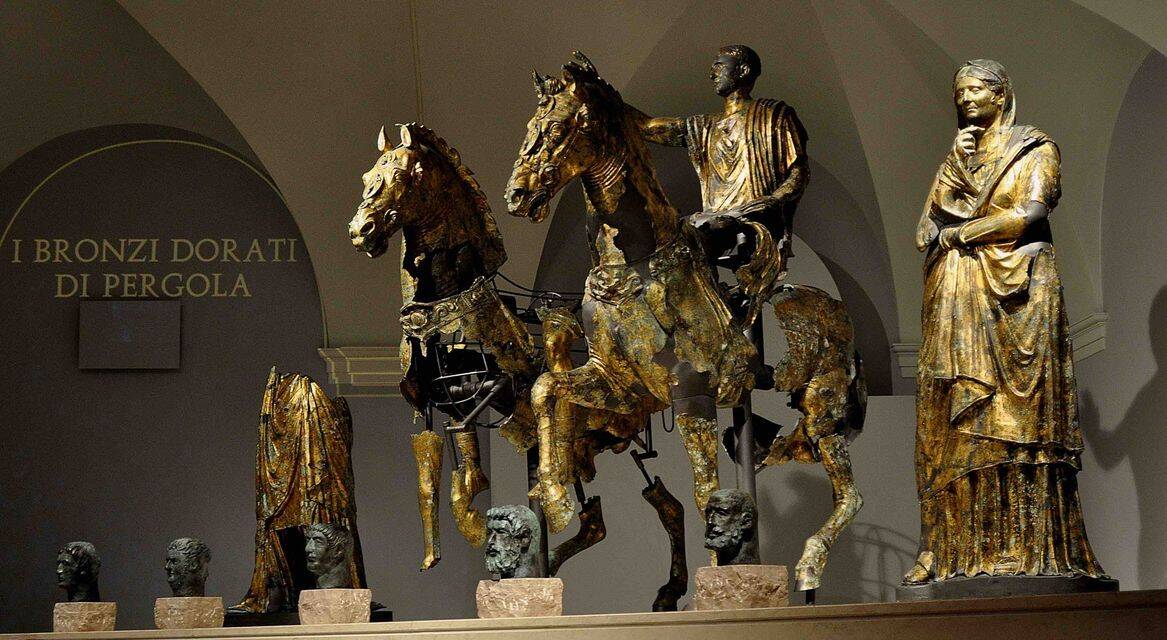
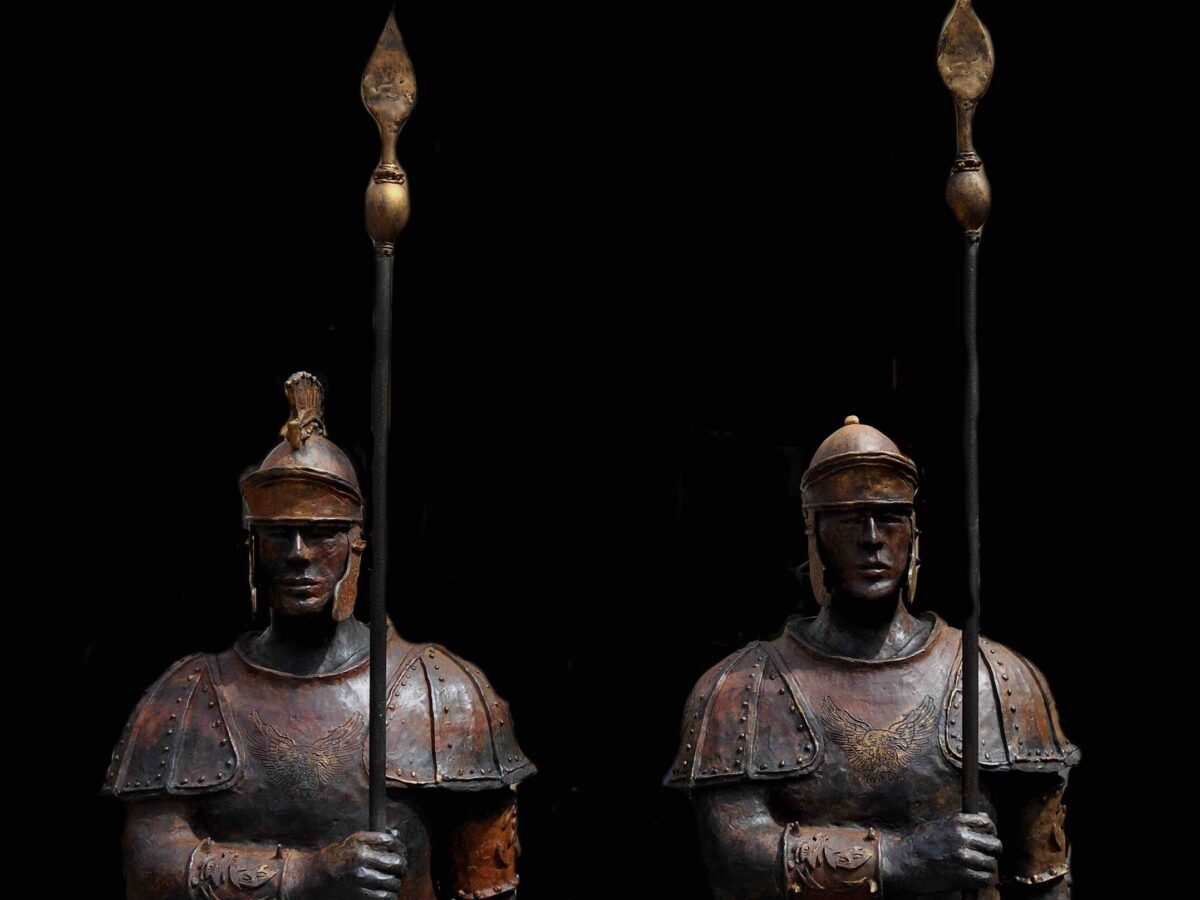
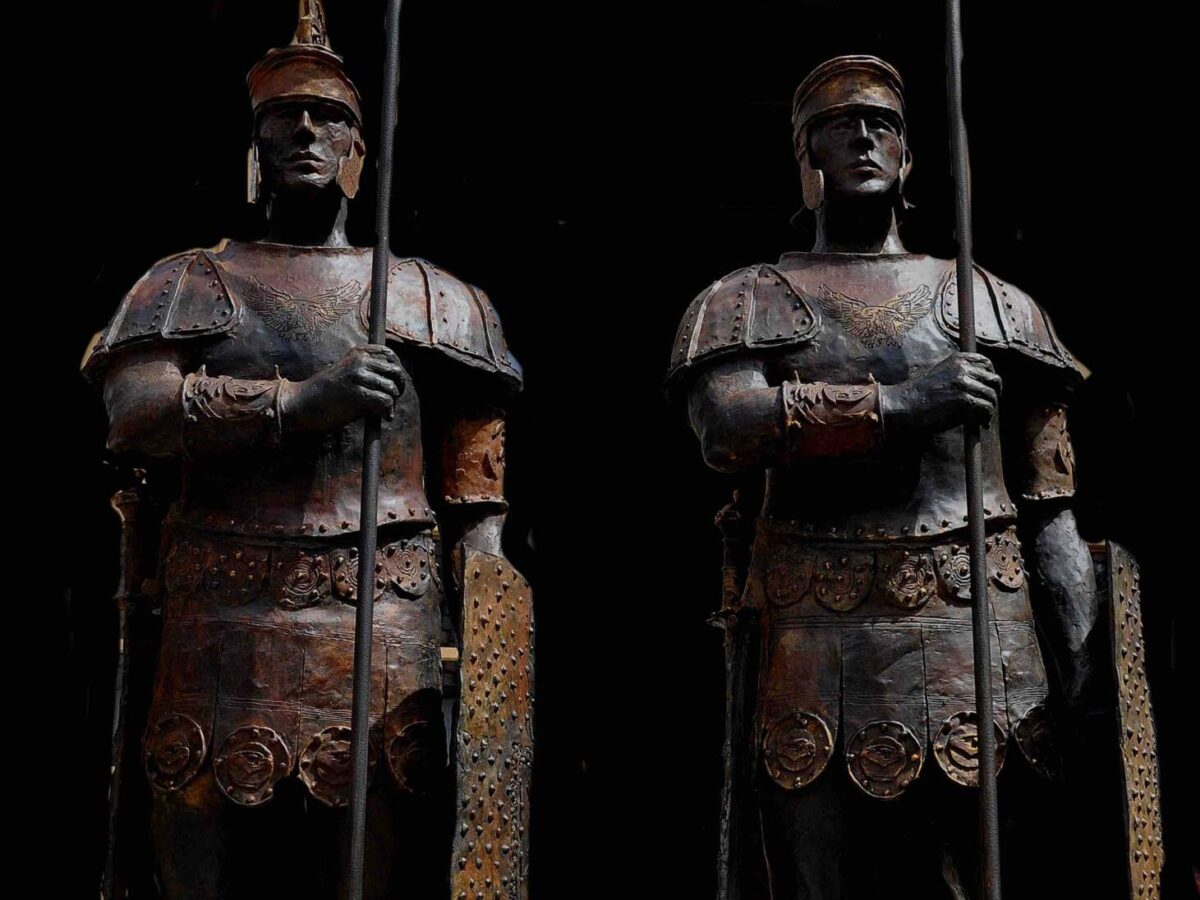
Yes, the next inspiration came from the sculpture group of the Dutch Royal Family by the artist Arthur Spronken and from the Bronzi Dorati in the museum in Pergola. That was when the idea began to grow to create a group of sculptures that belong together.
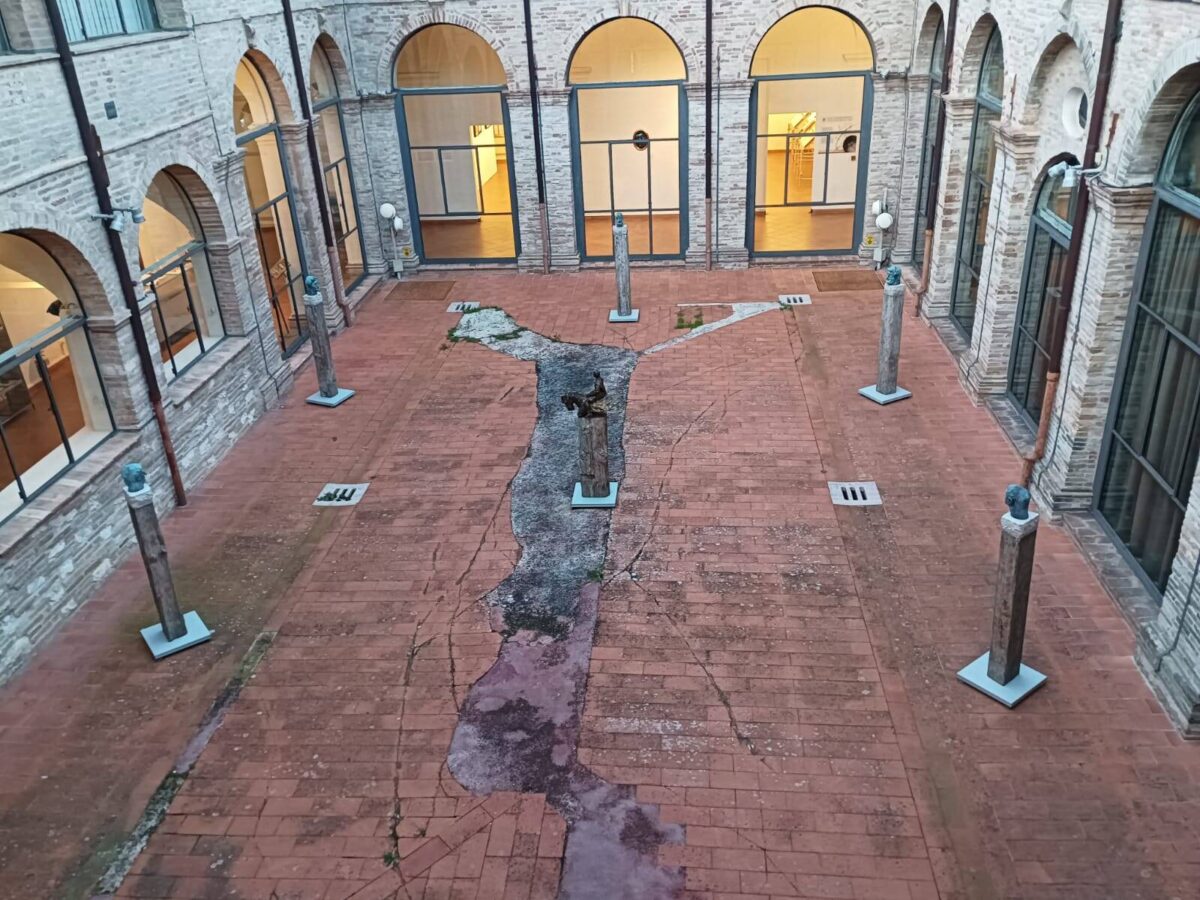
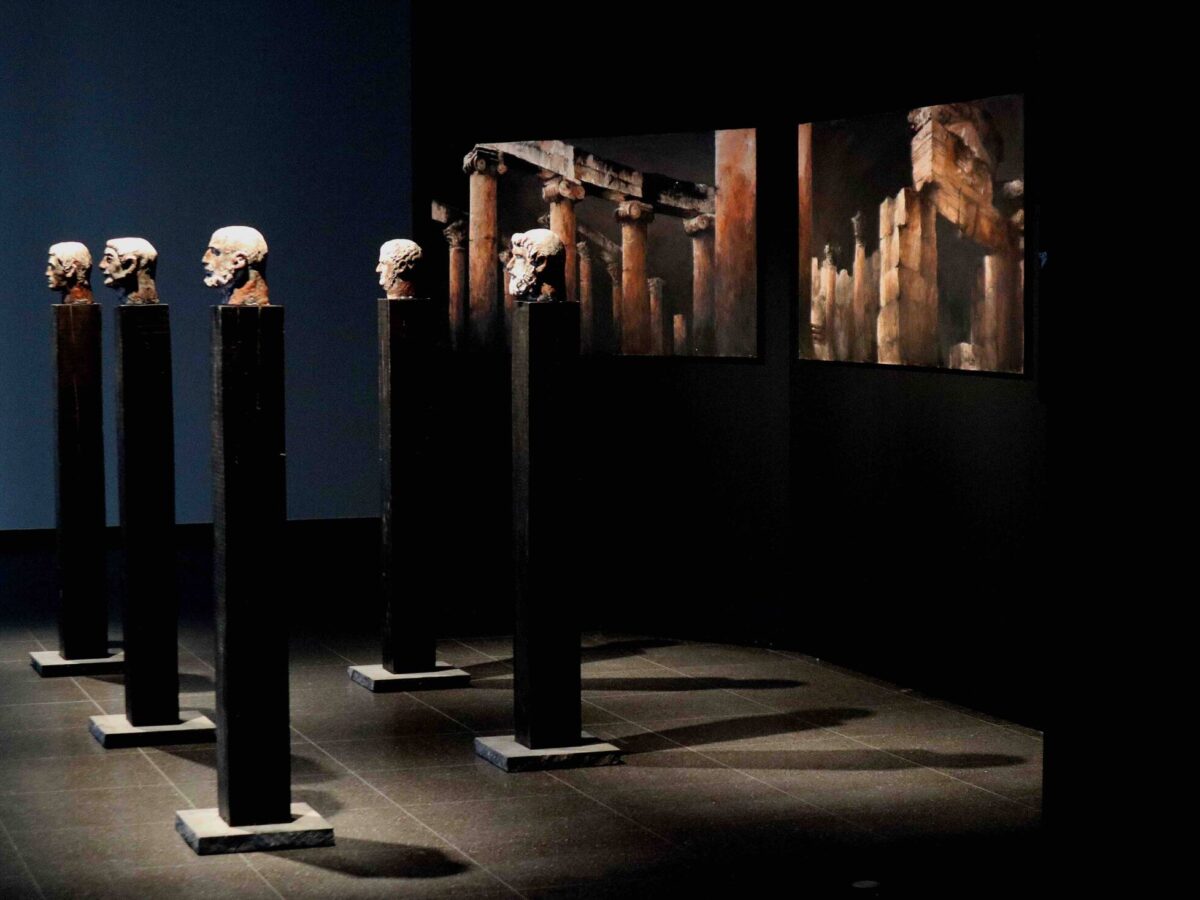
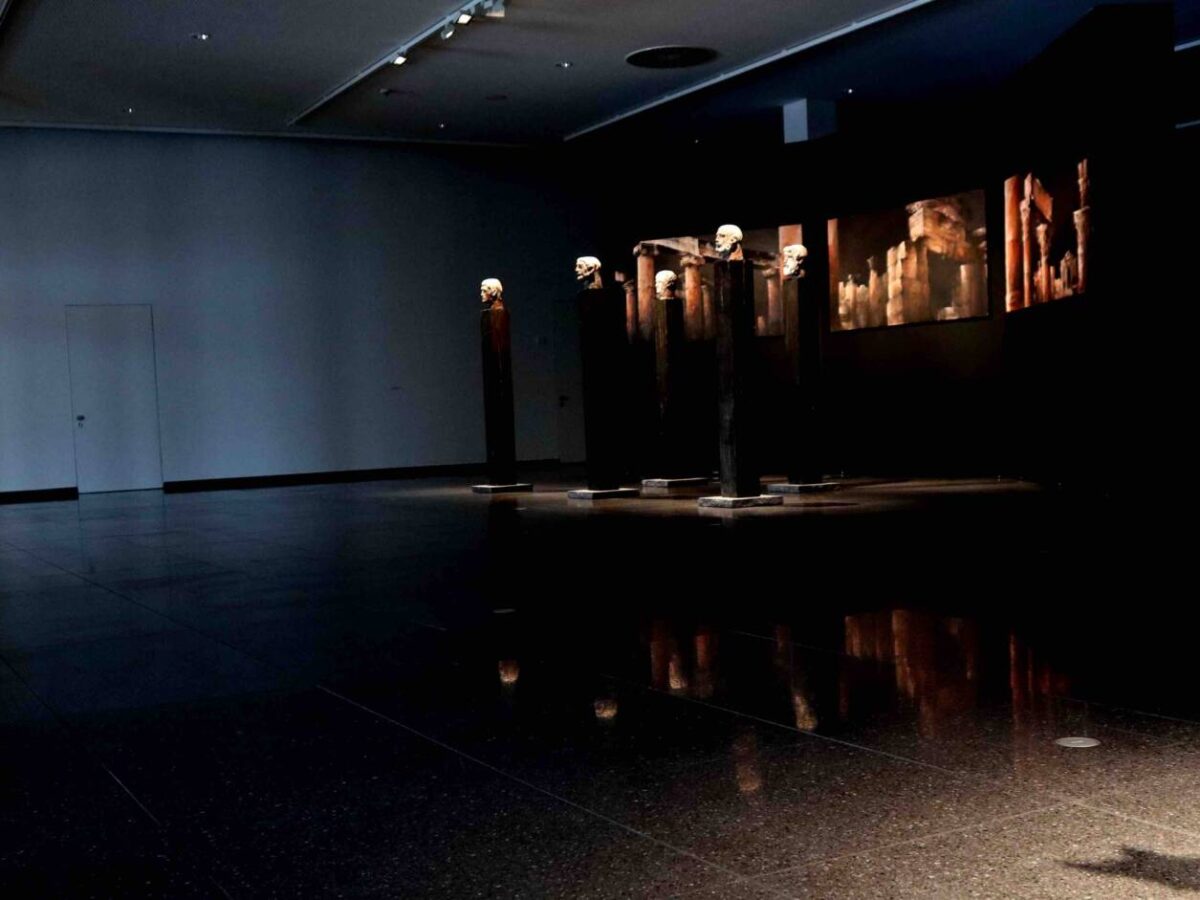
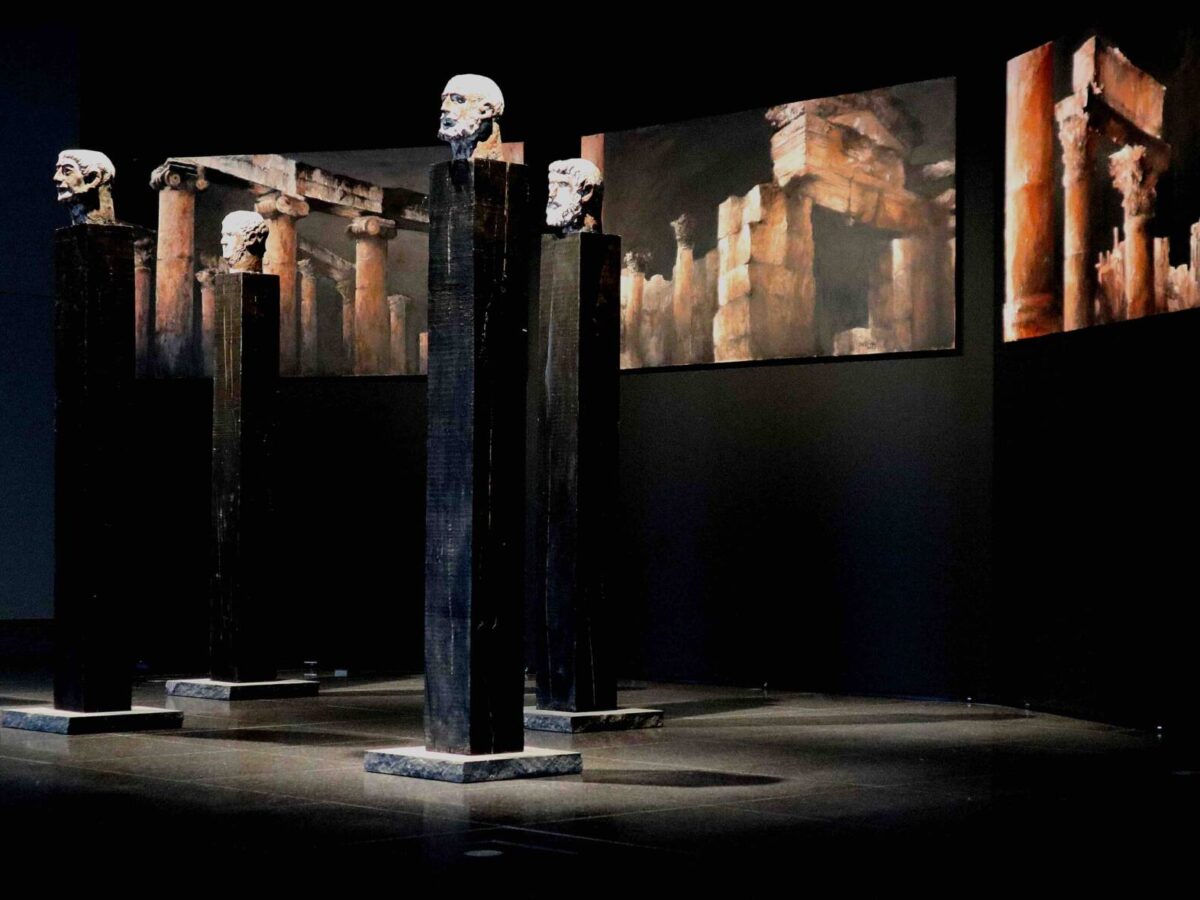
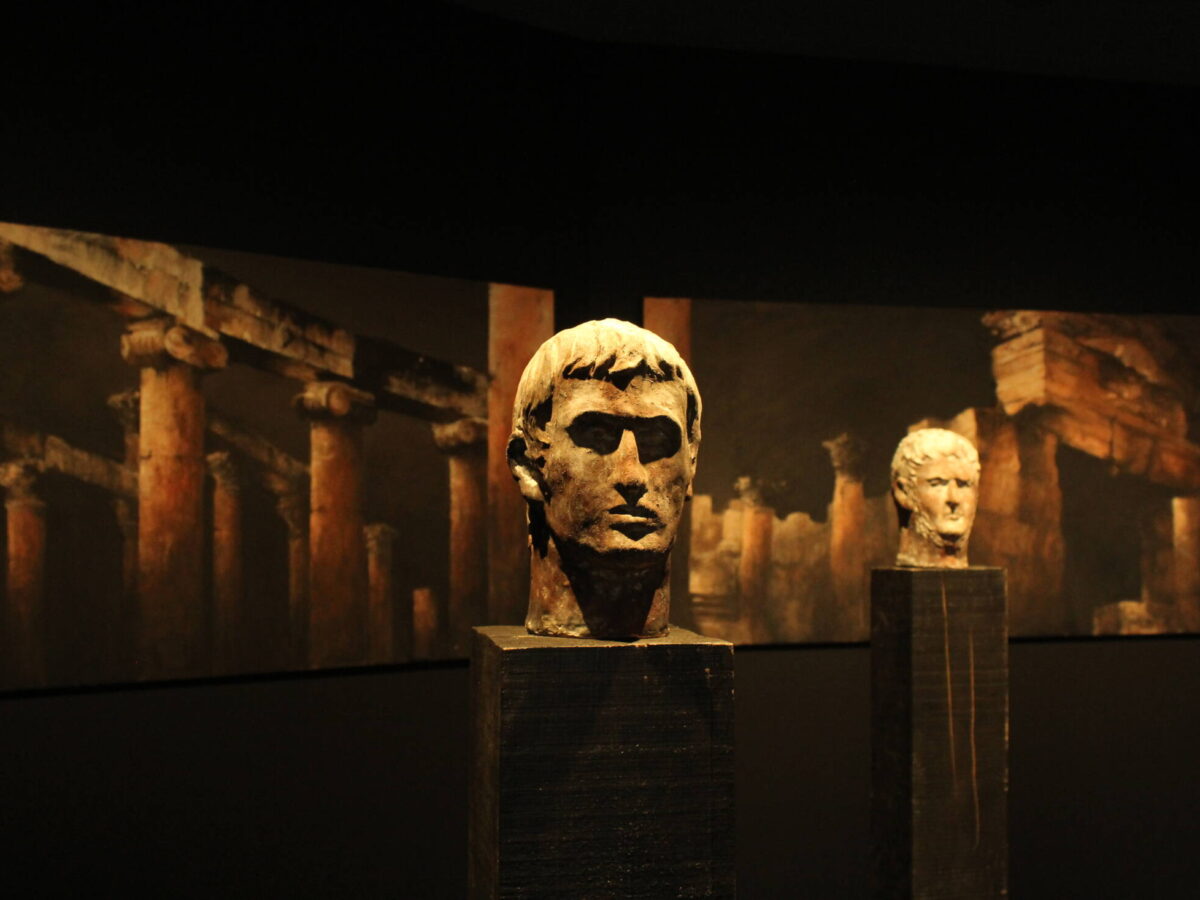
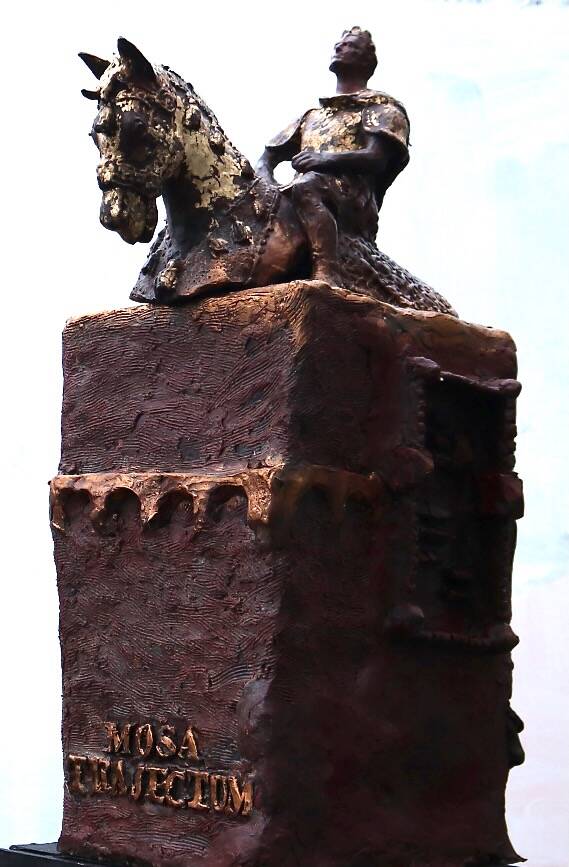
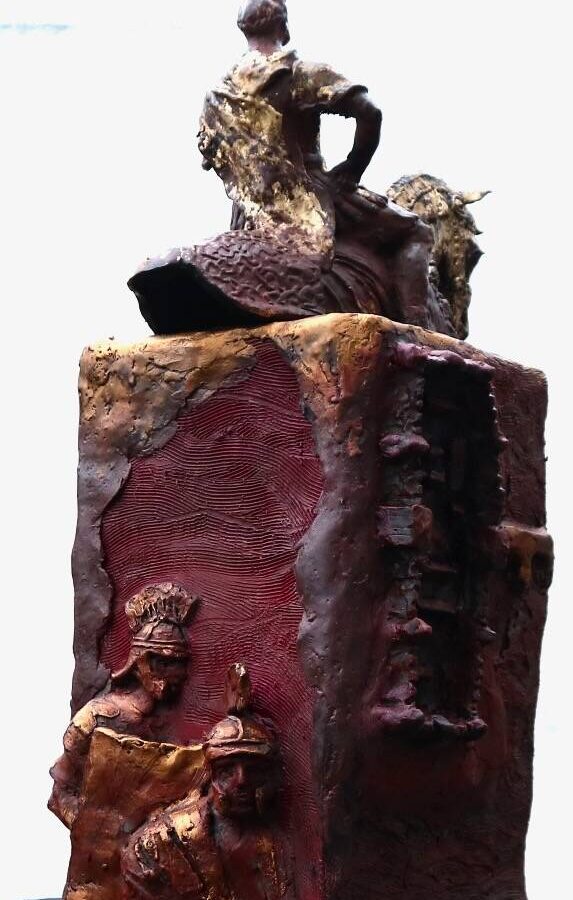
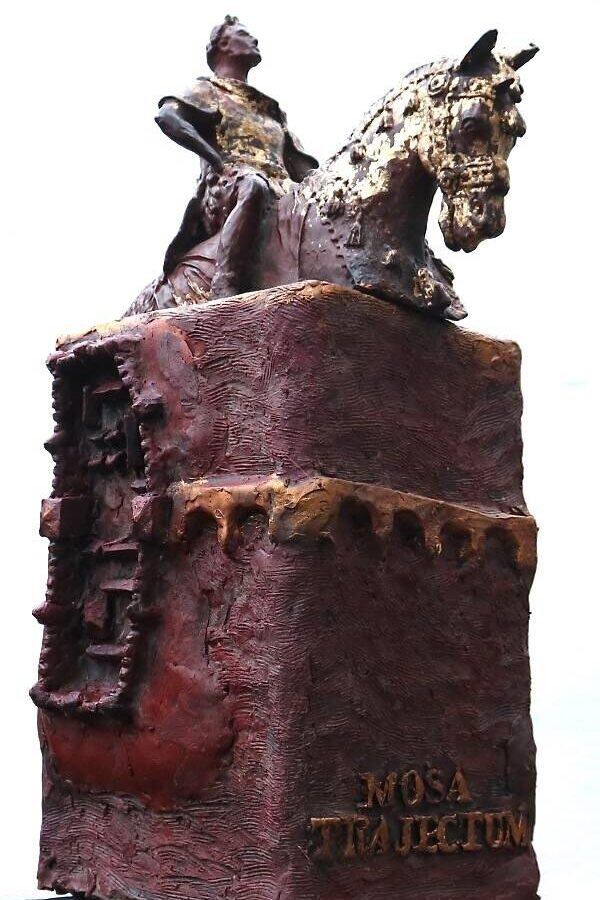
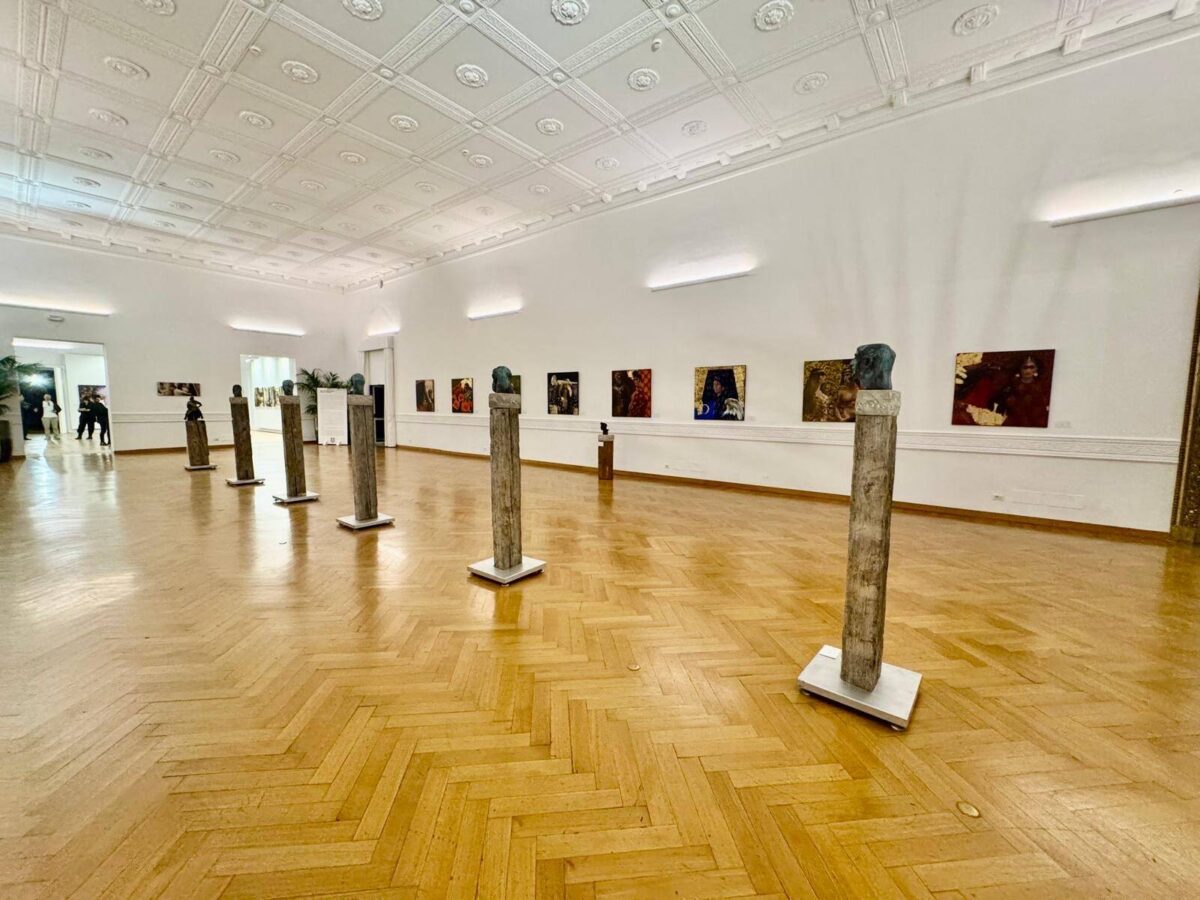
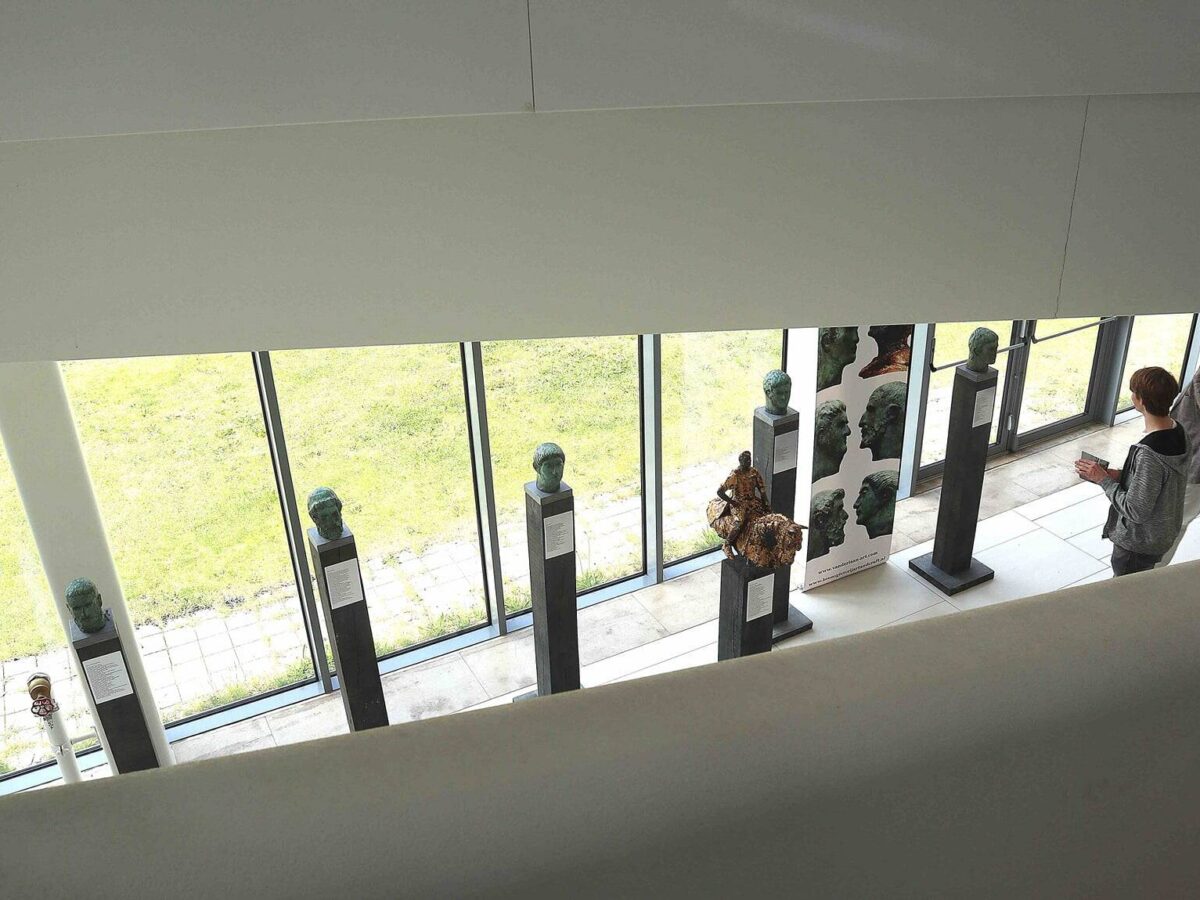
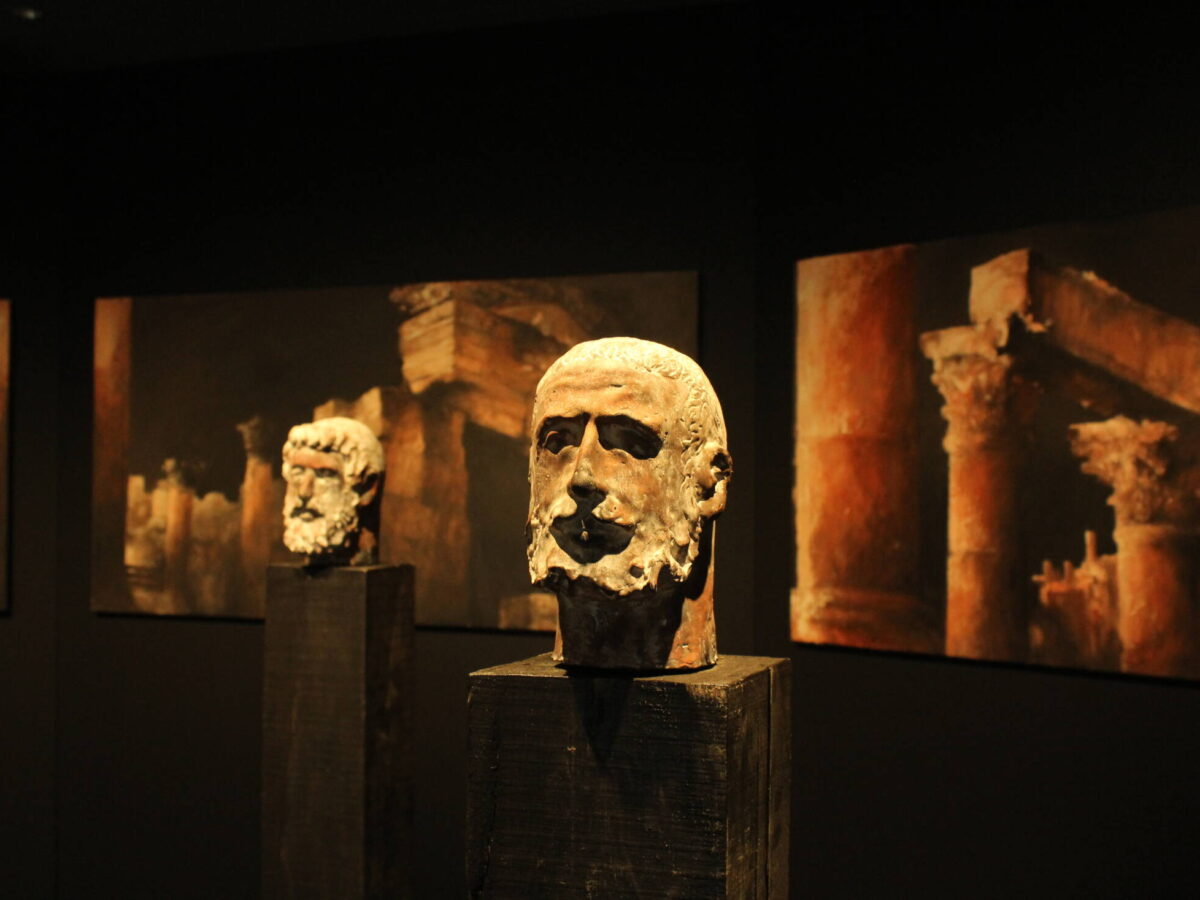
Spronken’s royal family group is cast in bronze, with only Beatrix gilded in gold leaf. I found that fantastic. That was the moment when the idea really started to develop. I selected five Roman emperors — Nero, Marcus Aurelius, Hadrian, Trajan and Augustus — each of whom achieved something remarkable.
The exception is Julius Caesar, who was never actually an emperor. That is why he was given a different form and finished with gold leaf.
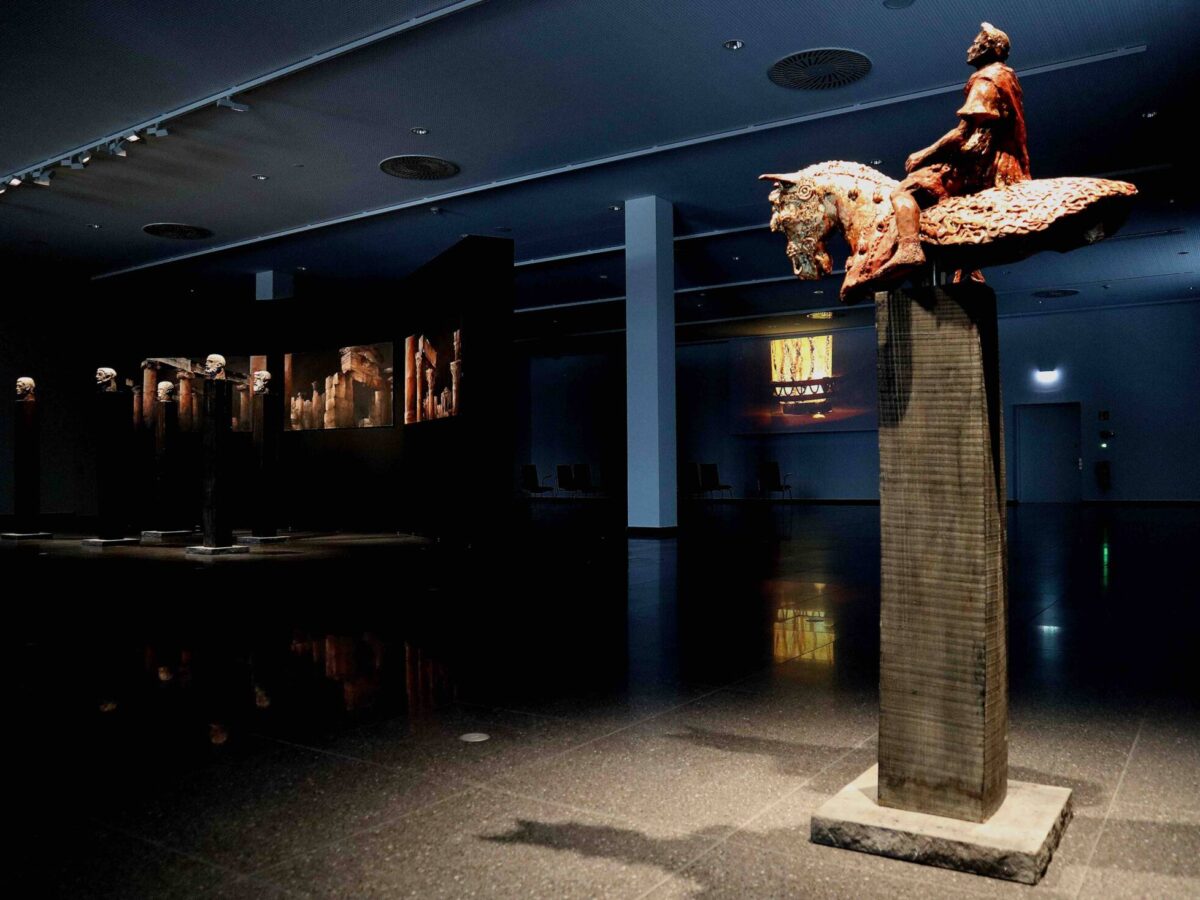
Wijnand Luttikholt, a Dutchman who runs a B&B in Pergola and is actively involved in the local cultural scene, made it possible for me to exhibit my sculpture group in the museum there. Through his contacts with politicians, the next step towards Rome was taken.
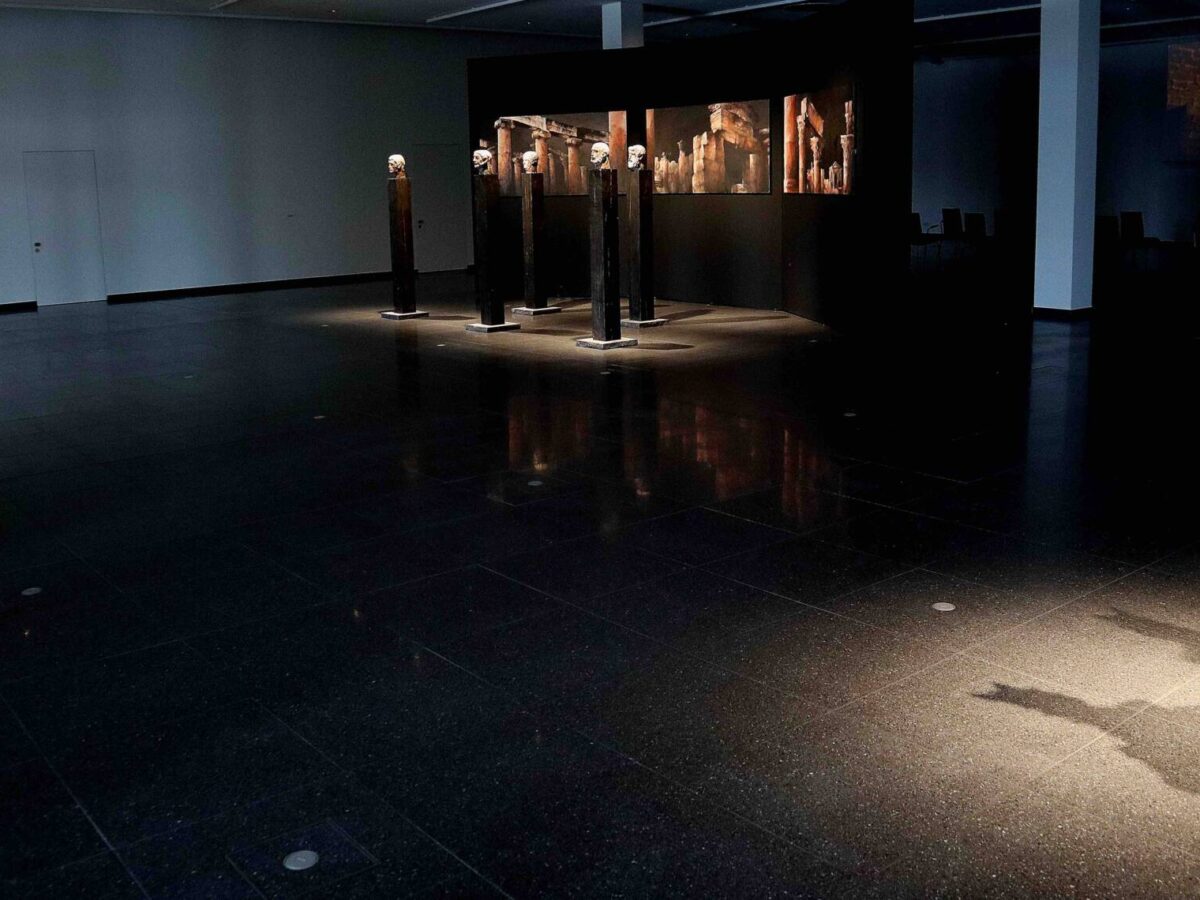
The sculptures travelled from Palazzo Chigi in Formello to an exhibition space near the Scala Sancta, where the Pope has his private prayer chapel. From there, the journey culminated in a major project at Palazzo Brancaccio in Rome.
An equally impressive presentation took place in the renewed Roman Museum in Xanten, where the sculptures shone in the museum’s new wing.
My wish is to present my works in the Gallo-Roman Museum in Tongeren and/or in the Roman Museum in Heerlen. And of course, to realise a bronze sculpture with a Roman theme in Maastricht.
Are your sculptures unique, or can anyone purchase them? And how does that work?
For works that are not commissioned, I decide on the possibilities for sale myself. All bronze sculptures are produced in limited editions. Smaller or larger versions can also be made.
The project on Raadhuisplein was a wonderful extra in 2026?
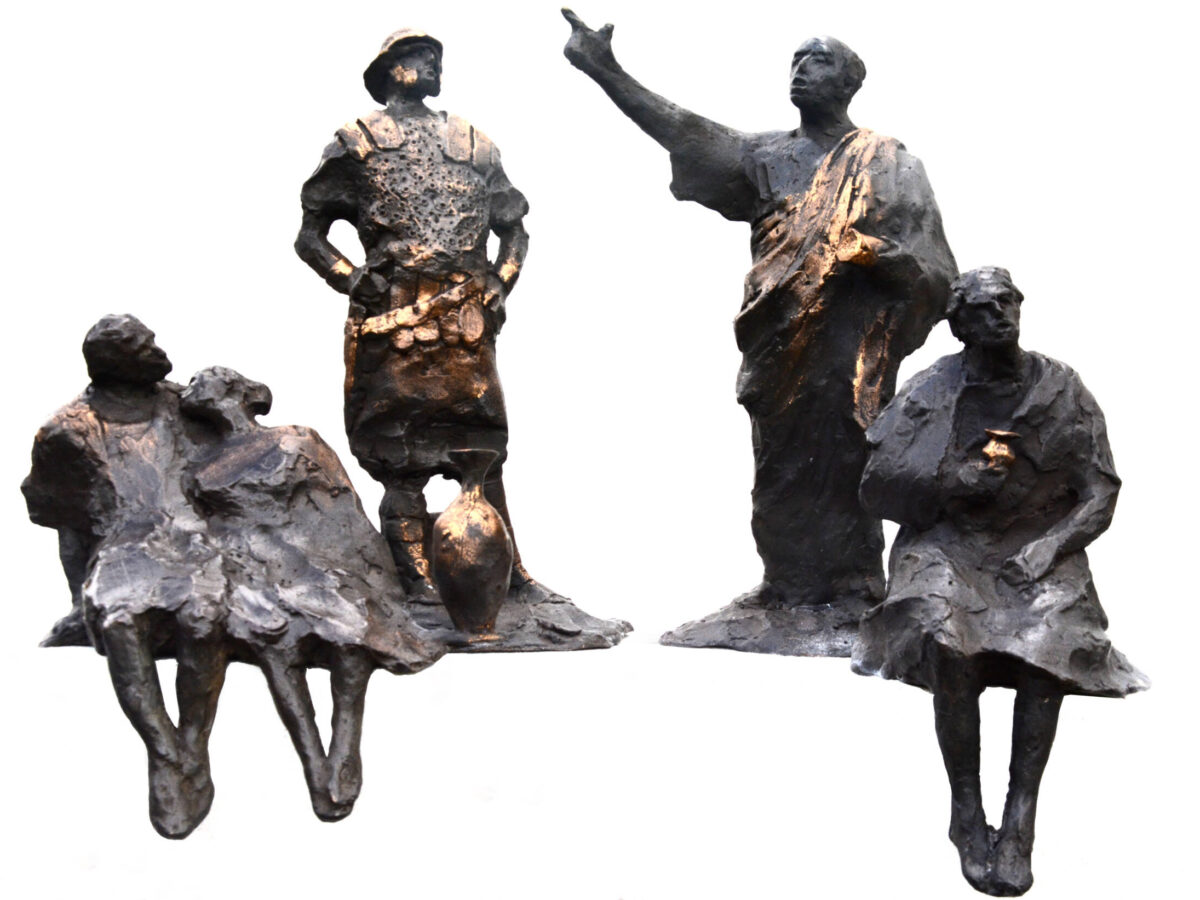
It was a fantastic project that began in 2024 during a Via Belgica bus trip through the Euregio. I became inspired and struck up a conversation with deputy Kuntzelaers. Roman heritage is truly embraced in South Limburg, and I wanted to contribute to that.
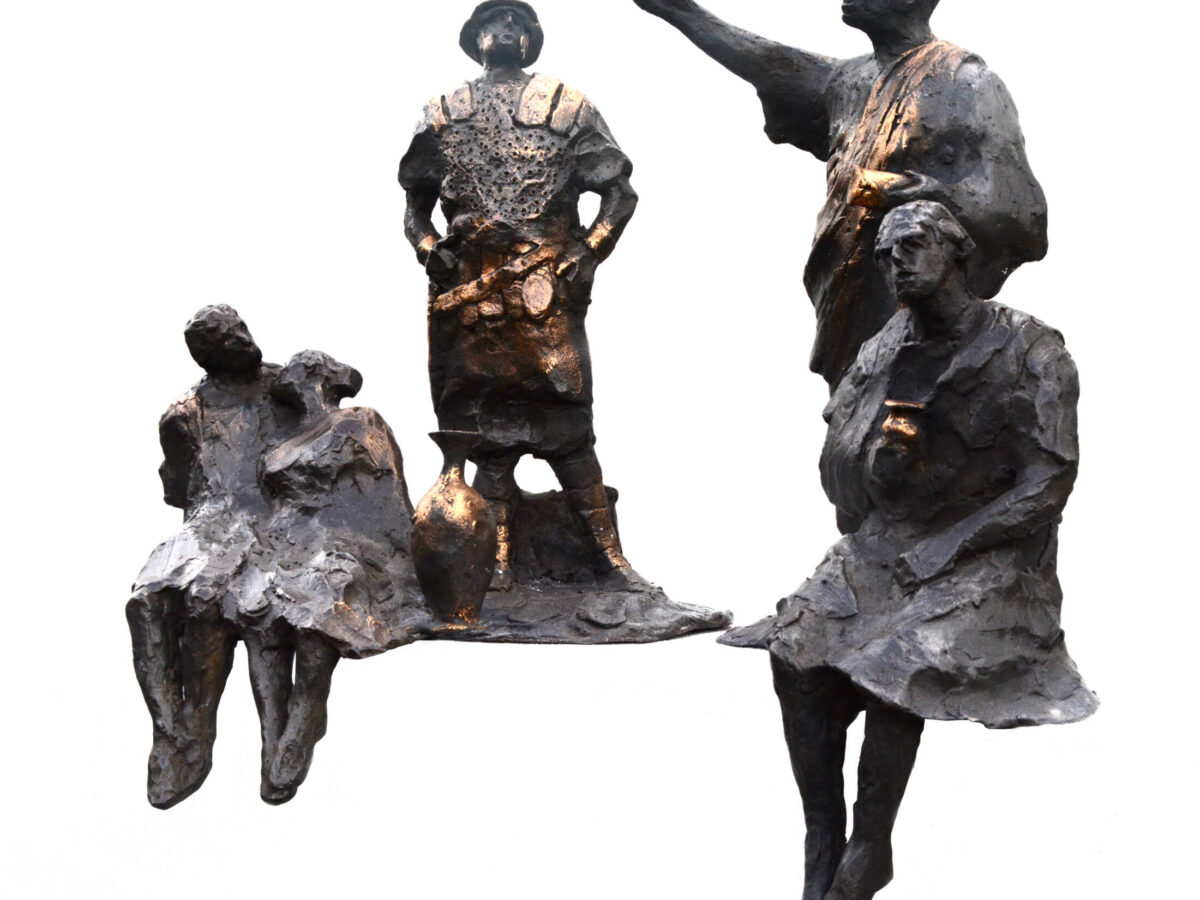
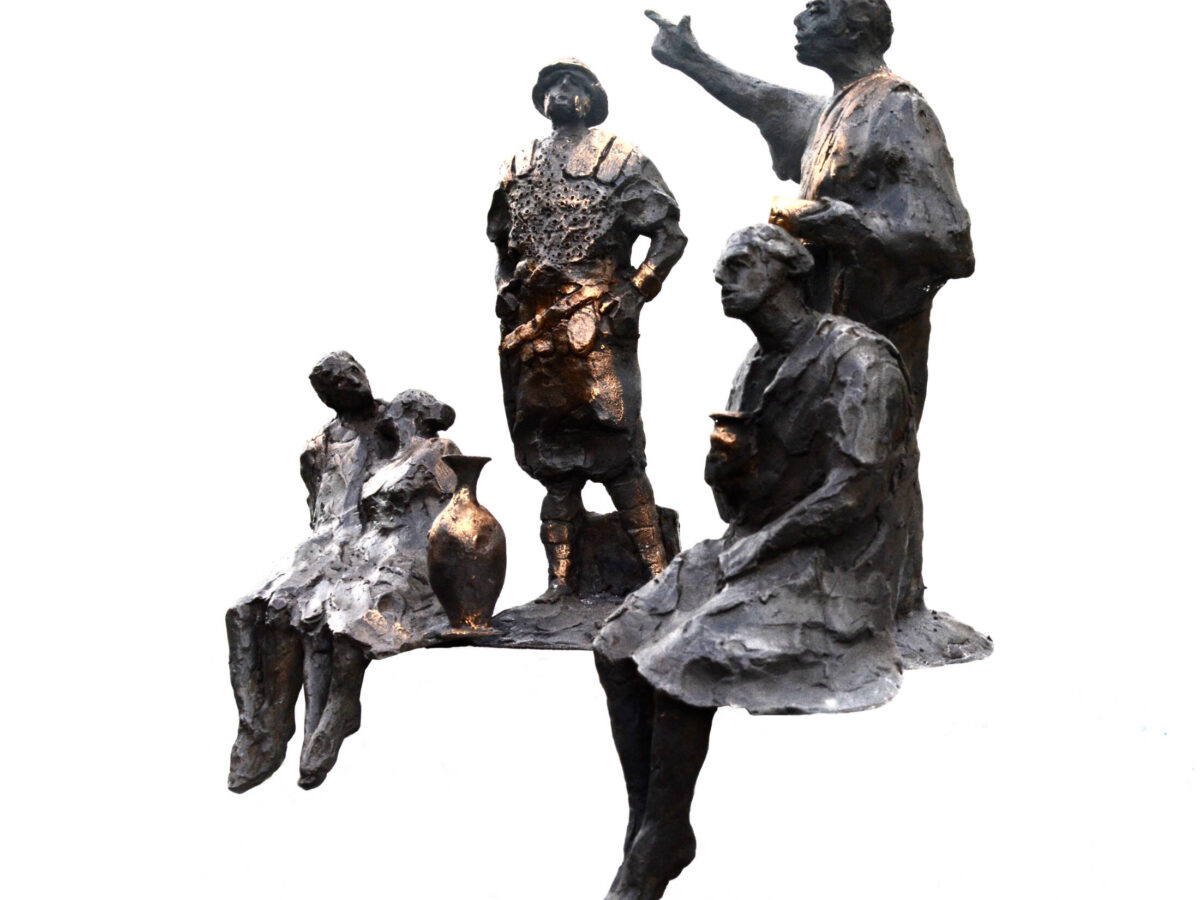
In 2025 my opportunity arrived. The municipality of Heerlen commissioned me to create a work for Raadhuisplein. This resulted in five figures, inspired by the rich past of the municipality of Heerlen: Lucius the potter and his beloved Amaka, a doctor, the soldier Flaccus and the politician Marcus Sattonius Iucundus.
You can find more information about these sculptures here.
Can the figurines also be purchased?
For that, I still need to consult with the municipality of Heerlen. A decision first has to be made on whether the sculptures may be cast again so they could be placed on your mantelpiece.
Would you like to have a unique sculpture designed inspired by the Roman past, or purchase an existing one? Then click here to visit Wil’s website or give him a call at: +31 6 222 766 80.