A slave provided the luxury of hot water in a Roman bathhouse
Author: Gemma Jansen en Harry Lindelauf
Photography: Museum Valkhof, Nijmegen/ Inge Davis, Centre Céramique, Maastricht/Het Romeins Museum, Heerlen/ Monetario del Museo Arqueológico Nacional de Madrid/Bernard Dautzenberg, Museum Zitadelle Jülich
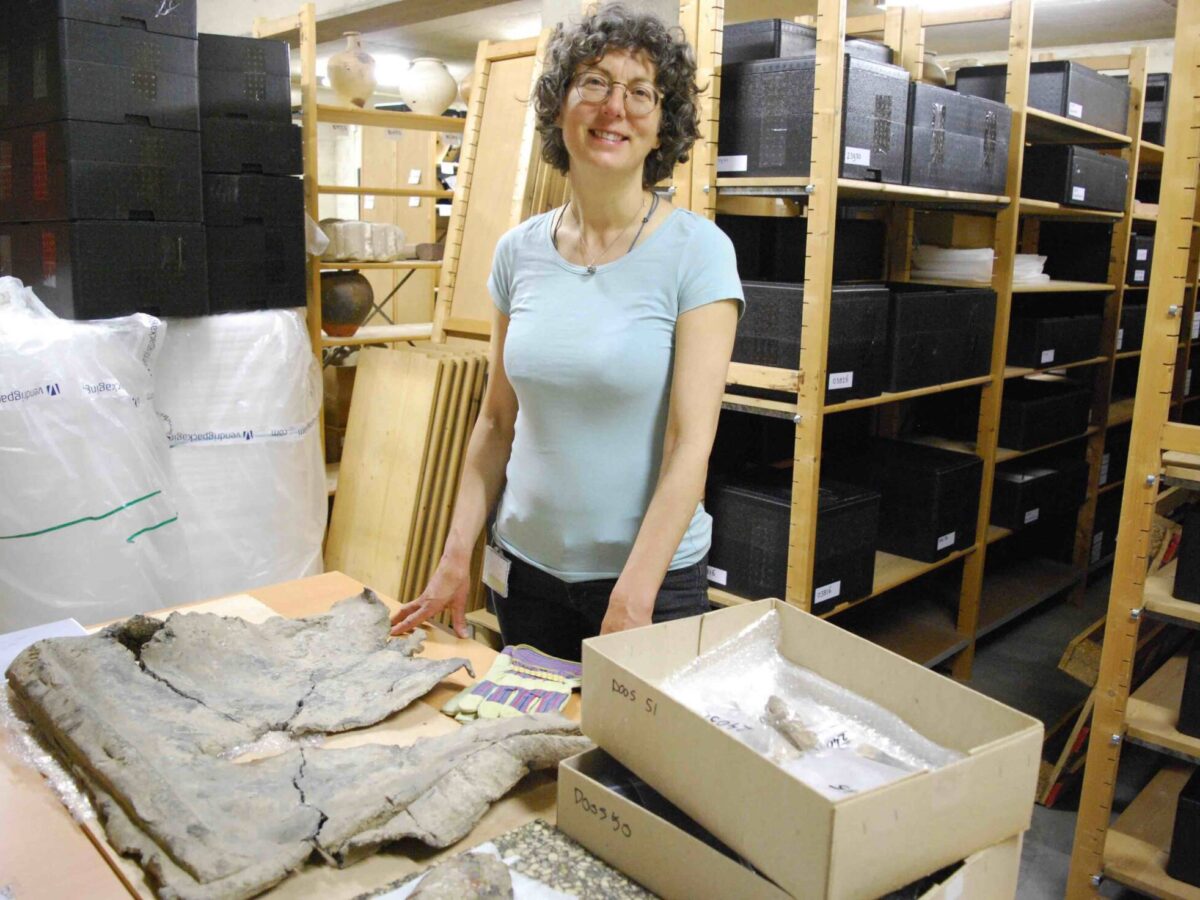
Maastricht had one, and Heerlen will soon preserve its remains in a brand-new museum: a public Roman bathhouse. Roman villas also had bathhouses for their owners. But all that luxury depended on the person who provided the essential heat: the stoker
The Romans conquered the region and stayed. They introduced a new phenomenon: stone houses with hot-air heating and bathhouses with warm water.
Public bathhouses like those in Maastricht, Heerlen, Aachen, and Tongeren consisted of several interconnected rooms, with both cold and hot baths.
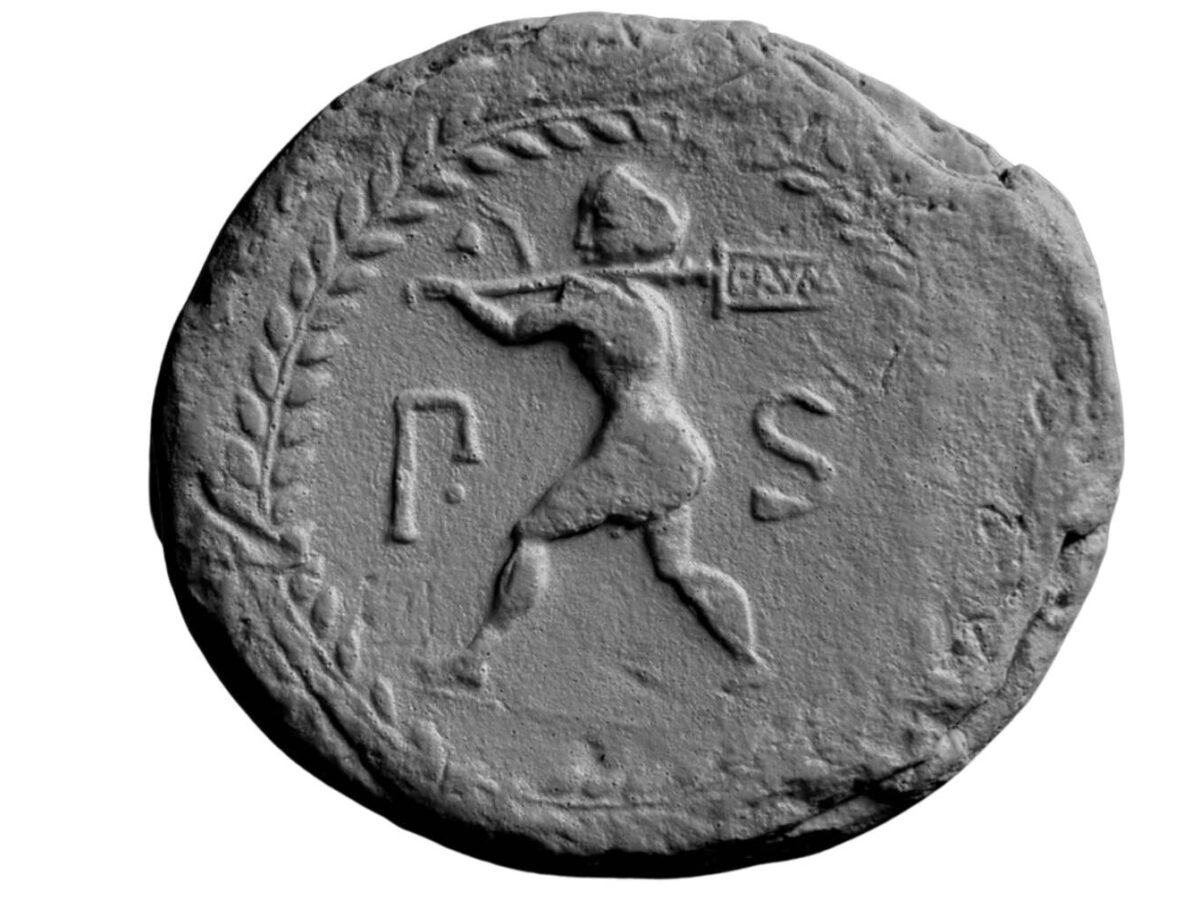
Photo: Lead token of a stoker with cap, fire shovel and bell (Monetario del Museo Arqueológico Nacional de Madrid, inv. no. 1867/7, photo Clive Stannard)
The heat for the rooms and the hot water came from a wood fire in the furnace room. The rooms were heated by smoke gases and hot air that were led under the floors and through the walls via hollow ceramic blocks. This indirect heating is still considered very pleasant and beneficial today.
Photo: Museum ‘Zitadelle’ Jülich, lead boiler base (photo Bernard Dautzenberg, courtesy of Museum ‘Zitadelle’ Jülich)
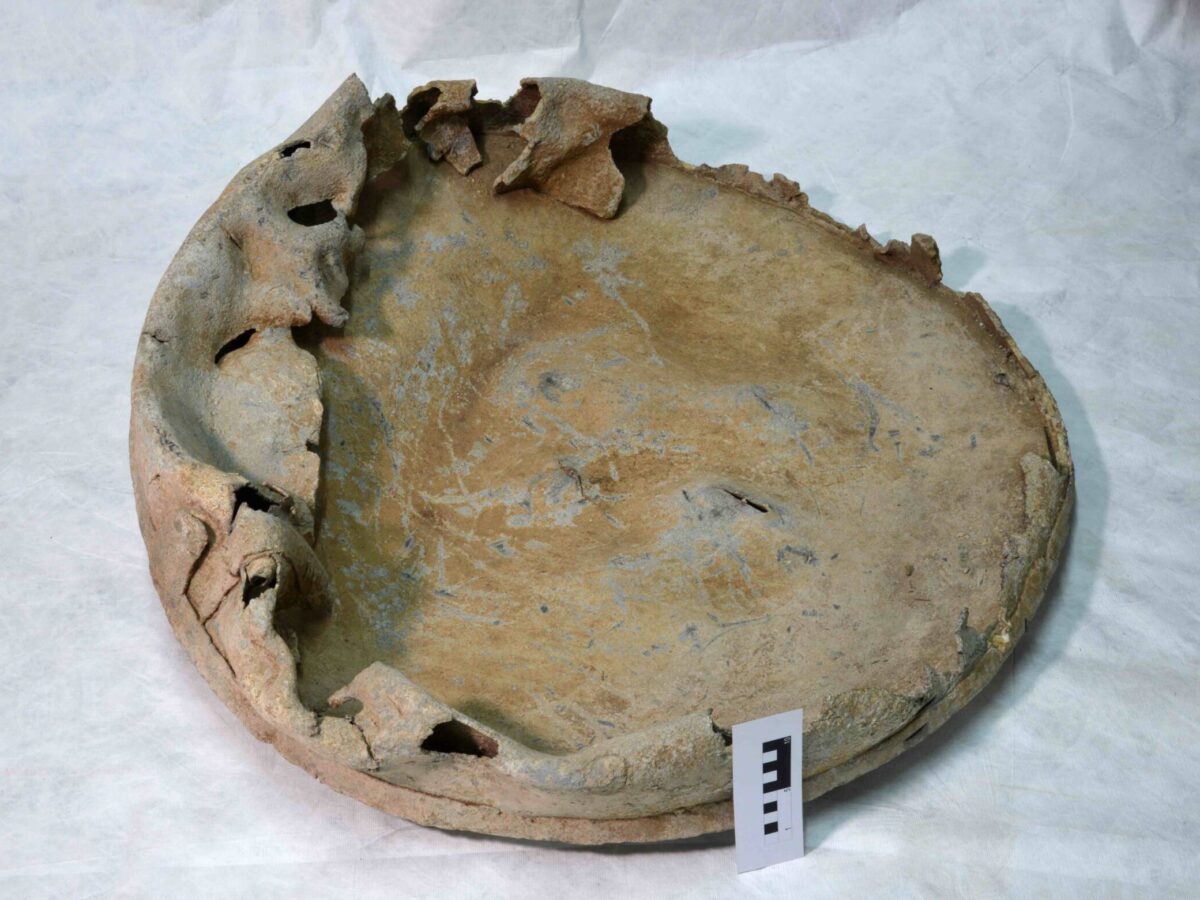
Ingenious system for hot water
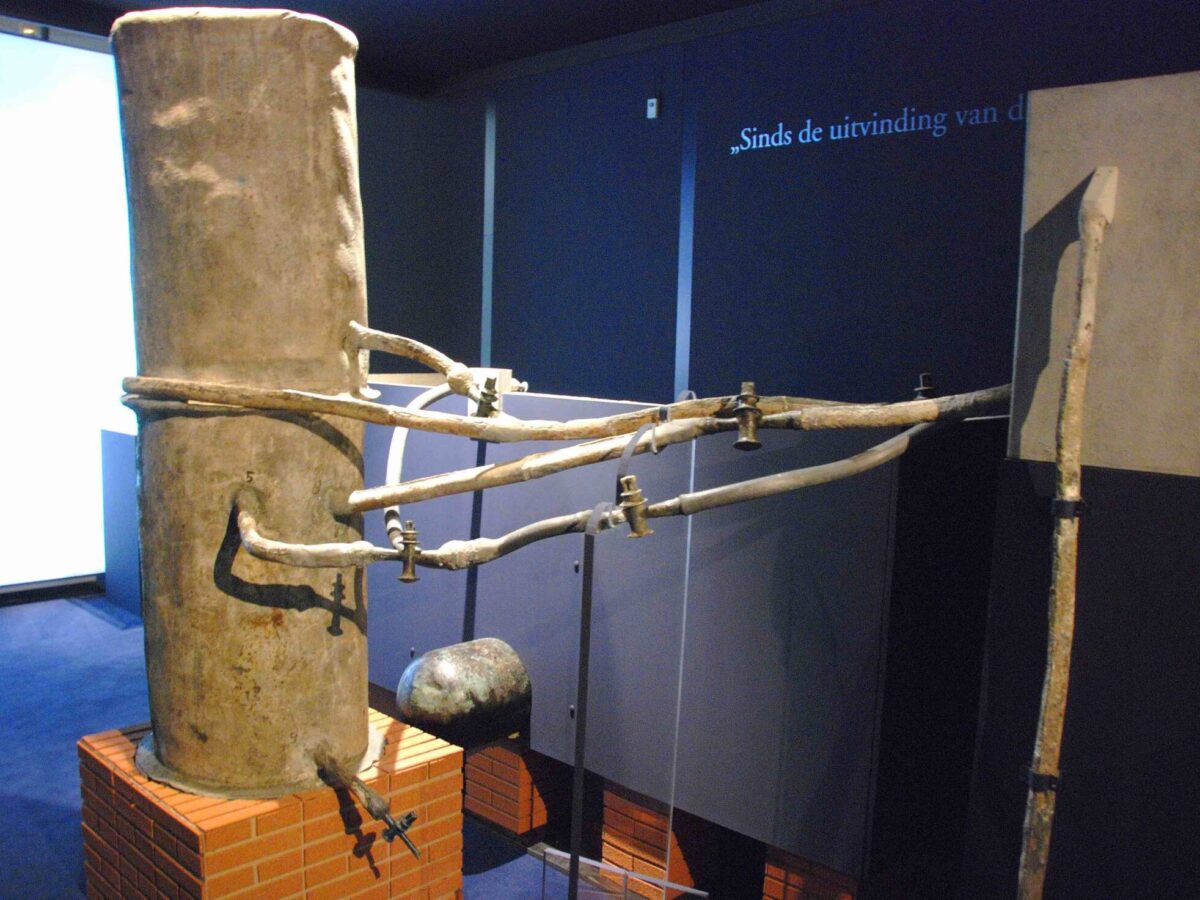
To transport hot water to the baths, the Romans developed an ingenious system in the furnace room (praefurnium), consisting of many components: a lead water distribution tank, a lead hot water boiler, lead pipes, and bronze taps. By placing the distribution tank higher than where the water was used, the Romans cleverly used gravity to move the water through the bathhouse.
Photo: Heerlen, side plate of lead water distribution tank (photo Gemma Jansen, courtesy of The Roman Museum, Heerlen)
Remains of a hot water system are rare
Fragments of such a system were found in the bathhouse in Heerlen. However, at the Roman villa in Boscoreale in Italy, at the foot of Mount Vesuvius, the complete system has been perfectly preserved. This is exceptional, as in other places the components were already removed in Roman times once the bathhouse was no longer used. Across the entire Roman Empire, with its thousands of bath buildings, only 16 (remains of) water tanks and 9 (remains of) boilers have been found. The discoveries in Heerlen and near Jülich (Germany) are therefore quite remarkable.
Photo: Boscoreale (Italy): right, lead distribution tank; left, lead hot water boiler; with connecting pipes and taps (photo Museum Het Valkhof, Nijmegen, 2008)
The stoker, a slave
No matter how ingenious, the system could not function without the stoker who maintained the fire. While people bathed, the stoker worked far out of sight to make this luxury possible. The stoker was an enslaved person. We know quite a lot about emperors and the Roman elite, but generally nothing about stokers, who were at the bottom of Roman society.
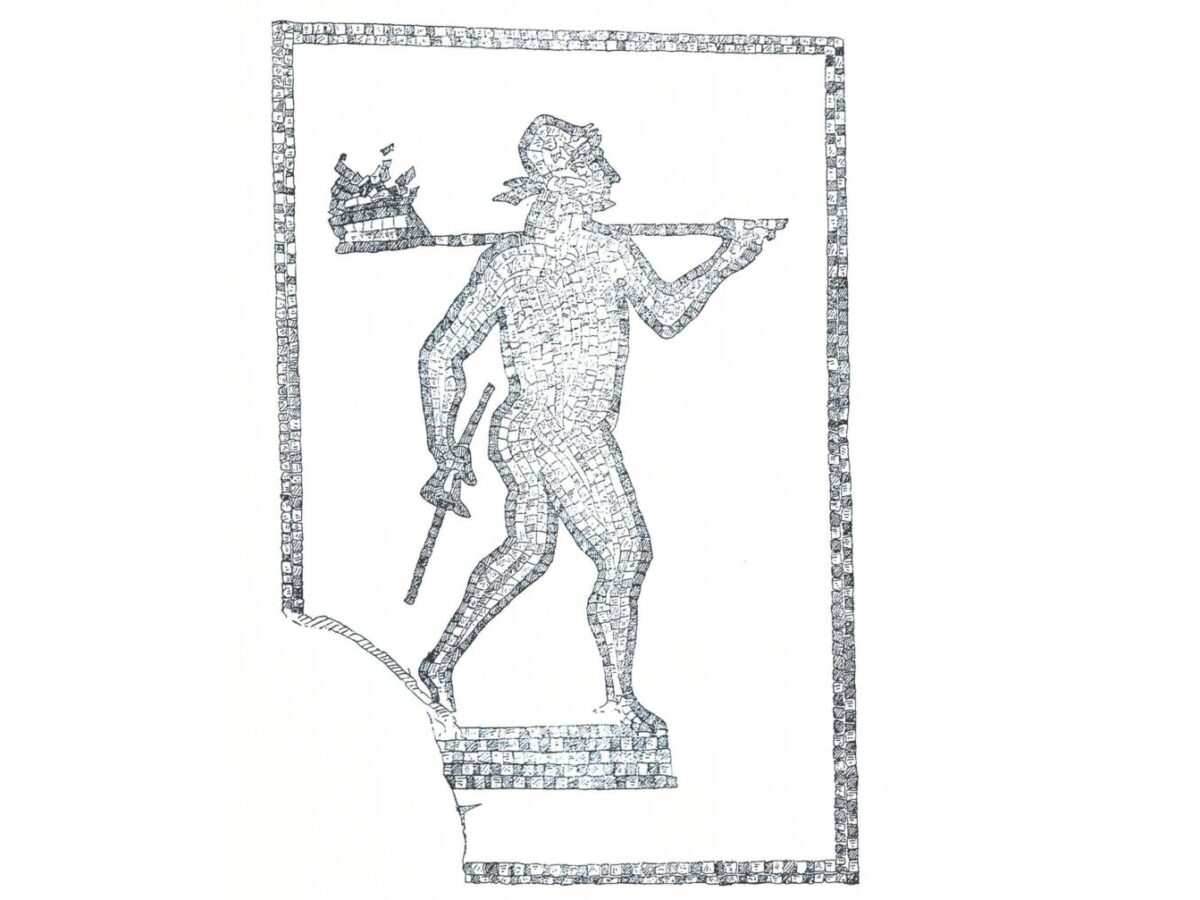
There are a few exceptions: the stoker is depicted several times in floor mosaics and on lead tokens. We see a man walking briskly left or right, carrying a heavy fire shovel over his shoulder. He is usually naked and barefoot, wearing only a cap, with no protective clothing visible. This is the man who was also indispensable for the furnace rooms of Maastricht, Heerlen, and the villa baths in the South Limburg hills.
Photo: Bir-Shana Moghane (Tunisia), stoker with cap, fire shovel and poker
Unique: fire shovel from Maastricht bathhouse
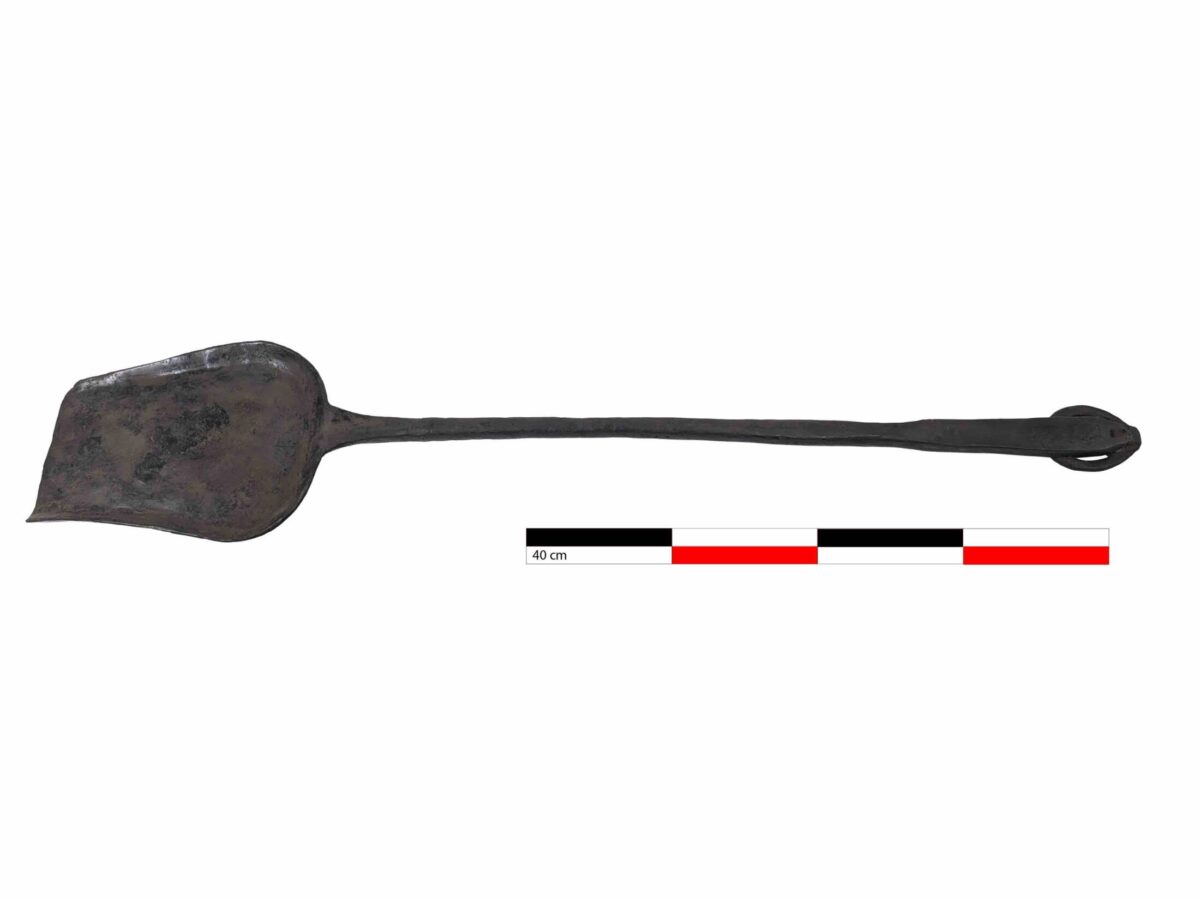
The stoker needed various tools: a poker to stir the fire, a broom to sweep away ash, and a short iron rod to open and close water taps. But above all, the fire shovel was his trademark. Such shovels are rarely found in bath buildings, but more often in Roman kitchens where fires were also used. Four such shovels have been found in Limburg villas. One example was discovered at the bathhouse in Maastricht. Clearly visible are the ring used to hang the shovel and the raised edges of the blade, designed to prevent ash from falling off.
Photo: Maastricht, Stokstraat bathhouse, iron fire shovel (photo: Inge Davis, Centre Céramique, Municipality of Maastricht)
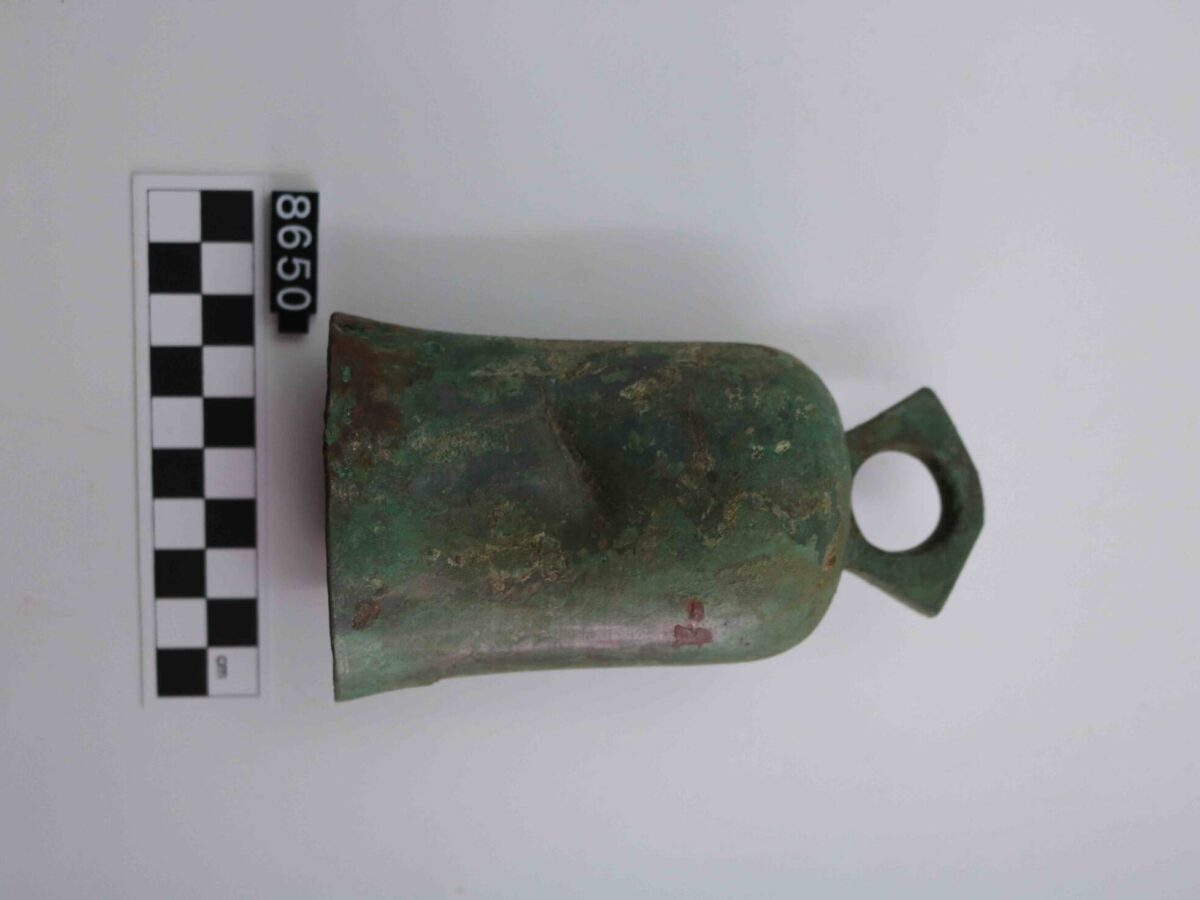
The bell of the Heerlen bathhouse
At the bathhouse in Heerlen, a seemingly surprising object was found: a bronze bell. Thanks to Roman texts, we know its purpose: the bell was rung to signal that the bathhouse was ready for use. The Heerlen bell could be heard from up to 400 meters away.
The texts do not specify who rang the bell, but images of the stoker show that he performed this task. This also explains why the bronze bell from Heerlen was found near the door of the furnace room.
Photo: Heerlen bathhouse, Roman bronze bell found near the rear door of the furnace room, inv. no. 08650 (photo The Roman Museum, Heerlen)