Jülich renews permanent Roman exhibition
Author: Harry Lindelauf
Photography: Museum Zitadelle Jülich
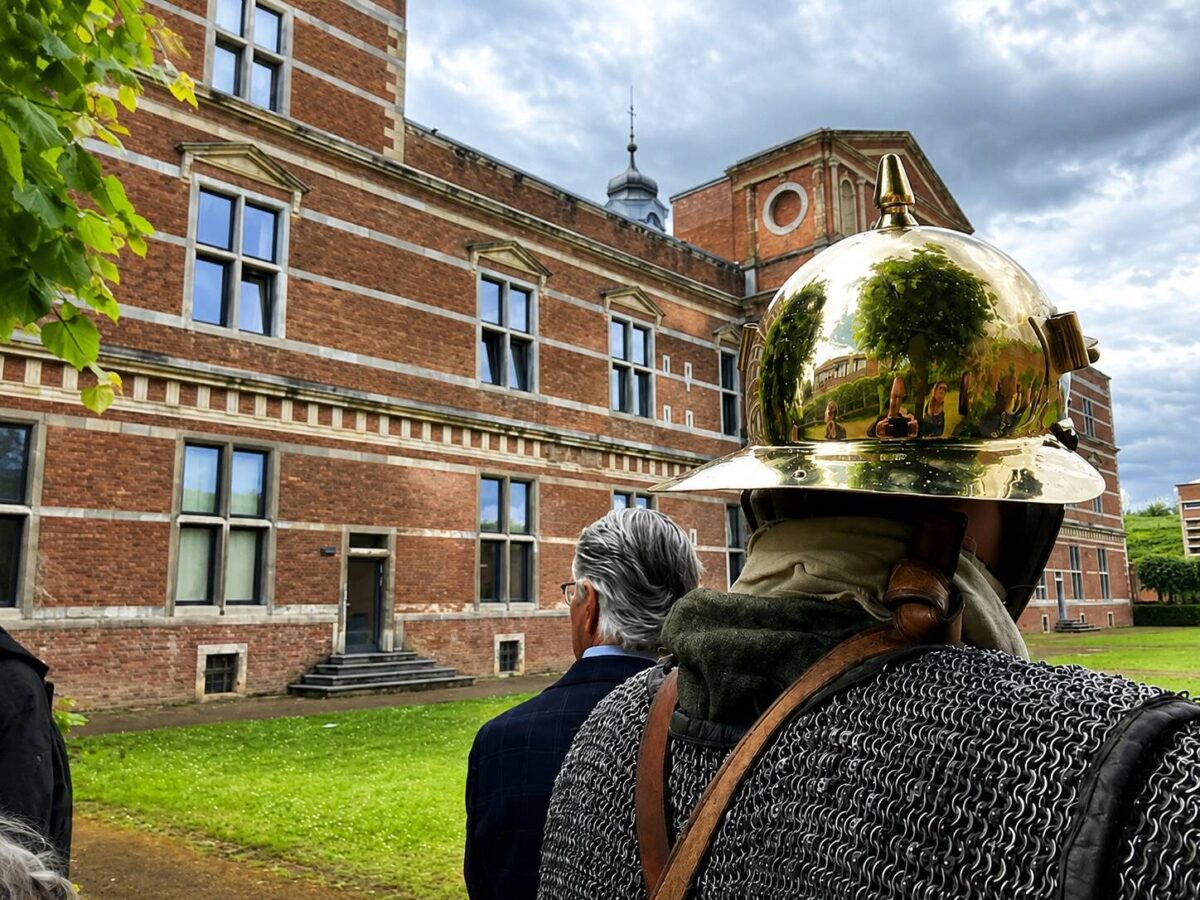
In spring 2027, the Museum Zitadelle in Jülich will open a renewed exhibition about Roman life in the region. The new presentation is part of the VIAVIA project and will be housed in the basement of the historic complex.
For the design of the Roman section of the permanent exhibition, the museum has enlisted the renowned architectural firm Merz Merz Architekten from Berlin. This firm is, among other things, responsible for the renewed Kunstkammer of the Kunsthistorisches Museum in Vienna and has extensive experience with monumental exhibition spaces.
The renovation of the castle basement is taking place within the framework of the Interreg project VIAVIA, in which 13 partners from the Euregio are collaborating to bring the Roman past of the region to life.
Castellum
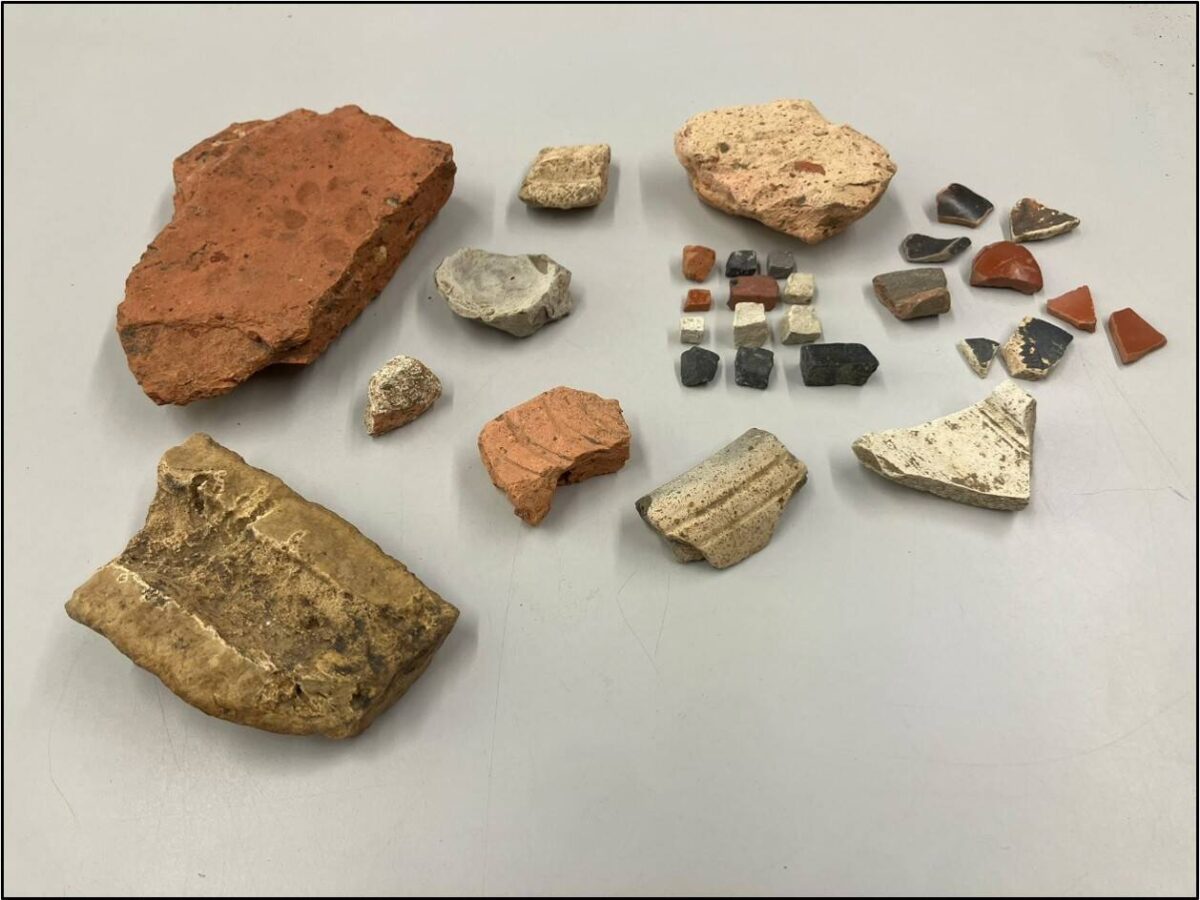
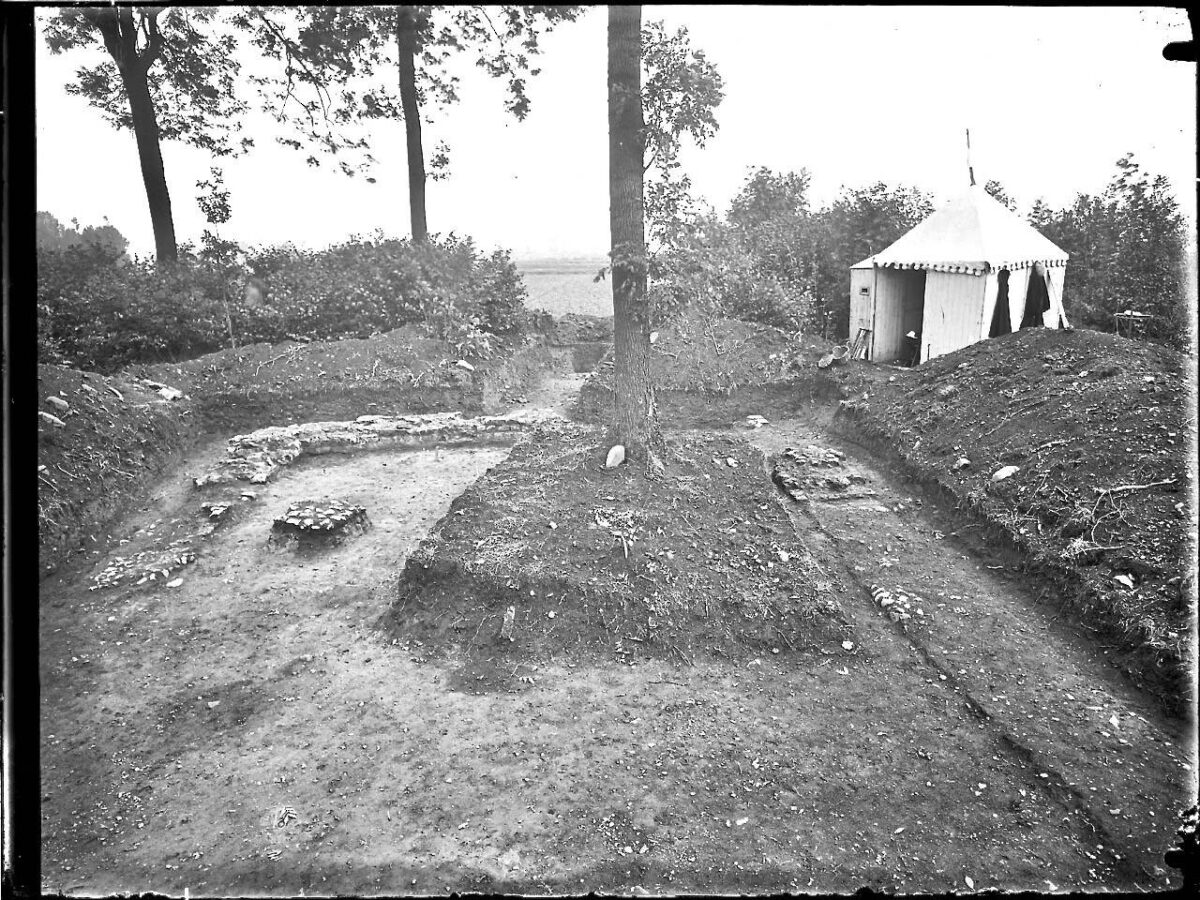
The Roman predecessor of Jülich (Iuliacum) emerged around the beginning of the Common Era near the bridge carrying the Via Belgica across the River Rur. As was often the case with the Romans, the location proved to be a smart strategic choice. In the fourth century, the Via Belgica bridge over the Rur had to be secured with the construction of a castellum, the remains of which lie beneath the present-day market square.
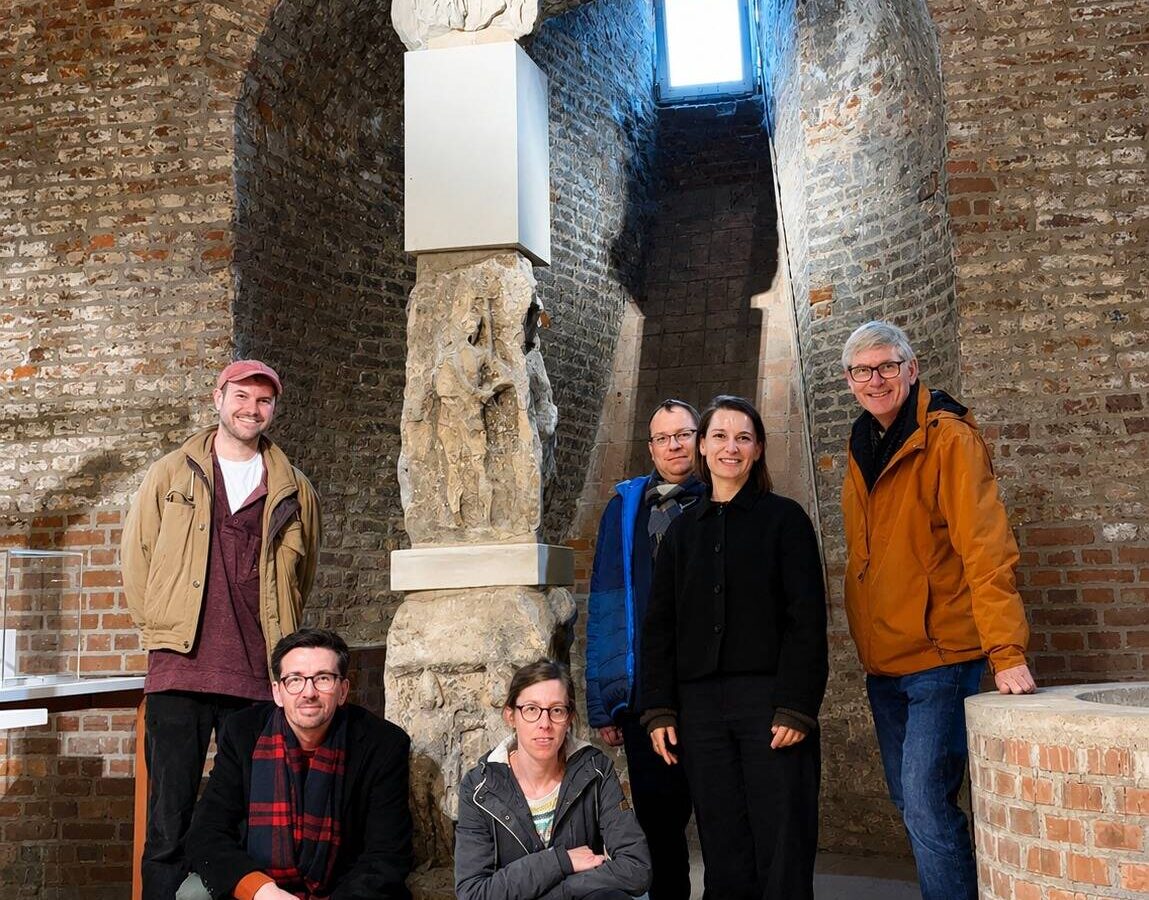
Photo: The Museum Zitadelle team with Tobie Verleye (Merz Merz Architekten), Jacek Grubba, Christina Vieth, Guido von Büren, Sophie Merz (Merz Merz Architekten), and Marcell Perse.
Defensive structure
That Jülich occupied a strategic position in the Rur valley was confirmed in later centuries. In 1548, Alessandro Pasqualini began constructing Renaissance-style fortifications commissioned by Duke William V of Aquitaine, with the citadel as the centrepiece. Later, Napoleon’s army built additional fortifications to protect the bridge over the Rur.
The now restored Zitadelle fortress currently houses the Museum Zitadelle, with exhibitions in the castle basement presenting different periods of the city’s history, including the Roman era.
VIA VIA is supported by the European Union and the Interreg Meuse-Rhine (NL-BE-DE) programme, with co-financing from the Ministry of Economic Affairs of North Rhine-Westphalia, the Province of Limburg, and the Regio Deal Parkstad Limburg.