Béatrice lets Caecilia and Minerva tell their stories
Author: Harry Lindelauf
Photography: Anja Neskens, Yvonne Vrouenraets
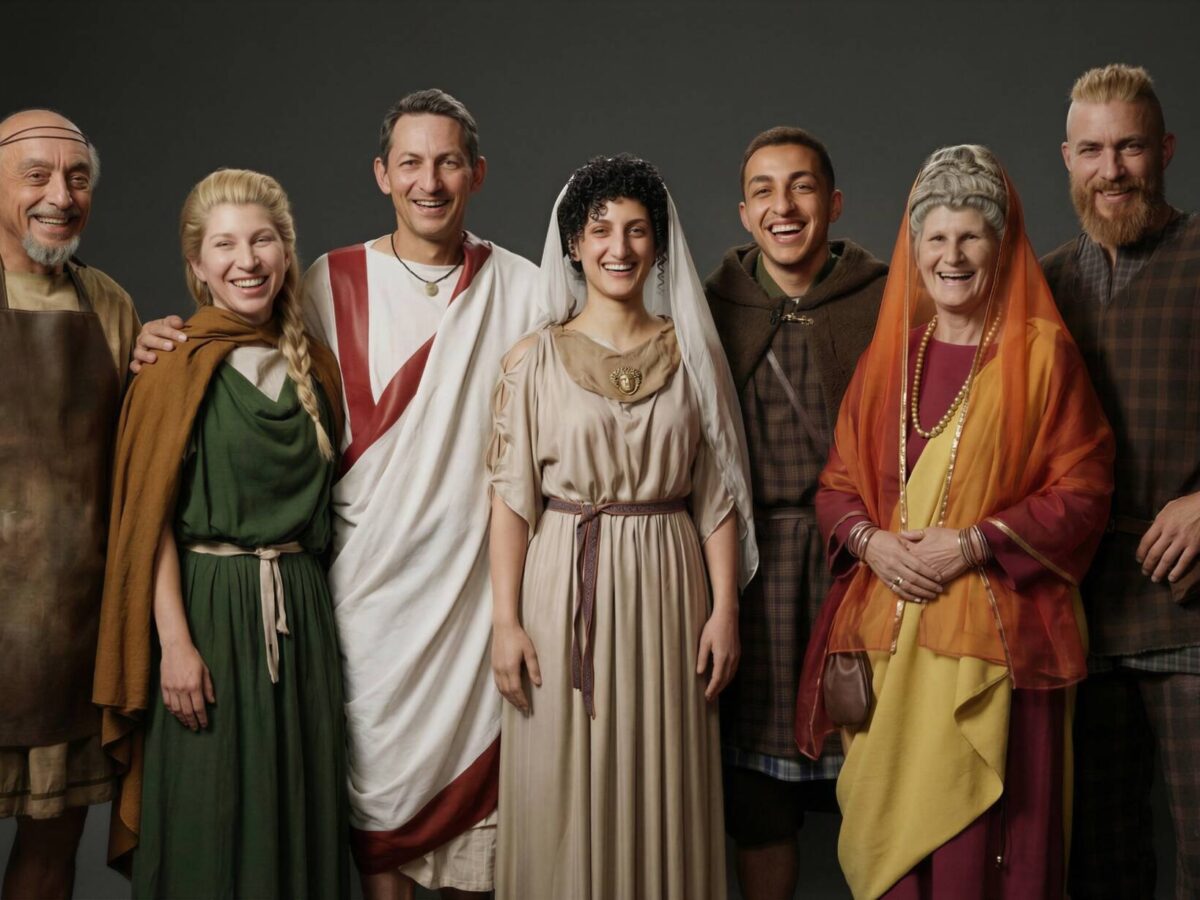
Researcher and archaeologist Béatrice de Fraiture has brought seven people from Roman South Limburg to life for the VOX walks. At carefully selected locations, walkers hear interesting details from the daily lives of Caecilia, Lucius, Servatus, Julius, Minerva, Titus, and the Lady of Voerendaal.
The creative force behind this journey back in time composed and structured the stories according to several principles: each Via Belgica municipality has its own main character, each character has a unique story consisting of 20 parts of 2 minutes each, and every character encounters two other figures during the walk.
The language used is contemporary Dutch, German, French, or English. The Maastricht dialect version that previously attracted attention during the LUX light festival has been dropped in order to accommodate Dutch-speaking walkers who do not understand the Maastricht dialect. Perhaps compensation comes in the story of the Maastricht character Servatus. In his anger, the wine merchant throws the sour wine he received into a cooking pot with meat. A day later, it has become — indeed — the city’s most famous dish. It illustrates the humorous way in which Béatrice de Fraiture dresses up the stories.
Fun and challenging
Béatrice worked on the VOX stories for about a year and a half. “One of the nicest assignments so far. But, for example, it was quite difficult to step into the role of a goddess,” the archaeologist reflects afterwards. She faced several dilemmas: “I didn’t want to turn it into a walking history lesson. On the other hand, I did want to share knowledge with an audience that is not necessarily familiar with Roman times. How far can you simplify or omit things? At the same time, these characters never really existed, but it is based on history, and as an archaeologist I feel it also has to be responsible.”
Herb facts
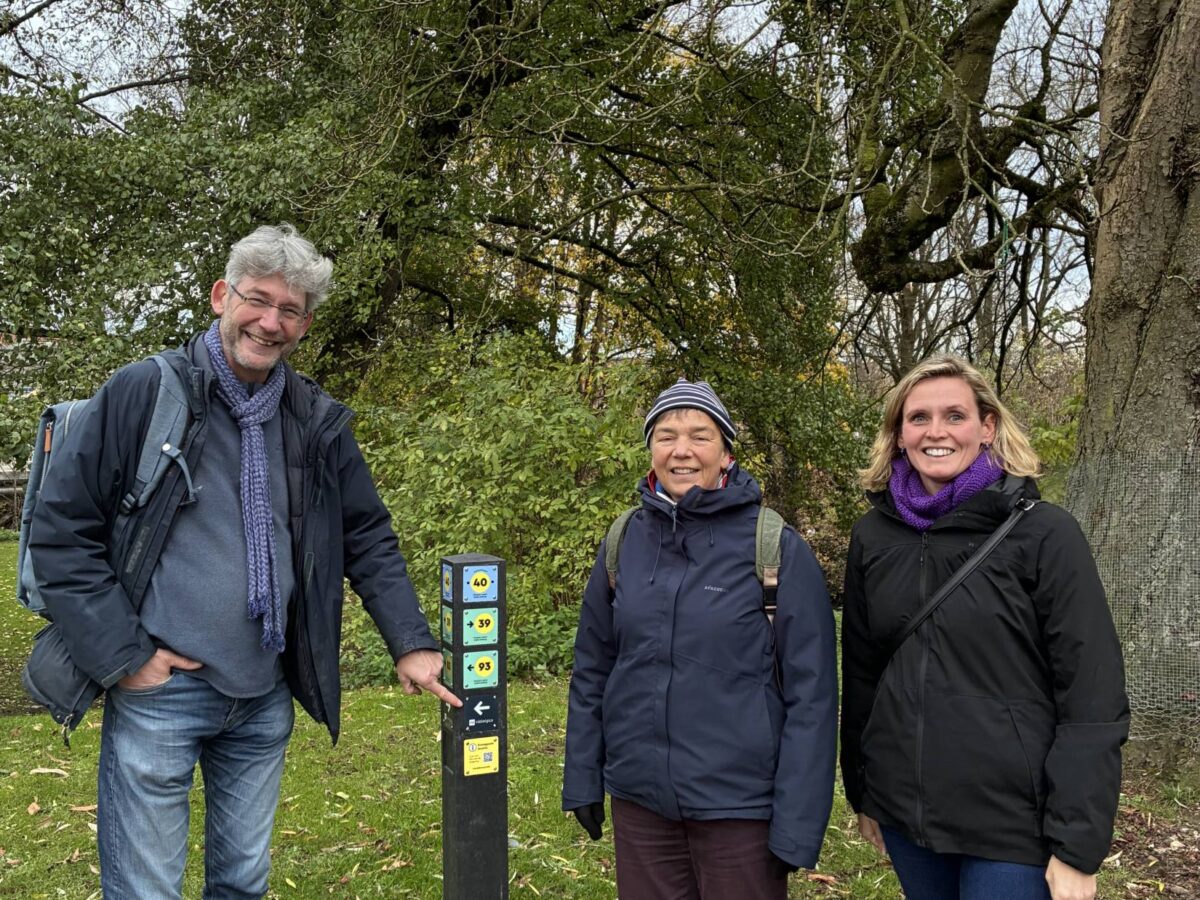
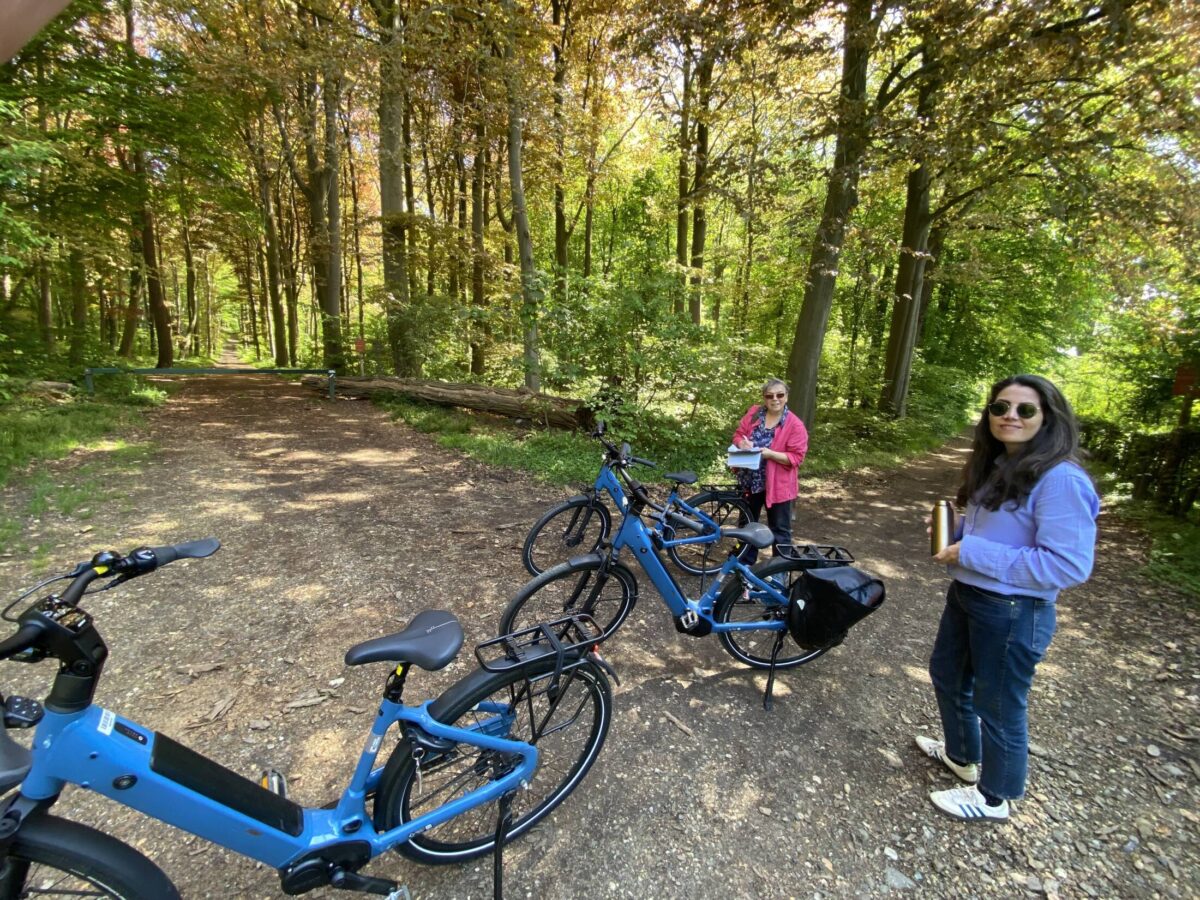
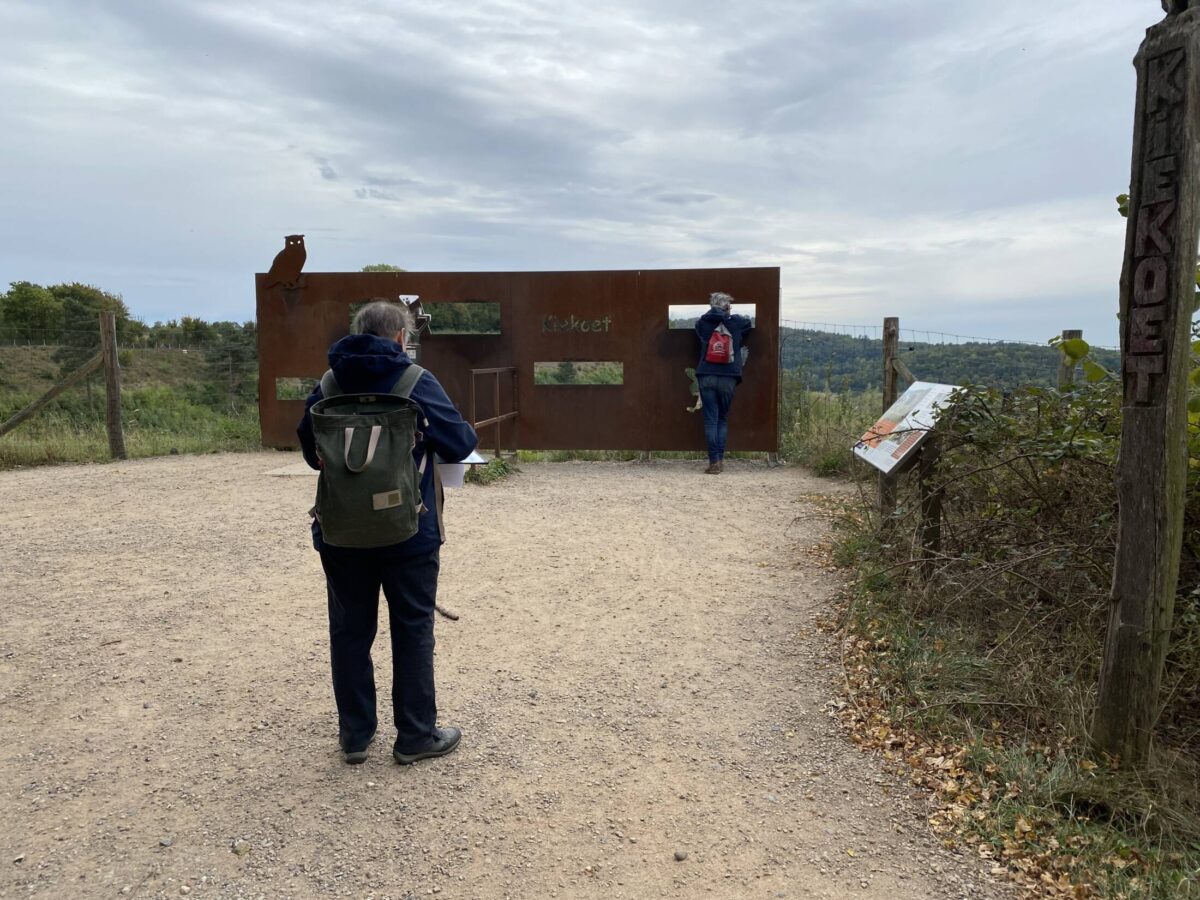
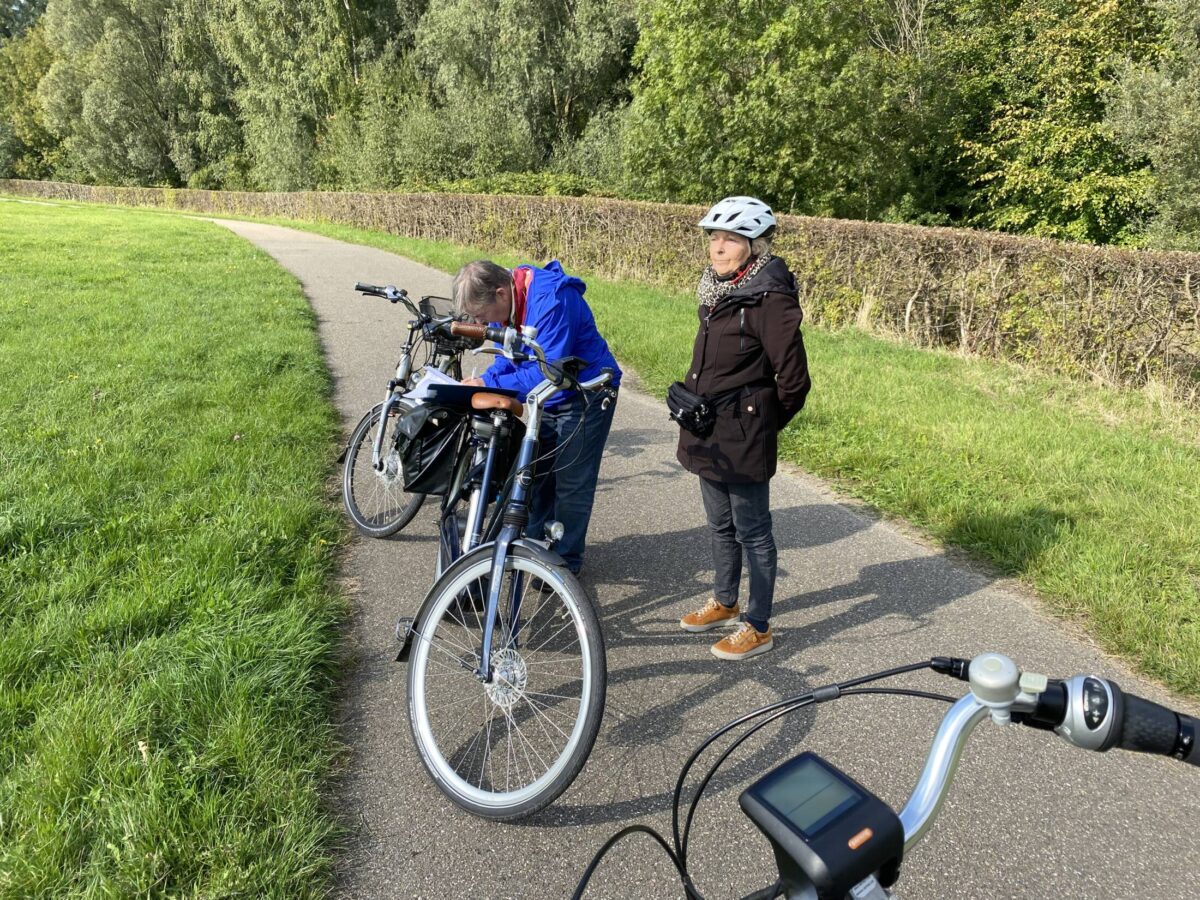
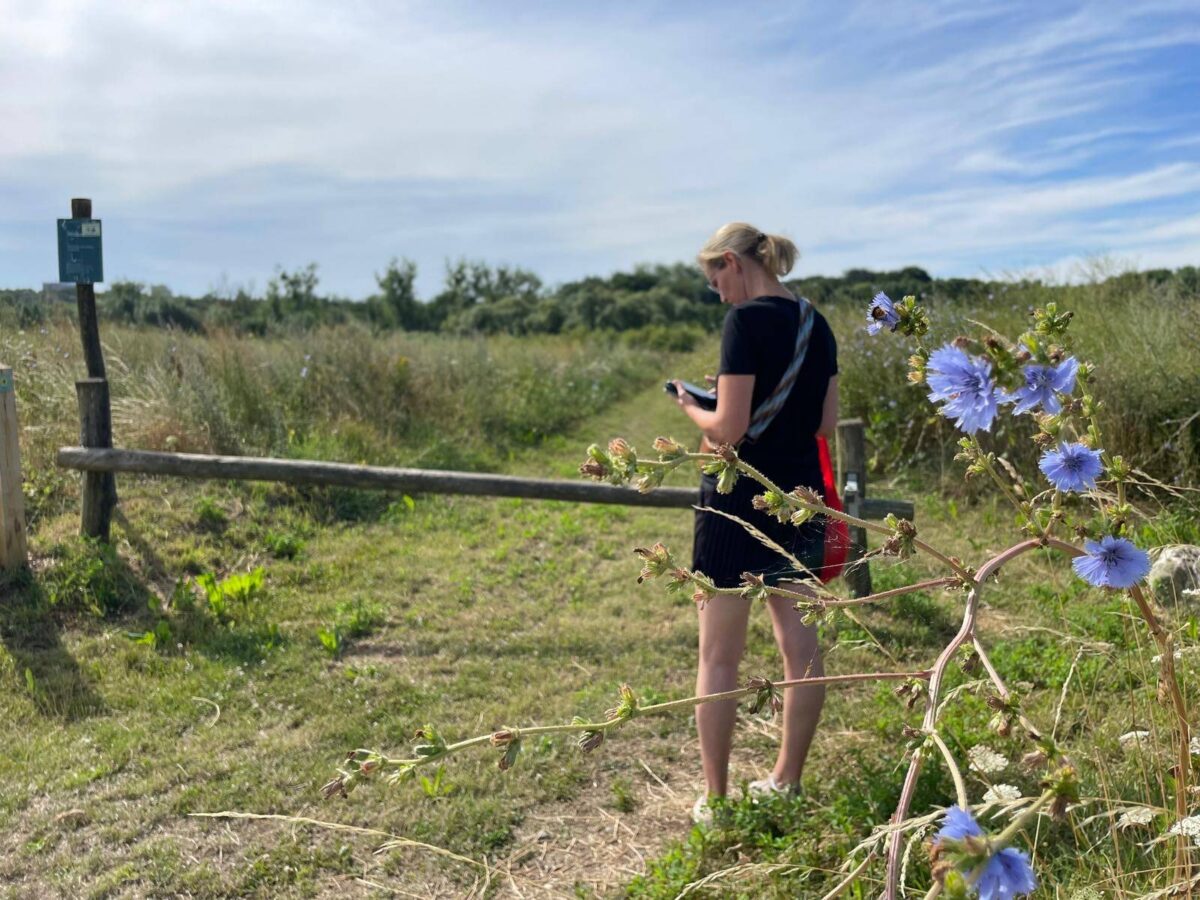
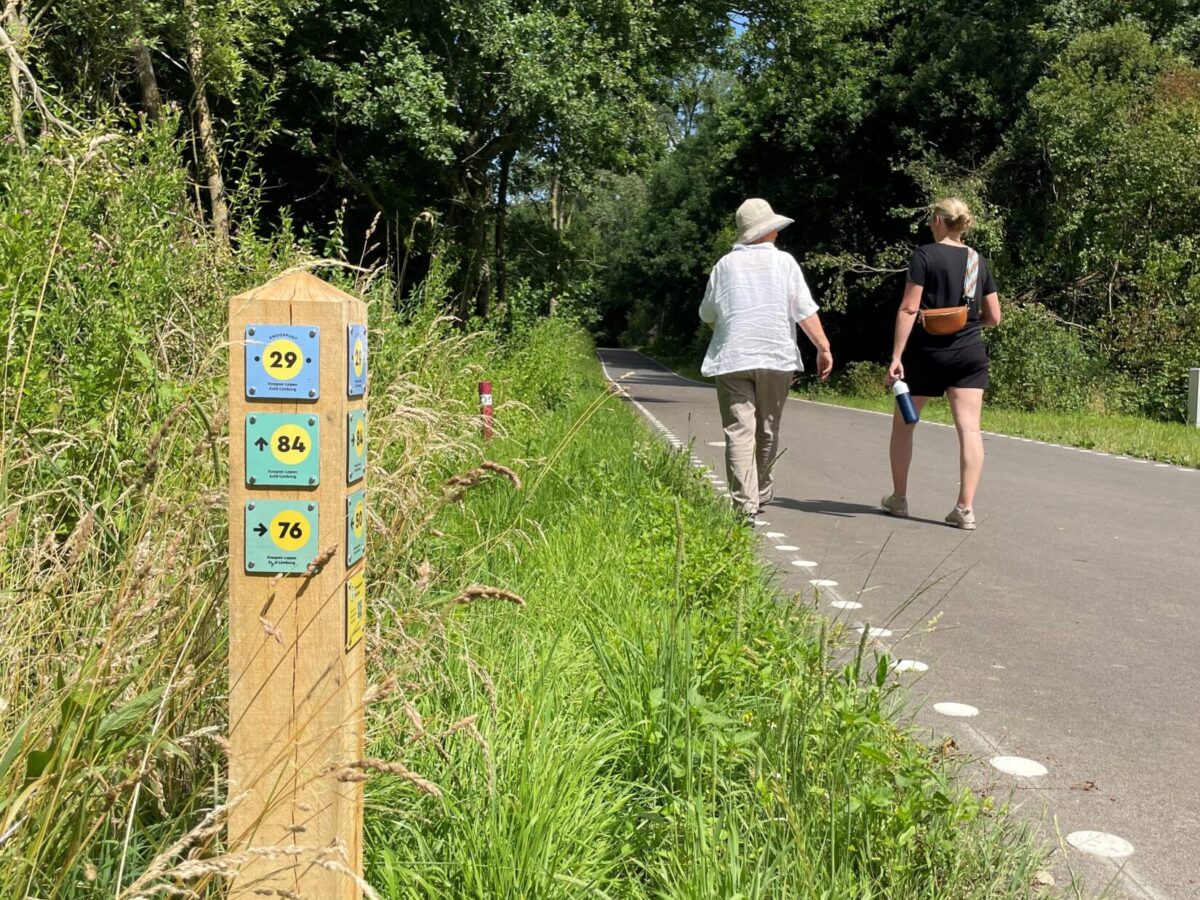
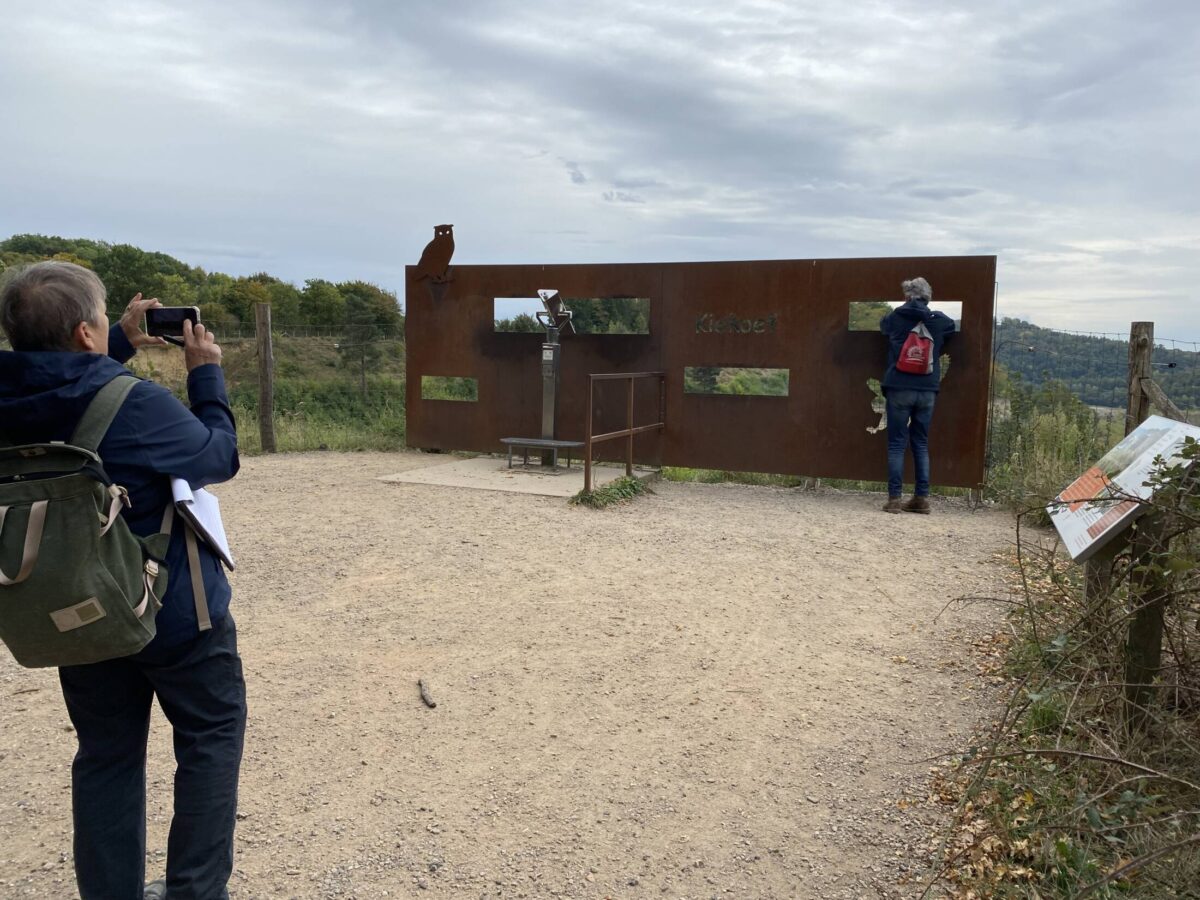
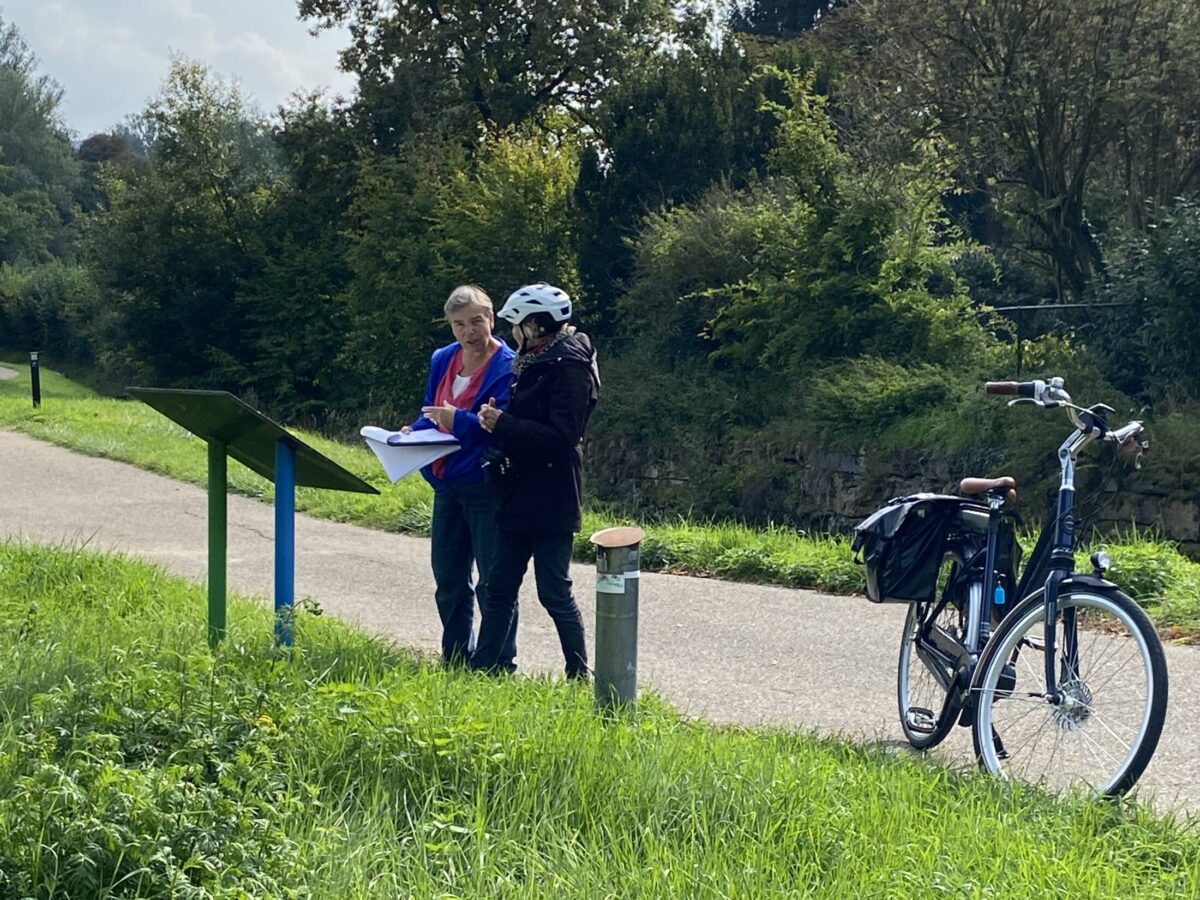
Together with municipal officials and Anja Neskens, project leader of Via Belgica, she visited all locations (“several times”) on foot or by bicycle. They worked with a map showing the junction routes of Visit Zuid-Limburg and information about Roman excavations in the area. These maps were marked out in advance by Béatrice. She then applied her knowledge of Roman history, supplemented with additional reading and research. In Heerlen, two guides from IVN Nature Education joined them, providing interesting extra facts about herbs along the route.
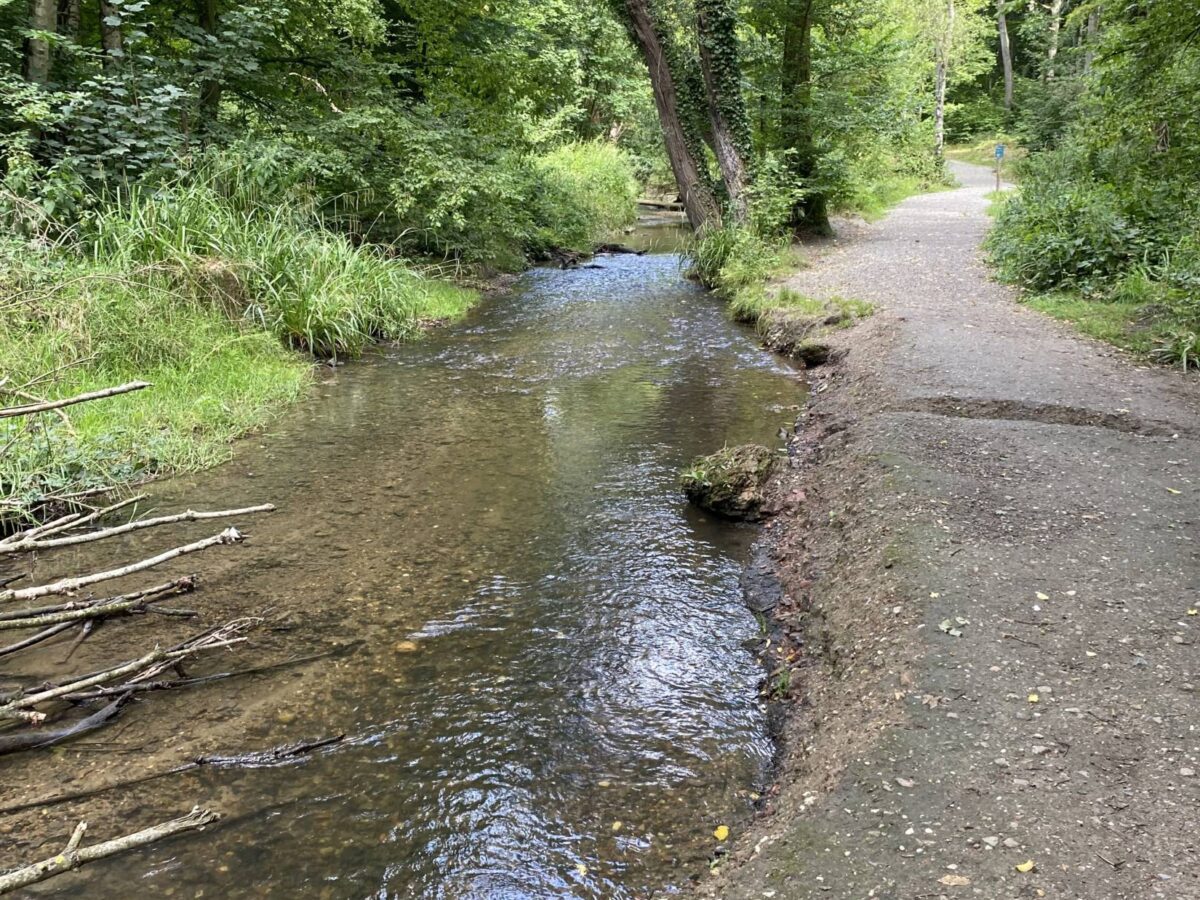
The walks are 7 to 8 kilometres long. Sometimes the locations of archaeological finds are not situated close together or are in places less suitable for a walking route. In such cases, the text refers to those discoveries “because it also has to be an enjoyable walk.”
Favourites
When the first versions of the texts were ready, she recorded all the texts herself and once again went out walking to listen to her own stories while moving through the landscape. “Then you see the surroundings and you notice things, so you adjust certain details.” Eventually, after a content review by fellow archaeologists Karen Jeneson and Hilde Vanneste, the texts were recorded by voice actors.
When asked about her favourite among the seven characters, she immediately mentions both Caecilia and Minerva. Caecilia is the farmer’s daughter who dreams of a future as a singer. Not coincidentally in Kerkrade, because Kerkrade is home to the WMC (World Music Contest) and is therefore known as the “City of Sound.”
My interpretation
Minerva is her second favourite. The goddess was chosen because of the religious diversity with which Meerssen promotes itself as a tourist destination. The choice of Minerva is based on the discovery of a statue of the goddess in Bunde, municipality of Meerssen.
Where she wrote Caecilia’s story with ease, Minerva’s contribution proved more challenging: “A goddess must maintain a certain distance from people, so you have to give her that role yourself. And sometimes you do that with a wink in the text. Still, I think walkers will understand that this is my interpretation of Minerva.”