Gallo-Roman Tienen: Old city in a New city
Old city in a new city, Tienen
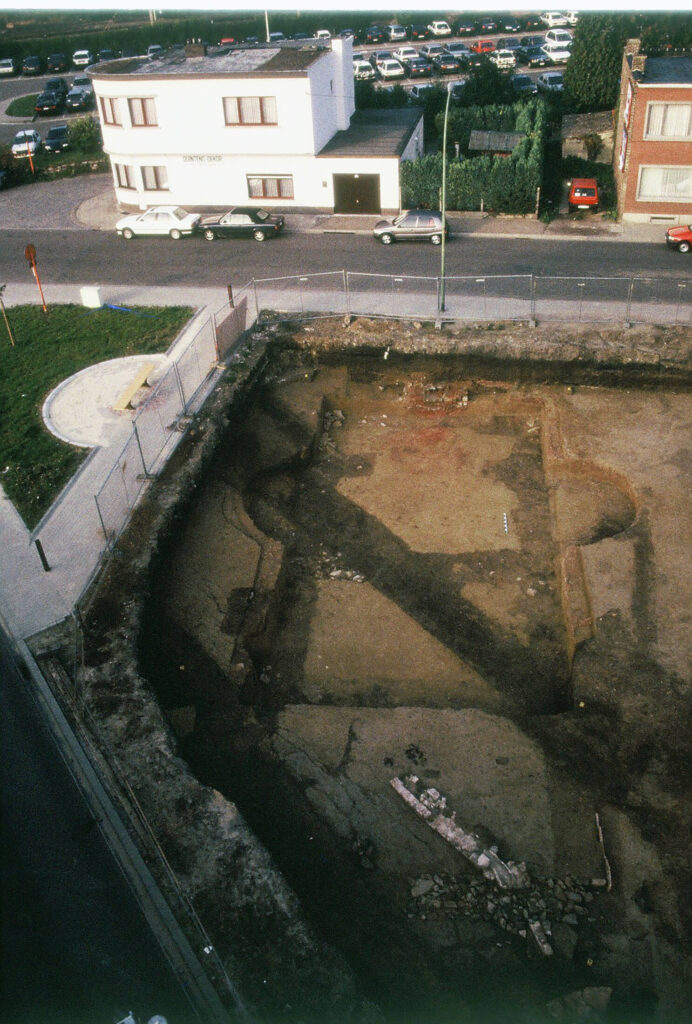
In Roman times, Tienen was much more than a mere vicus. This important Gallo-Roman settlement in the civitas Tungrorum, the administrative district of the region, lay along the main road between Tongeren and the French Cassel. Today, the heart of this ancient settlement lies near Tienen’s station, right on the edge of the modern city.
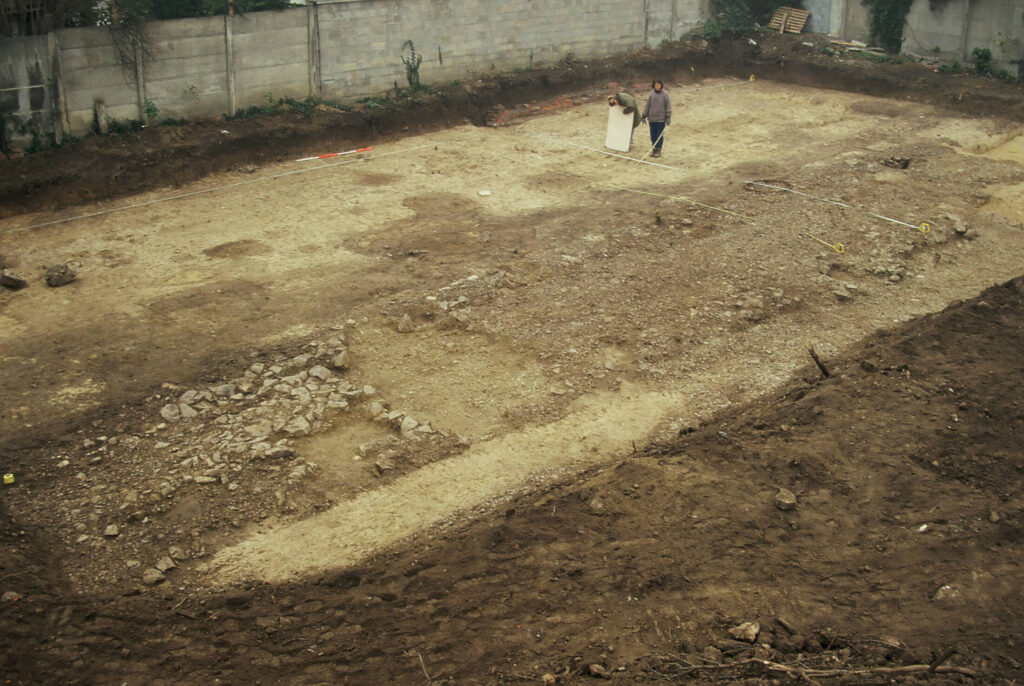
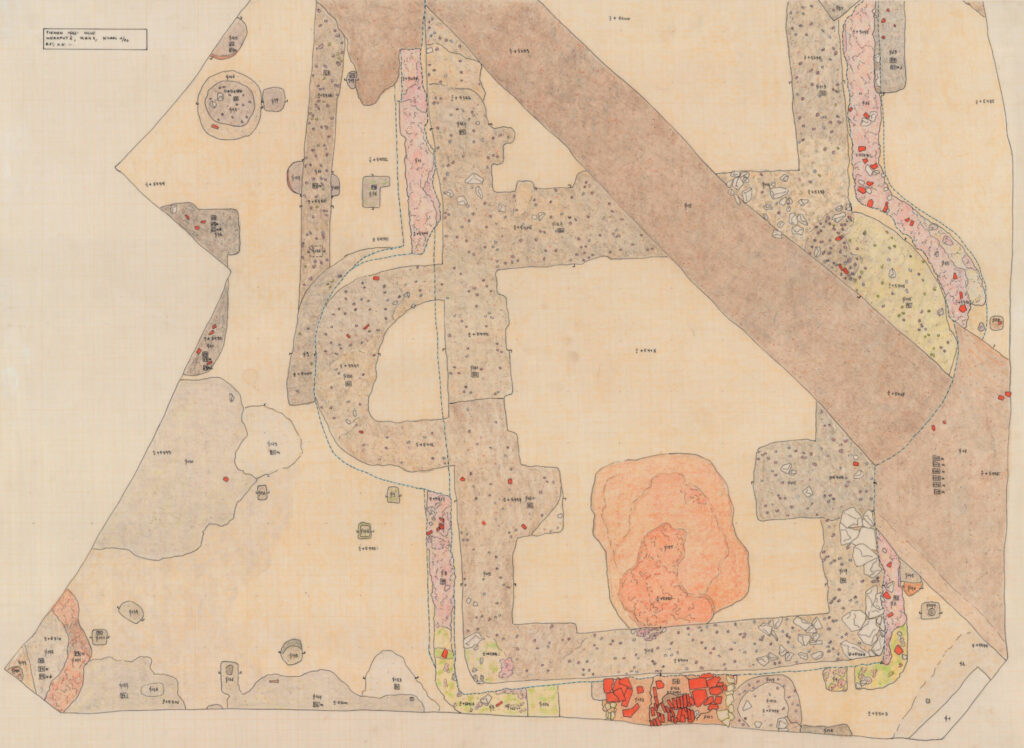
The past has left deep traces here. One of the earliest Roman interventions was the construction of a road towards Elewijt. Archaeological excavations have revealed interesting traces of habitation: foundations of houses—initially built in wood and later in stone. These dwellings were not only meant for living, but they also provided space for crafts and storage.
A Craft Zone
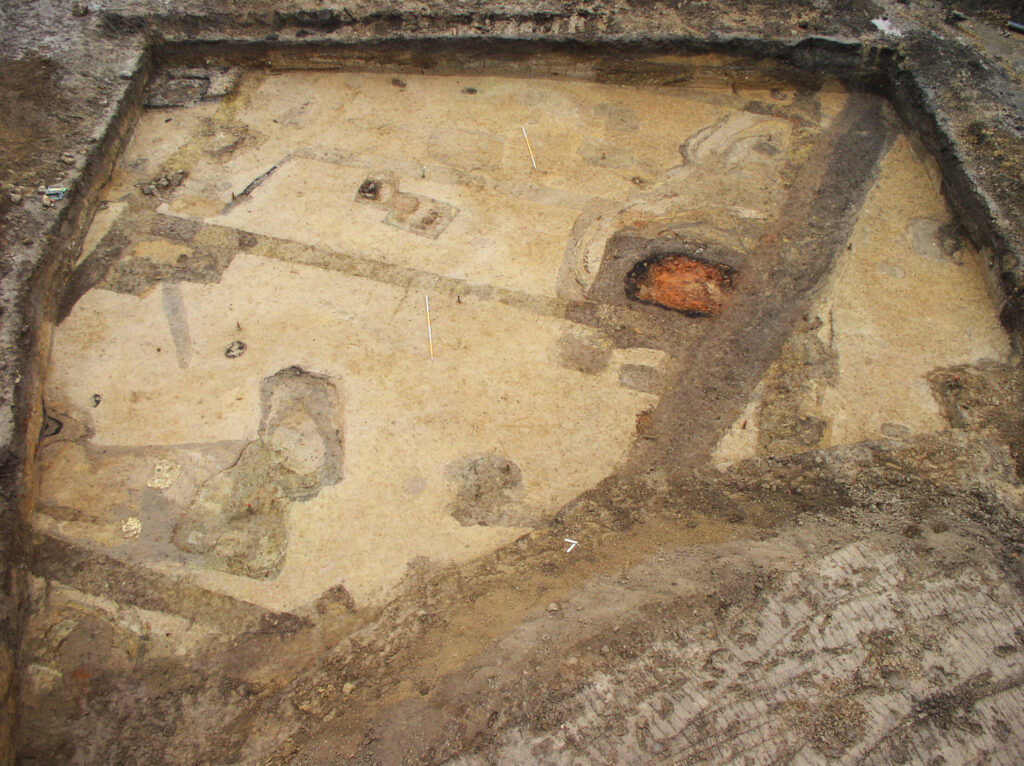
In this craft zone, covering at least 2.5 hectares, archaeologists discovered dozens of bronze-casting furnaces, smithy hearths, and possibly even kilns for glass working. The Gallo-Roman craftsmen worked with metal, glass, and clay, but also found inventive uses for animal remains. Bones were turned into valuable raw materials: marrow was extracted, fat rendered, and even bone glue was produced. These lesser-known processes highlight the ingenuity and versatility of artisanal production in Tienen.
Thanks to these countless archaeological finds, we know that Tienen was a true hub of craftsmanship.
A Public Bathhouse
Comfort also played an important role. In the heart of the settlement stood a public bathhouse, approximately eight metres wide and twenty-five metres long. Interestingly, the private bathhouse of the nearby Gallo-Roman villa on the Mellenberg was about the same size.
Rituals and Beliefs in the Workshop
During the excavation of the largest smelting oven in Tienen, archaeologists made a remarkable discovery: a ceramic phallus (penis) embedded in the oven wall. This was not just a lost object; it was the spout of a jug or pot, intentionally incorporated into the structure of the oven.
In the Roman world, phallic symbols played a protective role, warding off evil and bringing good fortune. They were found throughout the empire—from homes to workshops. The find in Tienen fits perfectly within this tradition: a ritual offering intended to ensure the success of the smelting process and protect the craftsmen from misfortune. A tangible piece of superstition that offers a glimpse into the rituals and beliefs of Gallo-Roman artisans.
Exploring Gallo-Roman Tienen by Bike
Want to make sure you don’t miss a single hotspot in Gallo-Roman Tienen? There is much more to explore. Hop on your bike and follow the themed route! Along the way, you can also visit the Gallo-Roman tumuli of Grimde, the Gallo-Roman villa Mellenberg and its private bathhouse, and various other Roman structures!
Tienen is ready to reveal all its Gallo-Roman secrets.
Are you ready to discover them?
“The setting autumn sun glows warmly at our backs, fields and farmlands stretch all around us. Someone places an offering in a pit for the goddess Fortuna. ‘I’d much rather try my luck with Mercury,’ sighs Father. We could certainly use a helping hand from the god of trade. Lost in thought, we pass a cemetery. Flames lick at the twilight. The scent of cremation mingles with the earthy aroma from countless pottery kilns. A little later, we reach three tumuli, looming like giant guardians beside the road. ‘One day, they’ll dig up all those bones and grave goods again,’ my sister says. ‘Very carefully, with brushes made of horsehair.’ I love Julia dearly. Yet sometimes, her words make the hair stand on end.” – Marcus Iulius Viator