The Roman Museum
The Roman Museum, Heerlen
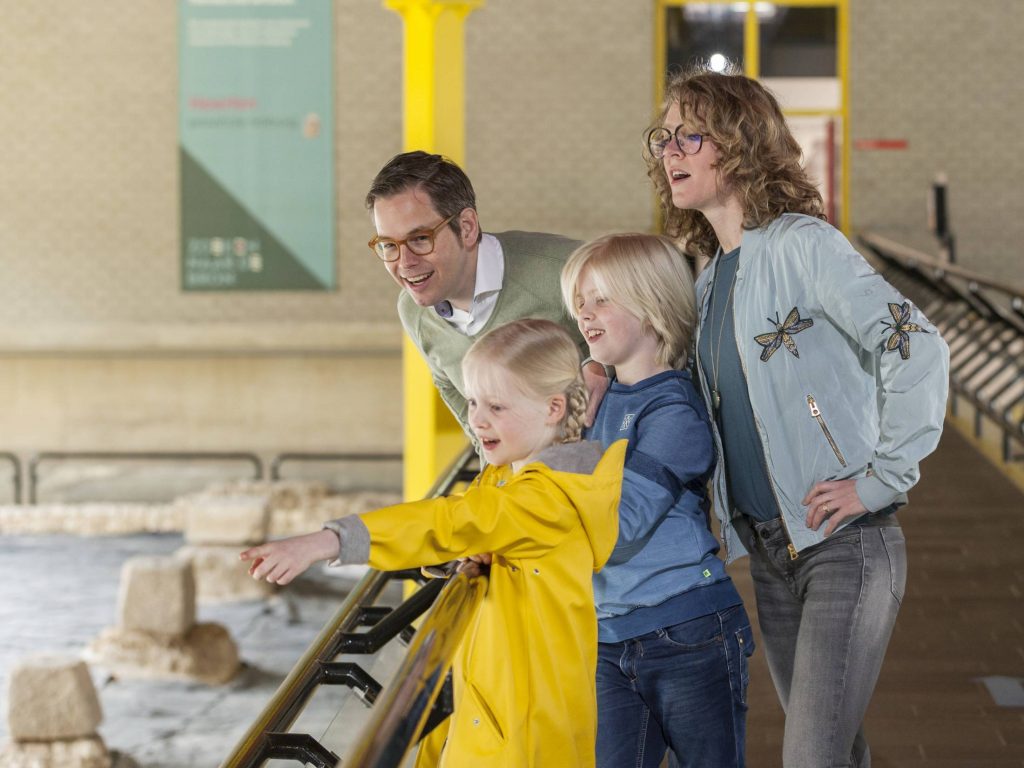
From summer 2028 onwards, meet the people of Roman times at the Roman Museum. They came from all corners of the world and encountered one another here. Coriovallum lay at the strategic crossroads of the Via Belgica and the Via Traiana, where goods, ideas and cultures were exchanged.
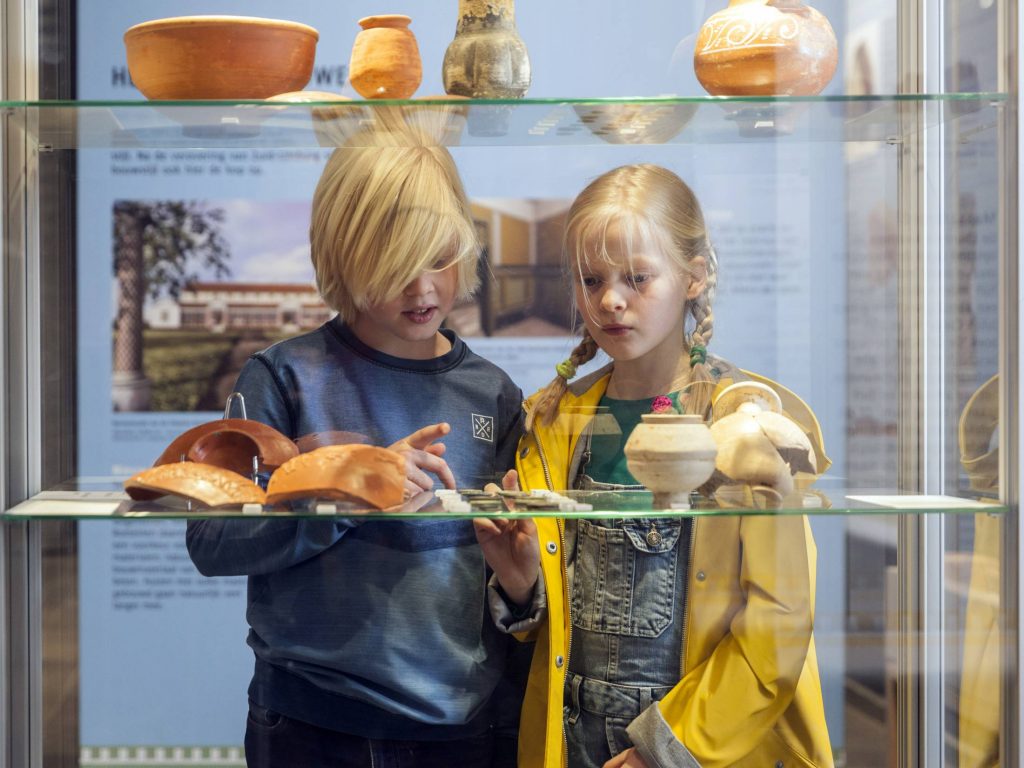
Walk through the museum with your virtual Roman companions and get to know the people who lived, worked and travelled here. Their personal stories bring the history of this region to life. These are stories of innovation, adaptation and cultural exchange, all based on archaeological finds. Through the eyes of a potter, a Roman officer, a merchant or a labourer, you will see a world that is different, yet still familiar. You may be surprised by how closely Roman life of the past is still intertwined with our lives today. After all, the Romans introduced many innovations whose impact is still visible. They brought apricots and olive oil, introduced roof tiles and designed the first toilets. The Romans were remarkably ahead of their time!
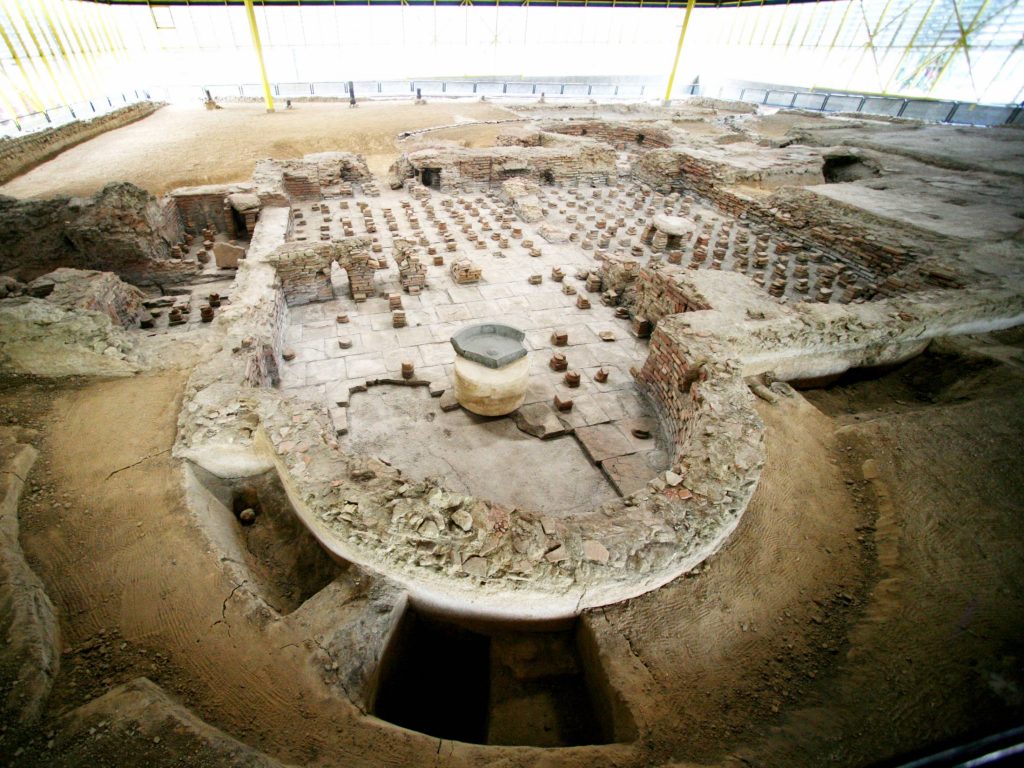
The highlight of the museum is the Roman bathhouse, the oldest preserved stone building in the Netherlands. Not behind glass, but beneath your feet. Discover the architecture and techniques of a Roman bathhouse and learn about Roman bathing rituals. Immerse yourself in this extraordinary piece of Roman culture.
The Roman Museum is closed for redevelopment until summer 2028.
Discover
- Step 2000 years back in time in a Roman bathhouse
- Let the archaeological finds come to life
- Discover the immense Roman influence in South Limburg
- Get to know Heerlen as a city of potters
Fun to know
- Pottery town Coriovallum
- Present-day Heerlen was in Roman times, when it was still called Coriovallum, a true pottery empire. More than forty pottery kilns have been found. One very special example was excavated at the Luciushof. Firing such a kiln did not always go well. At that time this kiln exploded, its contents were abandoned, and the whole was buried and forgotten. During excavations in 1971 a large quantity of pottery came to light. The inscriptions on one particular jug tell us that potter “Lucius Ferenius made this jug for Amaka,” probably his wife. The entire pottery collection of Lucius can be admired in the Thermenmuseum.