PODCAST – Introduction Servatus
Welcome to the walking tour through Roman Maastricht. Your guide is Servatus the wine merchant.
Two millennia of settlement history lie hidden beneath the current buildings of the city centre. Roman traces are impossible to miss. It was the Romans who built the first bridge across the River Meuse here, an important link in the Via Belgica, the major Roman road route. Roman Maastricht grew into a small town with a regional function, featuring a transhipment harbour, a market, a bathhouse and a sanctuary. During the turbulent years at the end of the Roman period, this prosperous and strategically located town transformed into a military fortress.
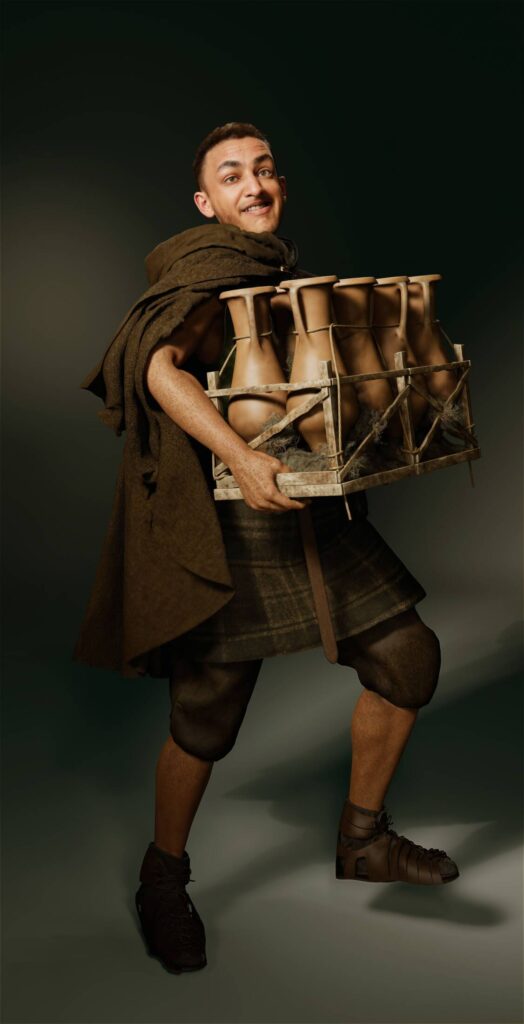
Based on many archaeological discoveries, we created our Roman character. The name Servatus comes from an inscription on a votive stone. This Servatus dedicated the stone to the Parcae, the goddesses of fate who determined the destiny of mankind. These goddesses were mainly worshipped in Southern Gaul. We therefore gave Servatus Gallic roots — a region already famous for its wine during Roman times.
Servatus did not really exist. Yet he guides us through Roman Maastricht. And very soon, similarities with present-day Maastricht become apparent: the bridge across the Meuse, the sanctuary on Onze Lieve Vrouweplein, the bustling shoppers, the hotels and the vineyards in the Jeker Valley. Perhaps the activity in this Roman town was already a foretaste of Maastricht’s international character today…?
Fun to know
- Rechten foto's?
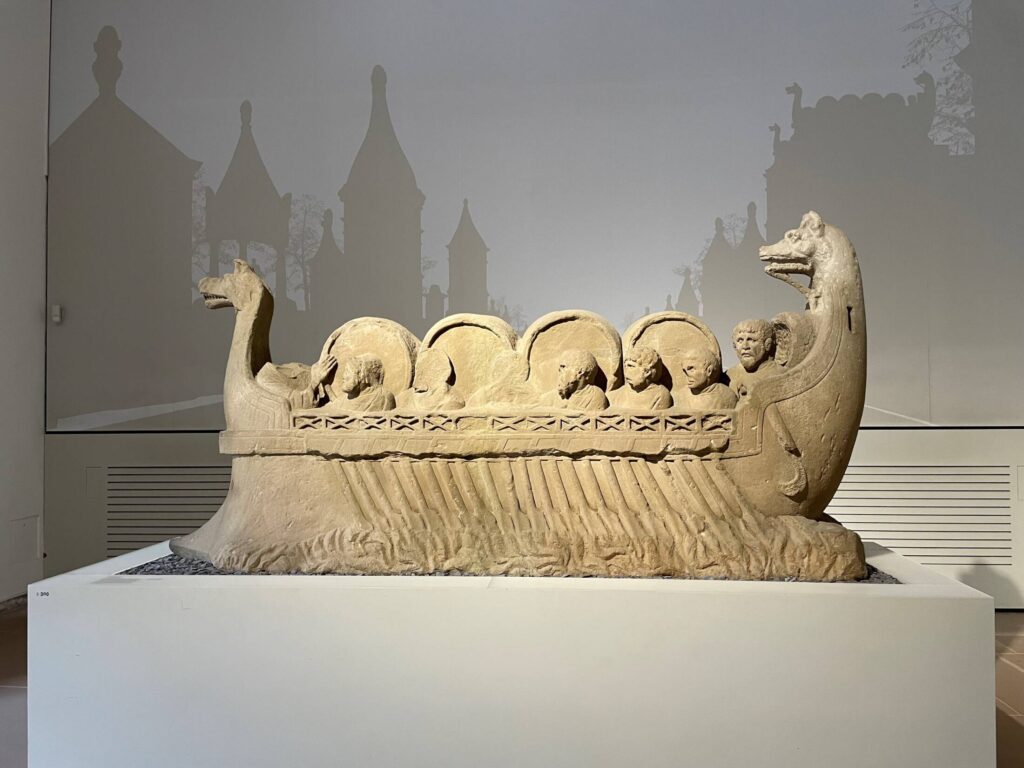
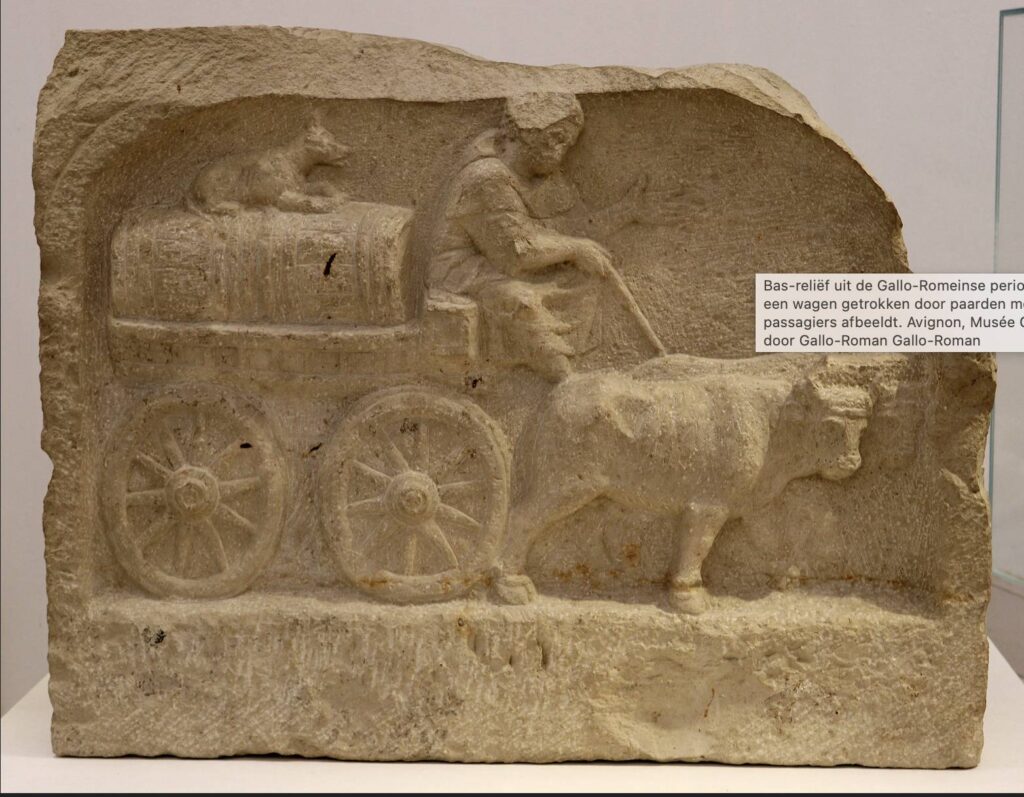
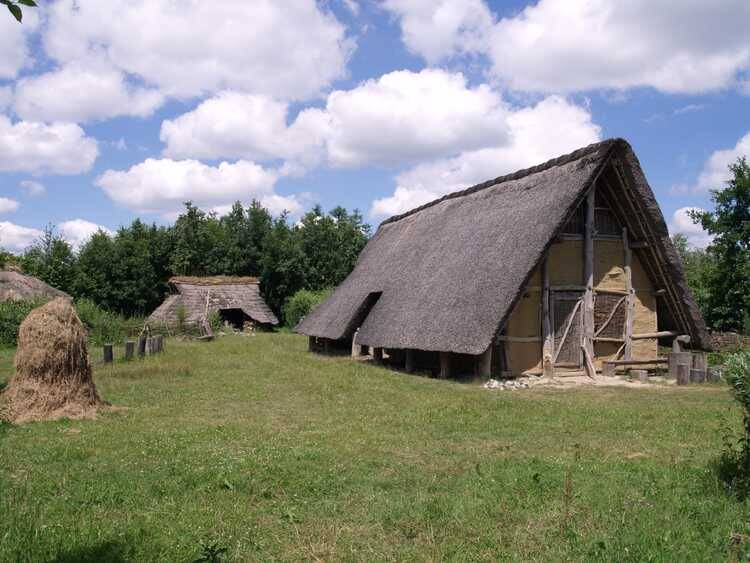
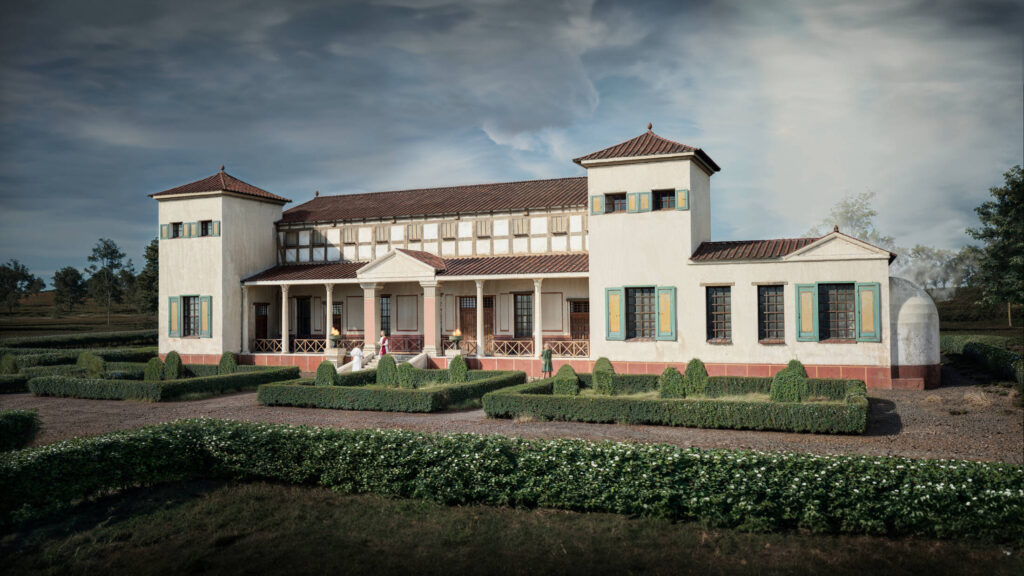
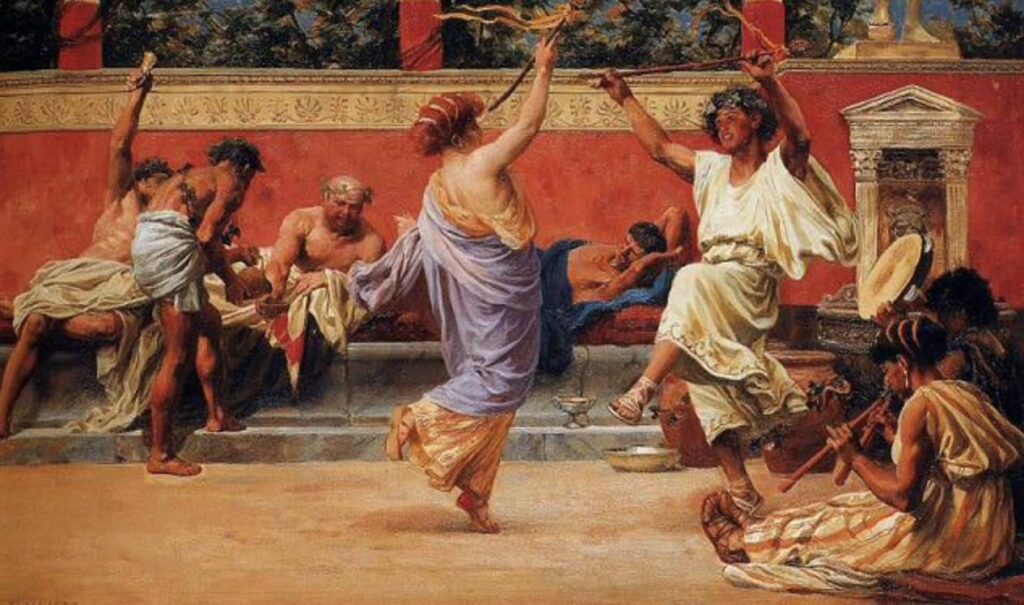
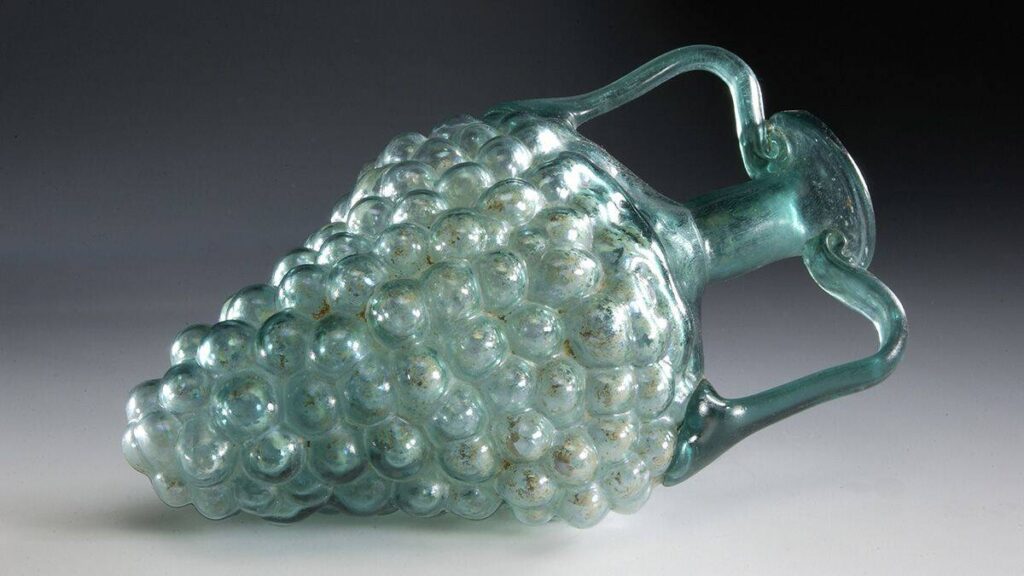
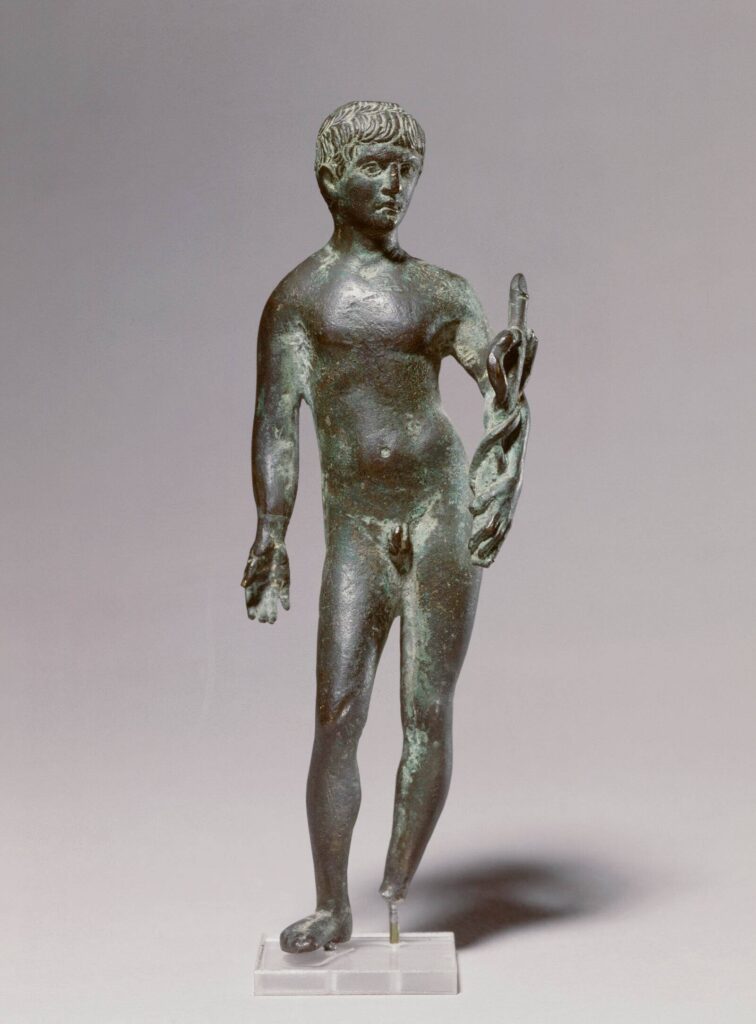
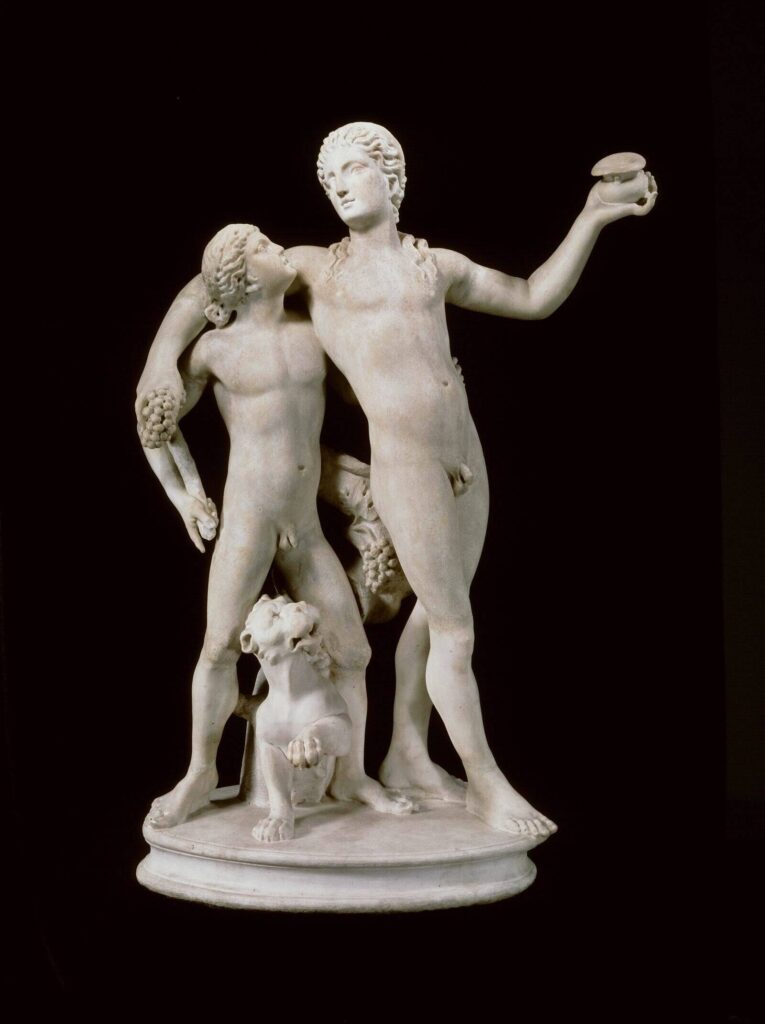
- AI figuren – Submedia; reliëf boot uit het Rheinisches Landesmuseum in Trier – Beatrice de Fraiture; Wijntransport – Kunstsammlungen und Museen Ausburg; Boerderij Dongen – Toine Snoeren; reconstructie villa Vogelzang Valkenburg – Submedia; Saterunalia – website park Matilo; Druivenfles uit Heerlen – RMO; bronzen beeld Mercurius – RMO; Marmeren beeld Bacchus – RMO