Het Romeins Museum is looking for 60 enthusiastic volunteers who want to help map the Roman road network in Limburg further. You do not need to be an archaeologist. Curiosity, an interest in Roman history and a keen eye are enough. And the best part is that you can take part from the comfort of your own home.
Discover the Roman road network from your own home
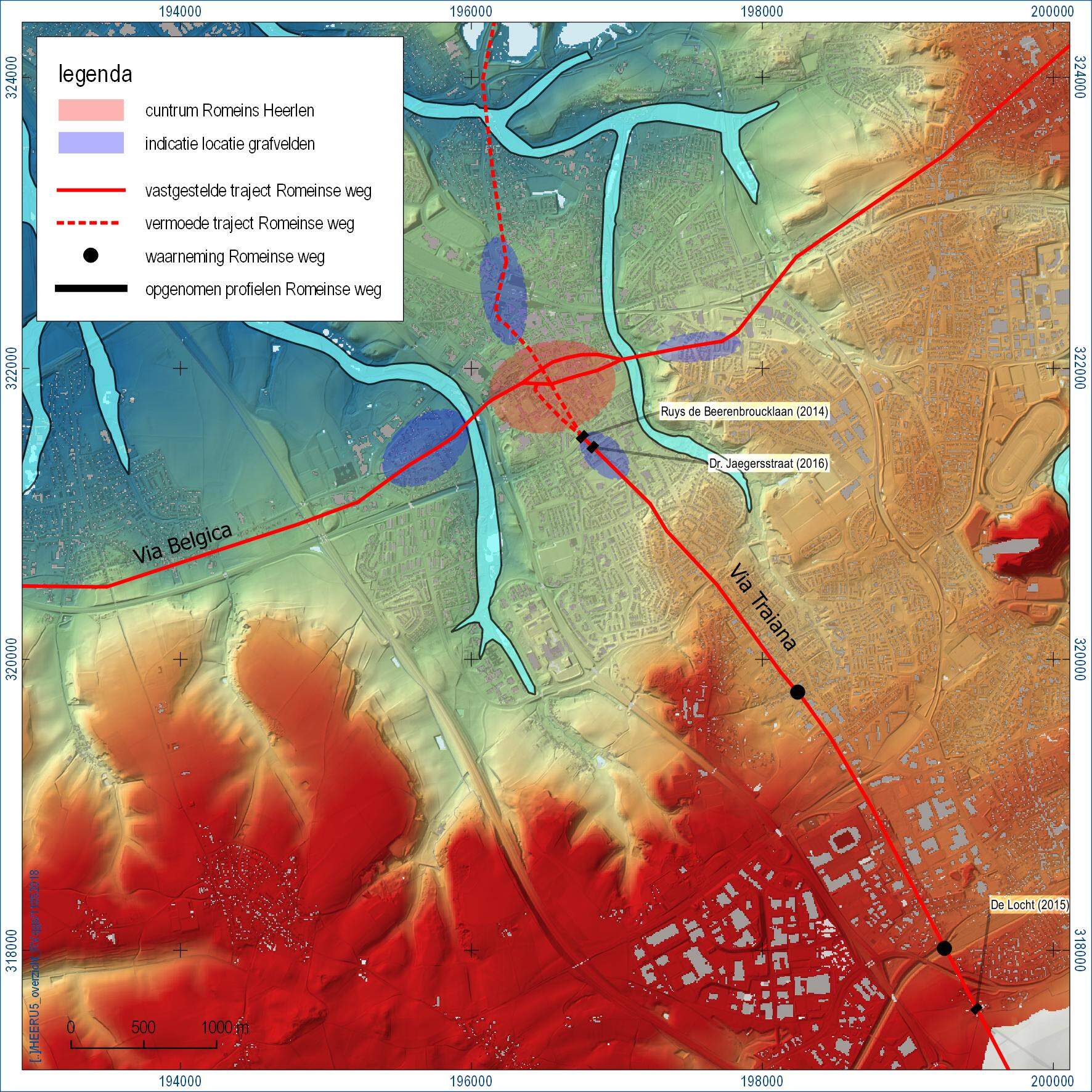
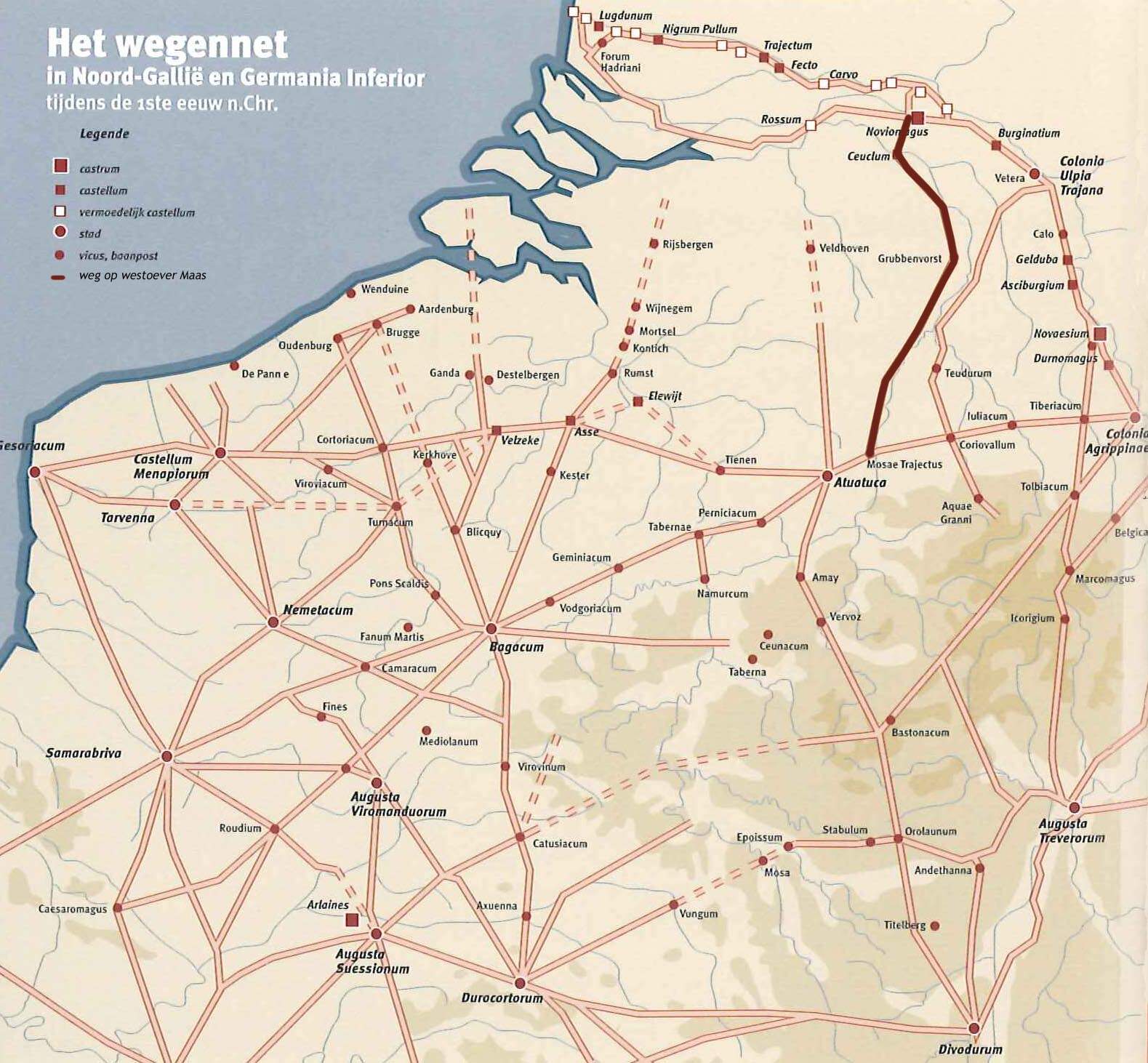
Two thousand years ago, Limburg was part of an extensive network of Roman roads. Soldiers, merchants, craftspeople and travellers used these roads to travel through the region. Important routes such as the Via Belgica and Via Traiana connected places and people, but numerous side roads also crossed the landscape.
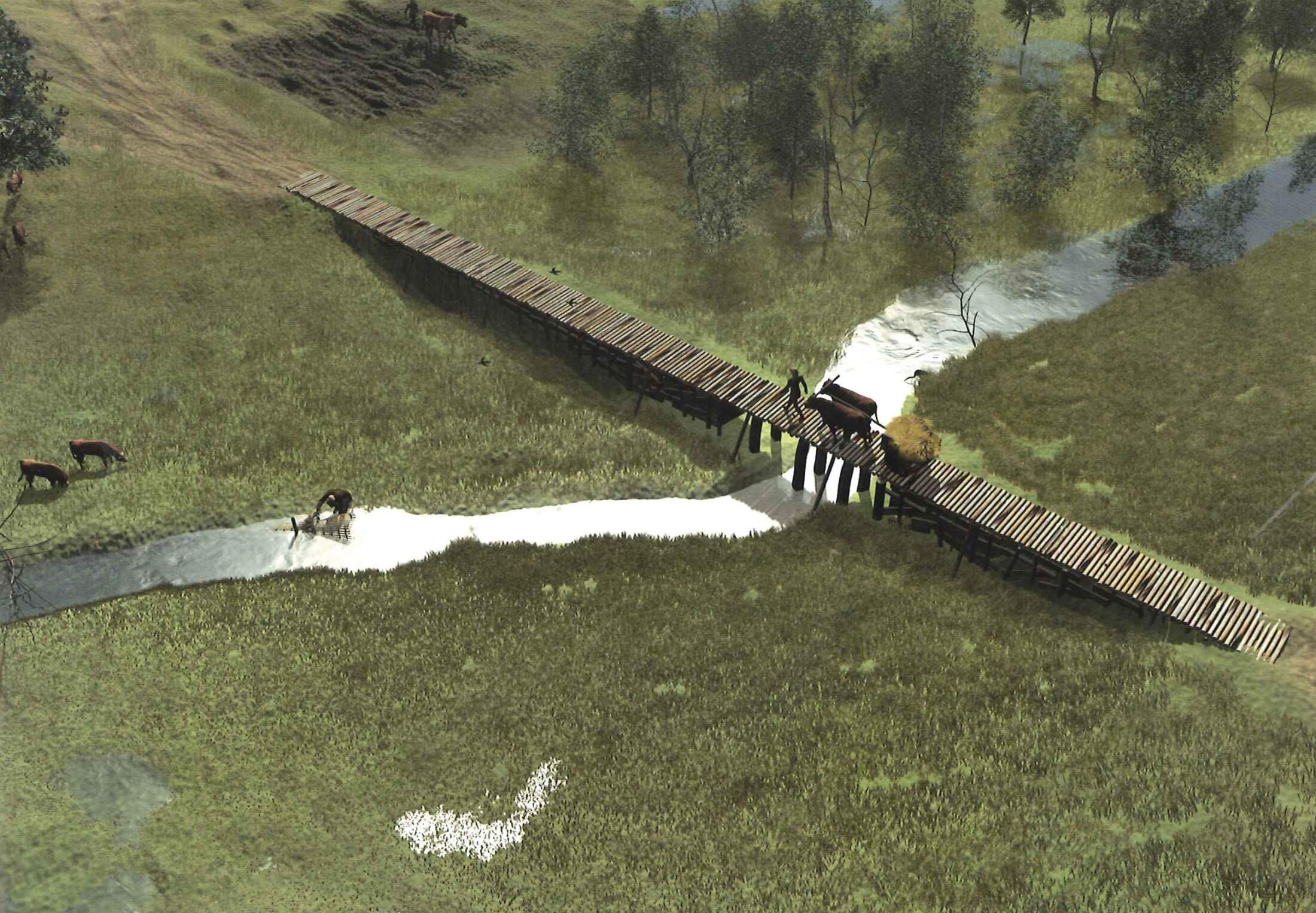
How exactly did these roads run? We know a great deal about some routes. The course of others remains a mystery. Traces may still be found in the landscape that can help us better understand the story of the Romans. You can contribute to this.
How does it work?
Together with heritage consultancy RAAP and other partners, we are searching for both known and unknown Roman roads in Limburg. RAAP is examining hundreds of archaeological reports. Then 60 volunteers will set off on their own search. Not with a spade, but with aerial photographs and digital elevation maps.
You will learn what to look out for and then work independently using an online GIS viewer. Perhaps you will discover a strikingly straight line in the landscape, an old raised feature or another trace that may indicate a Roman road. Every discovery, large or small, helps to reconstruct the Roman landscape piece by piece.
Instructions during a workshop or webinar, then start exploring on your own
You do not need any experience in archaeology or GIS. You will receive clear instructions beforehand during a workshop. Three workshops will take place between 10 and 13 November 2026.
- Heerlen: Tuesday 10 November at 7.30 pm at De Vondst, Raadhuisplein 20
- Sittard: Wednesday 11 November at 7.30 pm at Het Nieuwe Domein, Kapittelstraat 6
- Maastricht: Friday 13 November at 5.30 pm at Centre Céramique, Avenue Ceramique 50
Each workshop has space for a maximum of 20 participants. We ask every participant to bring a laptop or tablet so that you can gain practical experience during the workshop. Unable to attend a workshop? No problem. You can also follow the instructions online from 13 November 2026 via a pre-recorded webinar. You will then have until 31 December 2026 to examine aerial photographs and elevation maps from home and submit your findings. You decide how much time you want to spend on your research.
From your discovery to the story of Roman Limburg
All results from the volunteers will be collected and analysed by RAAP. Ultimately, the findings will be brought together in a report and a catalogue, making the knowledge accessible to everyone. And of course, we will keep you informed. Afterwards, we will invite all participants to a joint follow-up meeting in autumn 2027. This way, you will not only find out what you have discovered yourself, but also what we have discovered together. The results will also be included in presentations and educational programmes at Het Romeins Museum.
Does this sound like something for you?
- Are you curious about Limburg’s Roman past?
- Are you interested in archaeology, history or the landscape?
- Do you enjoy carrying out independent research and discovering new things
Then we are looking for you! Register before 5 November 2026.
Project partners
This research is being carried out in collaboration with:
- Via Belgica
- Constructing the Limes (Utrecht University)
- Regional Archaeologist Parkstad
- City Archaeologist Maastricht
- Heritage Consultancy RAAP
- De Domijnen in Sittard
- Centre Céramique in Maastricht
- De Vondst in Heerlen