Partner – City Tongeren
Tongeren-Borgloon: a journey through time and landscape
Welcome to Tongeren-Borgloon, a place where history meets the charm of Limburg’s rolling hills. Here, you don’t just come for a visit, you experience a story that has been written for over two thousand years!
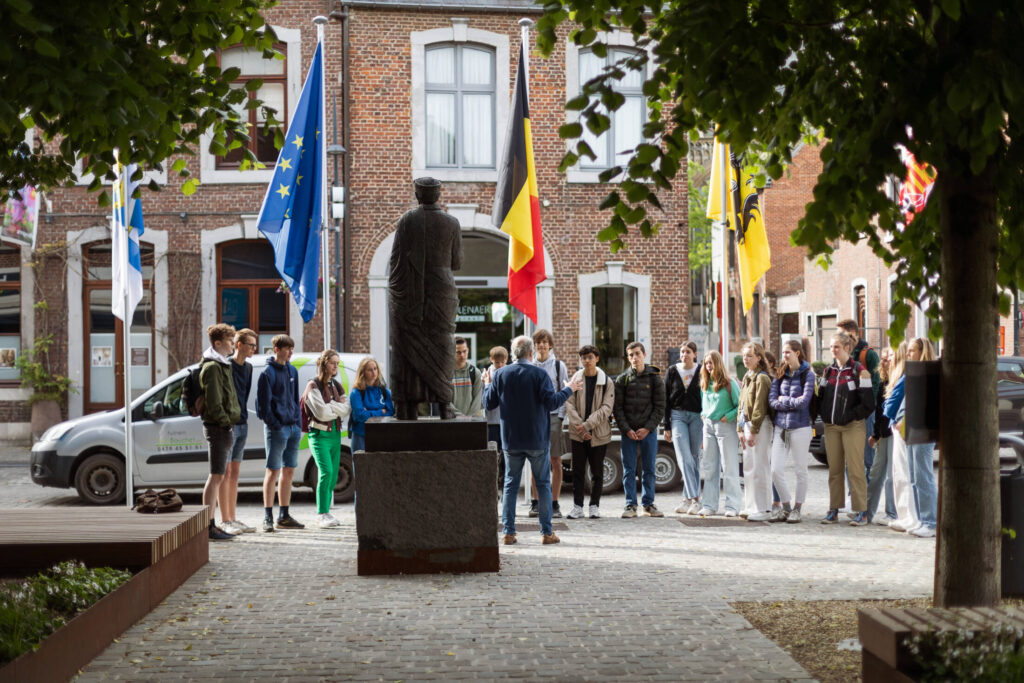
Tongeren, the oldest city in Belgium, was in Roman times the capital of a civitas that encompassed large parts of Belgium and the Netherlands. Today, city walls, the evocation of a Roman temple, remains of an aqueduct, and various finds in the Gallo-Roman Museum bear witness to this impressive past.
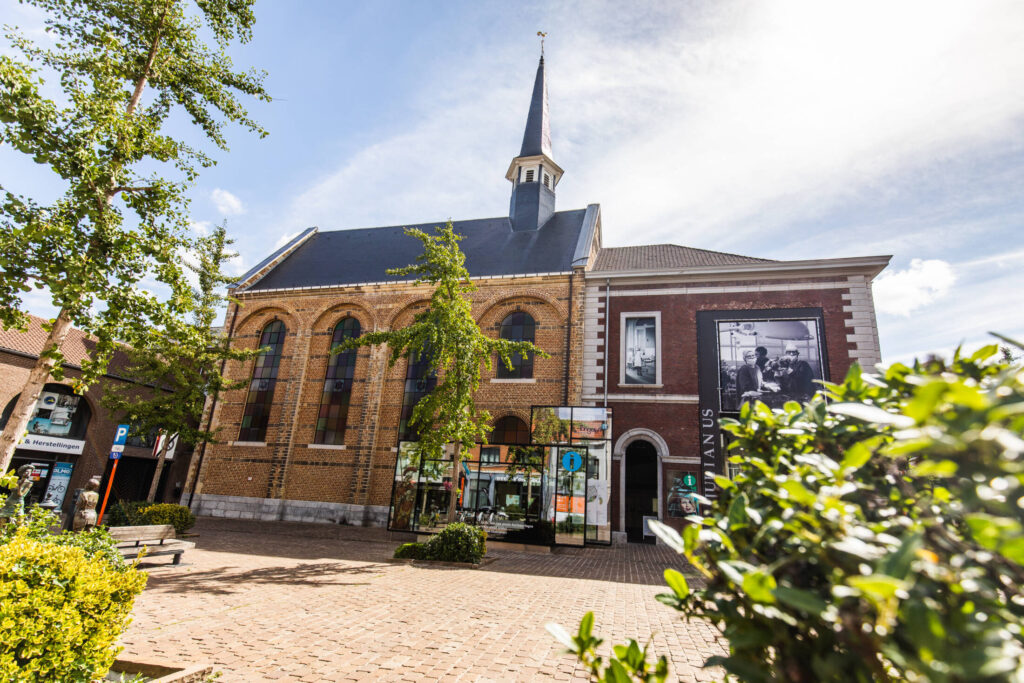
The medieval town center is dominated by the “Onze-Lieve-Vrouwebasiliek” (Basilica of Our Lady) with its belfry tower. That tower, together with the archaeological site beneath the church, the treasury, and the cloister, can be visited in the Teseum—a museum where you can literally feel those two thousand years of history. The “Begijnhof” (Beguinage) of Tongeren, in turn, invites you to stroll through its characterful streets. In addition, every Sunday, the city bursts into life with its bustling antique market.
A short distance away lies Borgloon, once the capital of the County of Loon. Today, this charming town is best known for its orchards and open-air artworks.
Like Tongeren, Borgloon is also a heritage town. Three gems in Borgloon that together make for a fascinating day trip are the “Stroopfabriek” (Syrup Factory), the Odulphus Church, and GRAAF, an experience center about the Counts of Loon.
Whether you come for heritage, the seasonal experience, open-air art, or the taste of Limburg hospitality, Tongeren-Borgloon has it all! Here you literally walk through time—from the Roman world and the Middle Ages to the present day.
Partners in VIA VIA
Tongeren-Borgloon, at the centre of a network of Roman roads and the heart of a Roman villa landscape, is a logical partner in the VIA VIA project. Its archaeological and historical richness is reflected both in the many heritage tourism projects already realized and in the expertise present among various partners. In this context, the VIA VIA project complements existing initiatives and, above all, provides a springboard for discovering our rich heritage.