Will you help us find Roman villas?
Author: Harry Lindelauf
Photography: LGOG
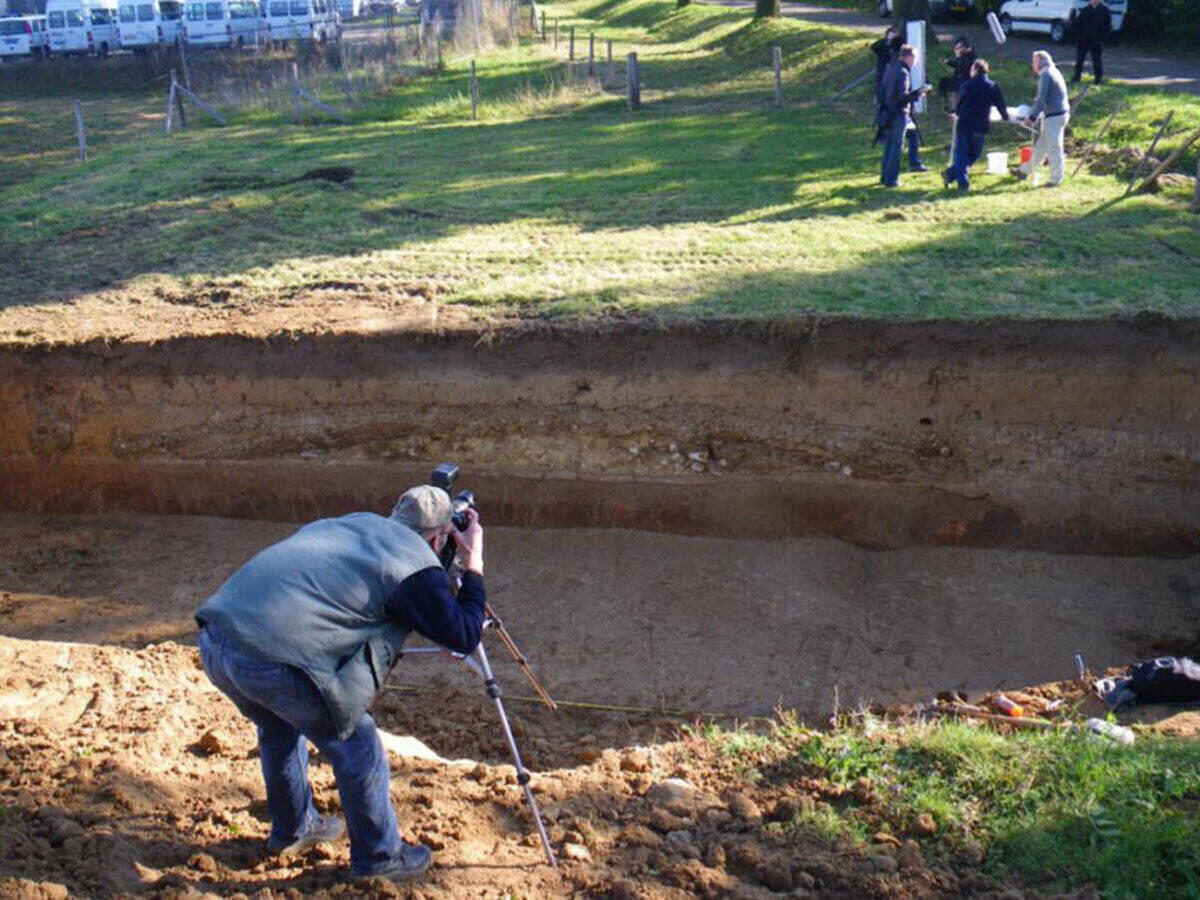
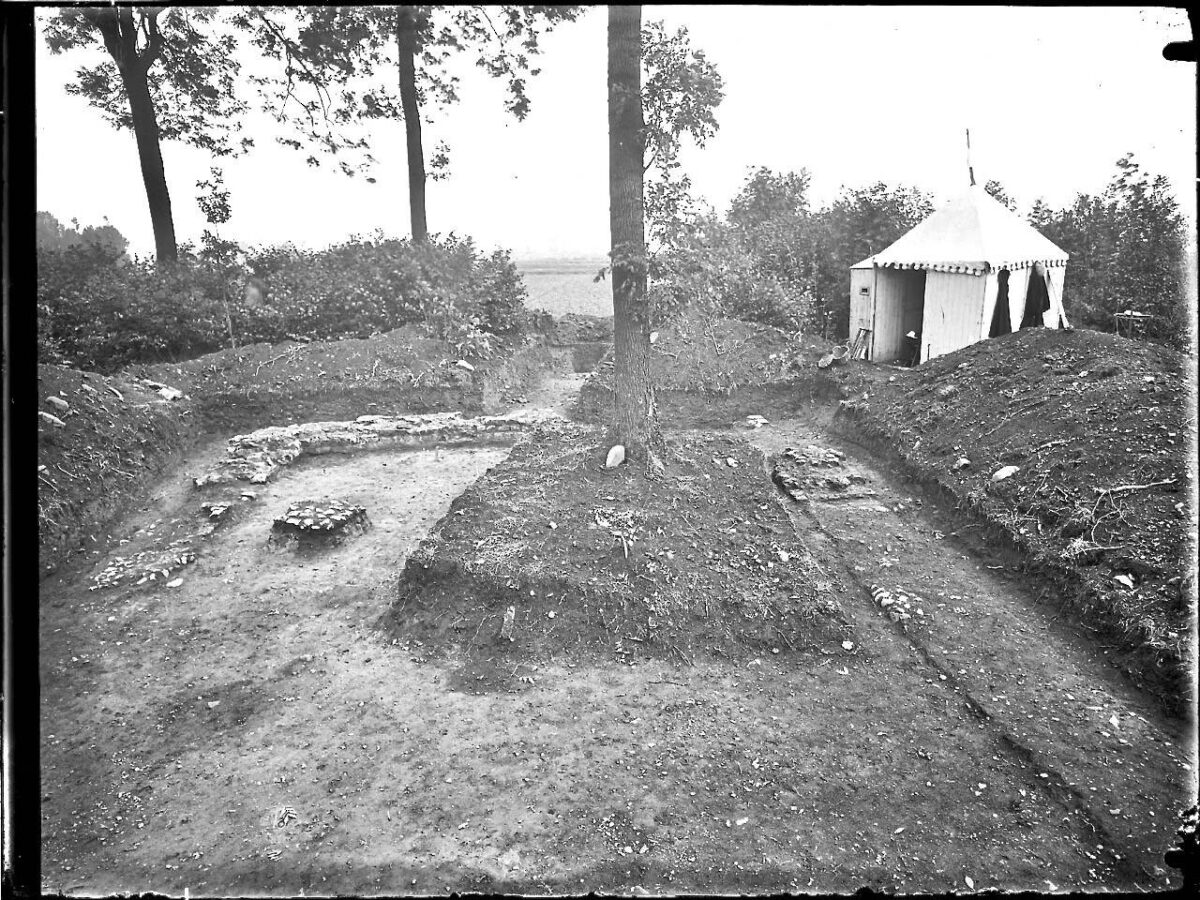
More than 65 farms from the Roman period are already known in South Limburg. But many more of these villae rusticae are believed to exist. Several organisations are now joining forces in the search for them – and you can help.
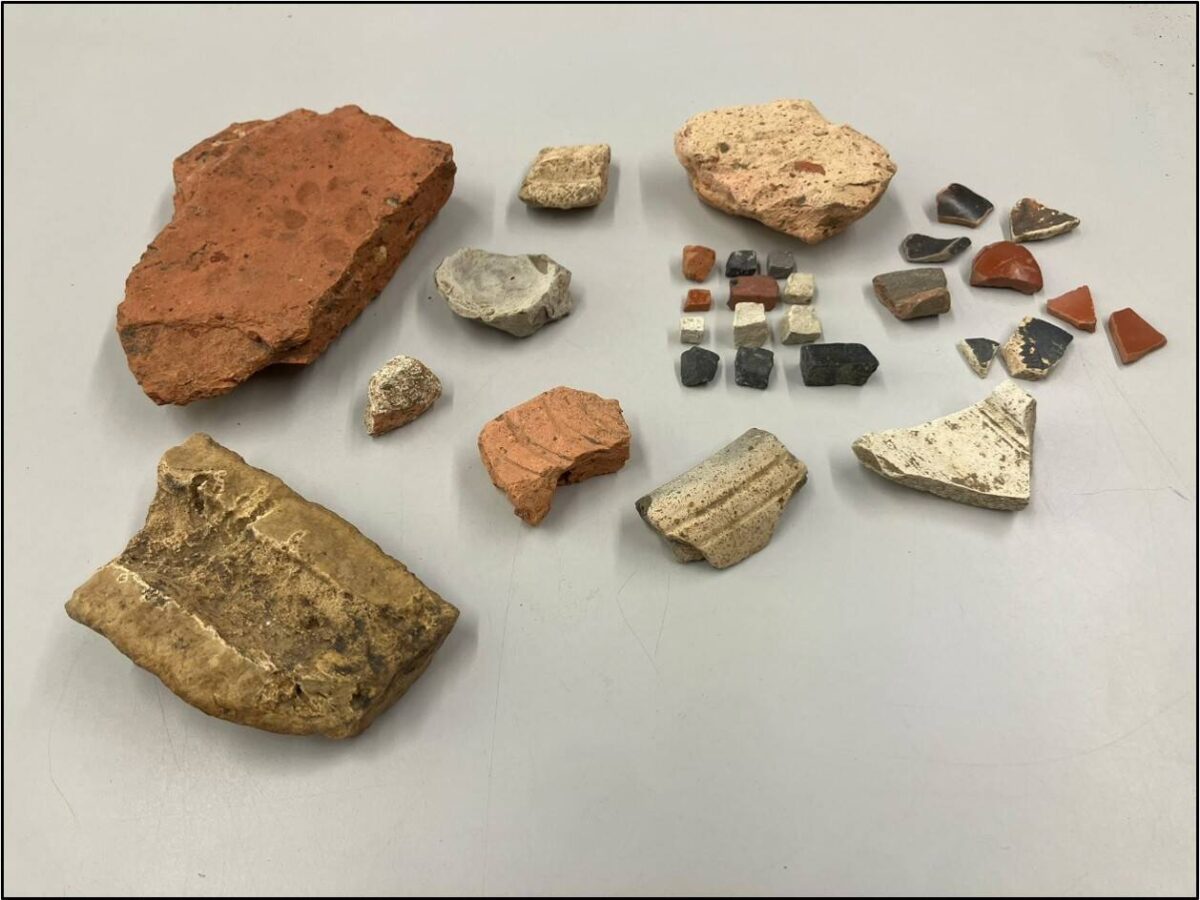
Do you know of a site where there are many fragments of red brick, red pottery or worked natural stone? Experience has shown that these are often indications that the remains of buildings lie underground, possibly even dating from the Roman period. We are asking you to report such locations by sending an email to info@lgog.nl.
Your report will be received by the Koninklijk Limburgs Geschied- en Oudheidkundig Genootschap (LGOG). LGOG’s archaeology section is part of a collaboration with the Werkgroep voor Geofysische Meettechnieken in de Archeologie (WGMA), the Roman Museum Heerlen, the Cultural Heritage Agency of the Netherlands and the National Museum of Antiquities in Leiden.
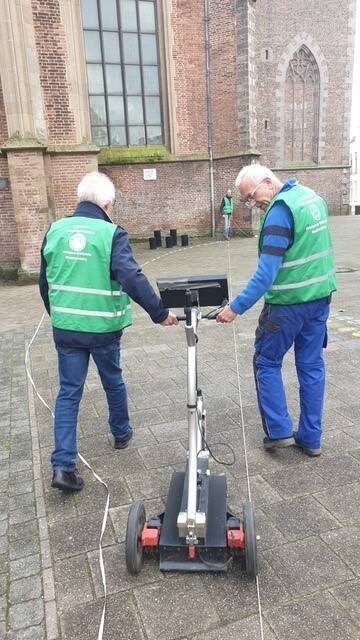
The aim is to identify sites where the remains of a Roman villa may be present. A decision will then be made as to whether the site should be investigated, with the owner’s permission. Ground-penetrating radar will be used for this purpose; no excavation will take place. In 2012, trials using ground-penetrating radar were carried out at Oude Midweg in Voerendaal, Goudsberg in Valkenburg and Eigenweg in Valkenburg-Houthem. These trials showed that, down to a certain depth, the radar is capable of ‘seeing’ the layers of gravel from which Roman roads in our region were constructed.
Members of the WGMA have also used ground-penetrating radar in the area around Cuijk to investigate the course of the Roman road between Nijmegen and Tongeren.