Entrepreneurs: “It’s all about the experience — that is incredibly important.”
Author: Harry Lindelauf
Photography: Anja Neskens
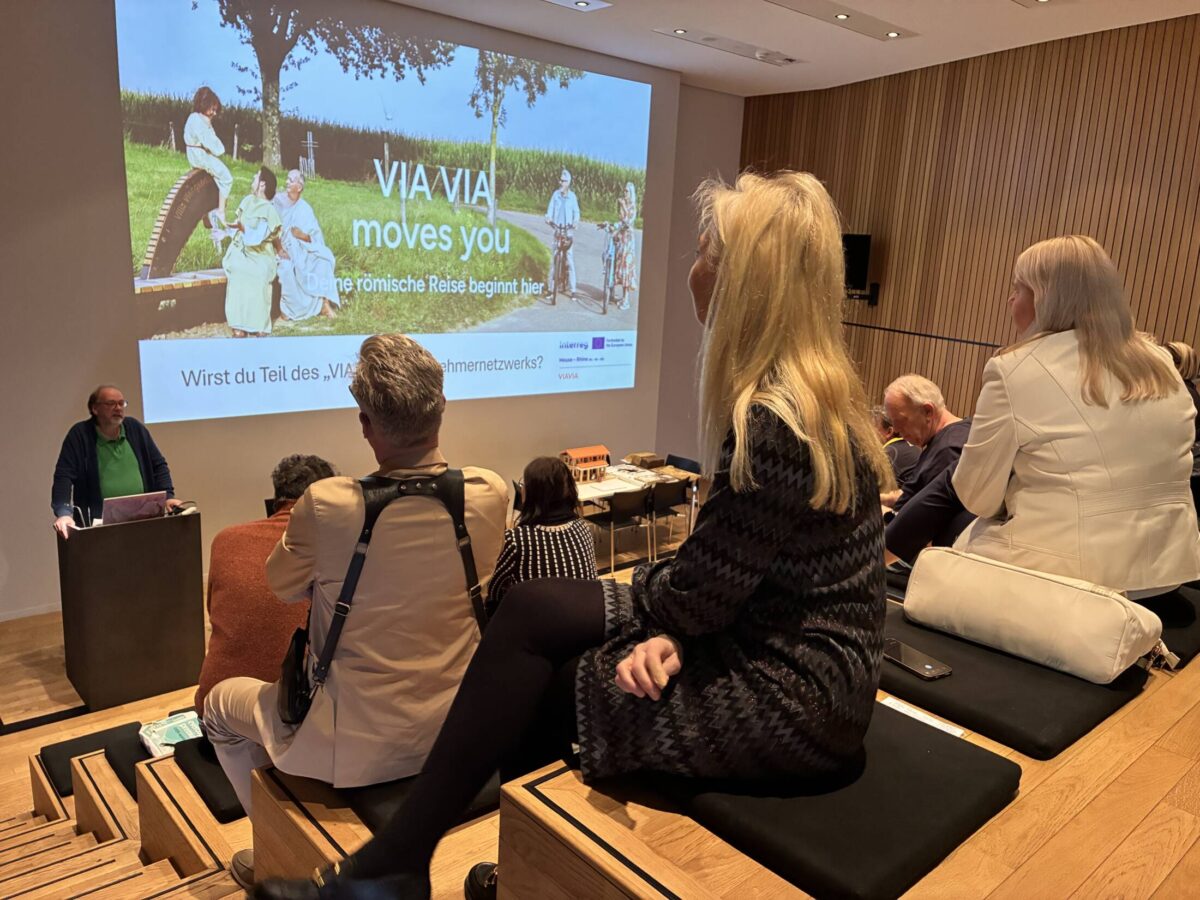
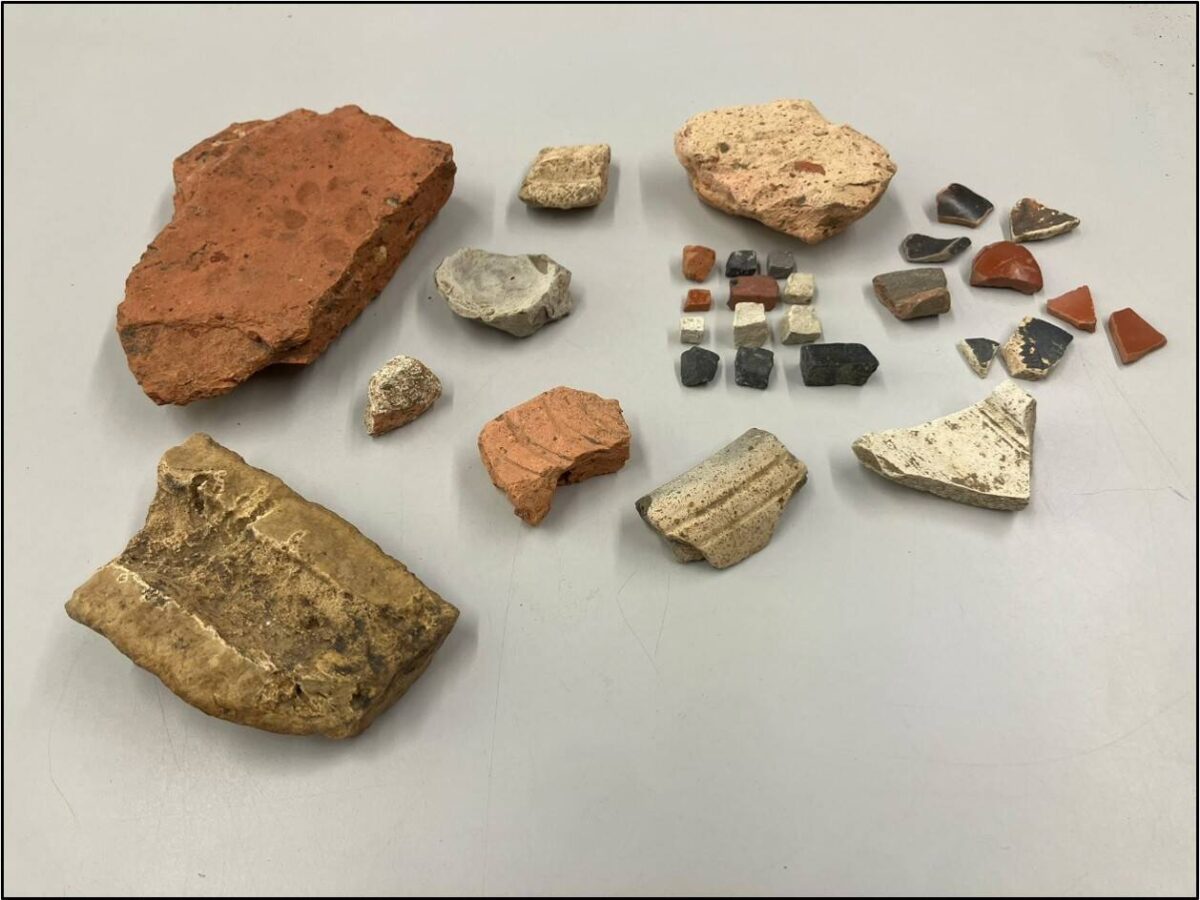
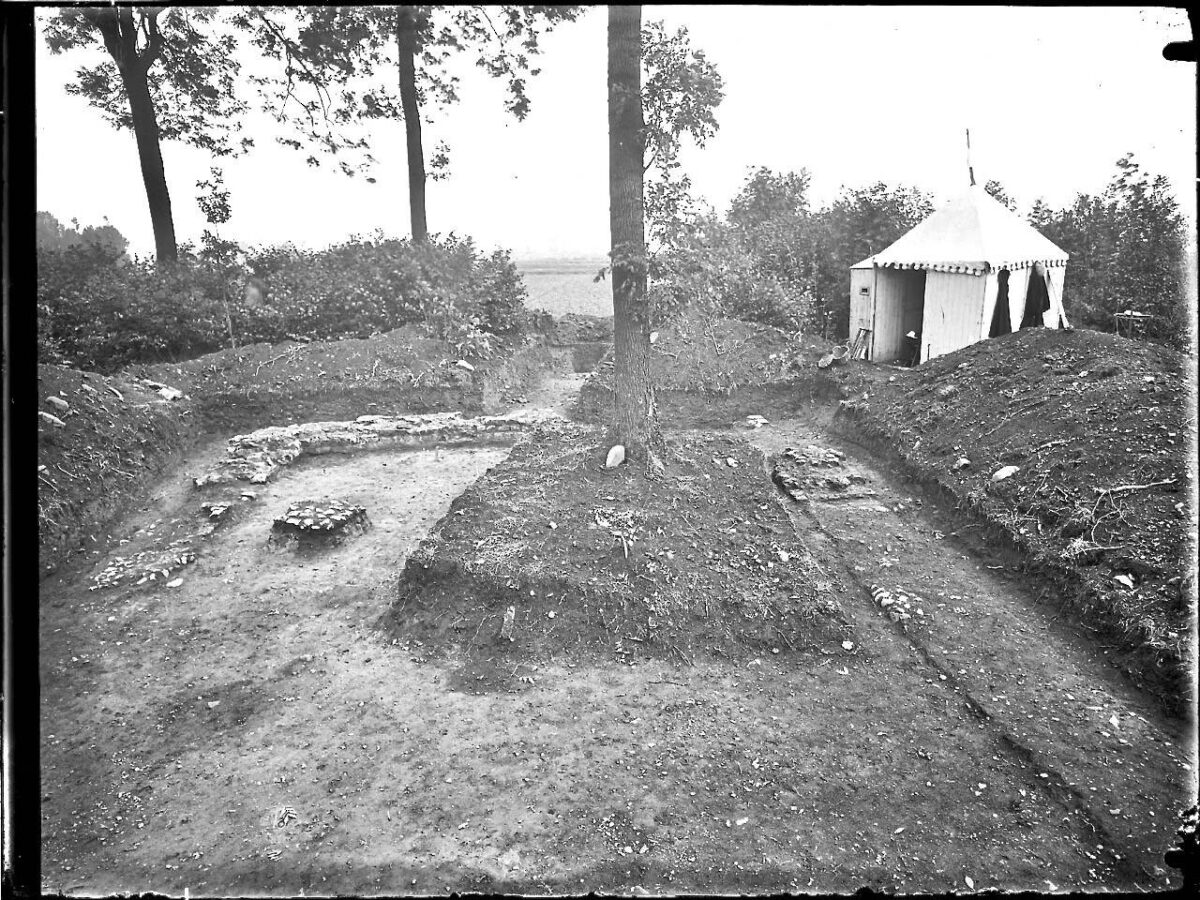
The remains in the cellar of Hotel Derlon in Maastricht, together with the Roman bathhouse in Heerlen, are the crown jewels of Roman South Limburg. And it was precisely there that the first workshop for entrepreneurs was held. This was followed by inspiring gatherings at Centre Charlemagne in Aachen and the Gallo-Romeins Museum in Tongeren.
At the invitation of the VIA VIA project, the central question was how entrepreneurs could connect with the growing interest in the Roman history of the Euregio.
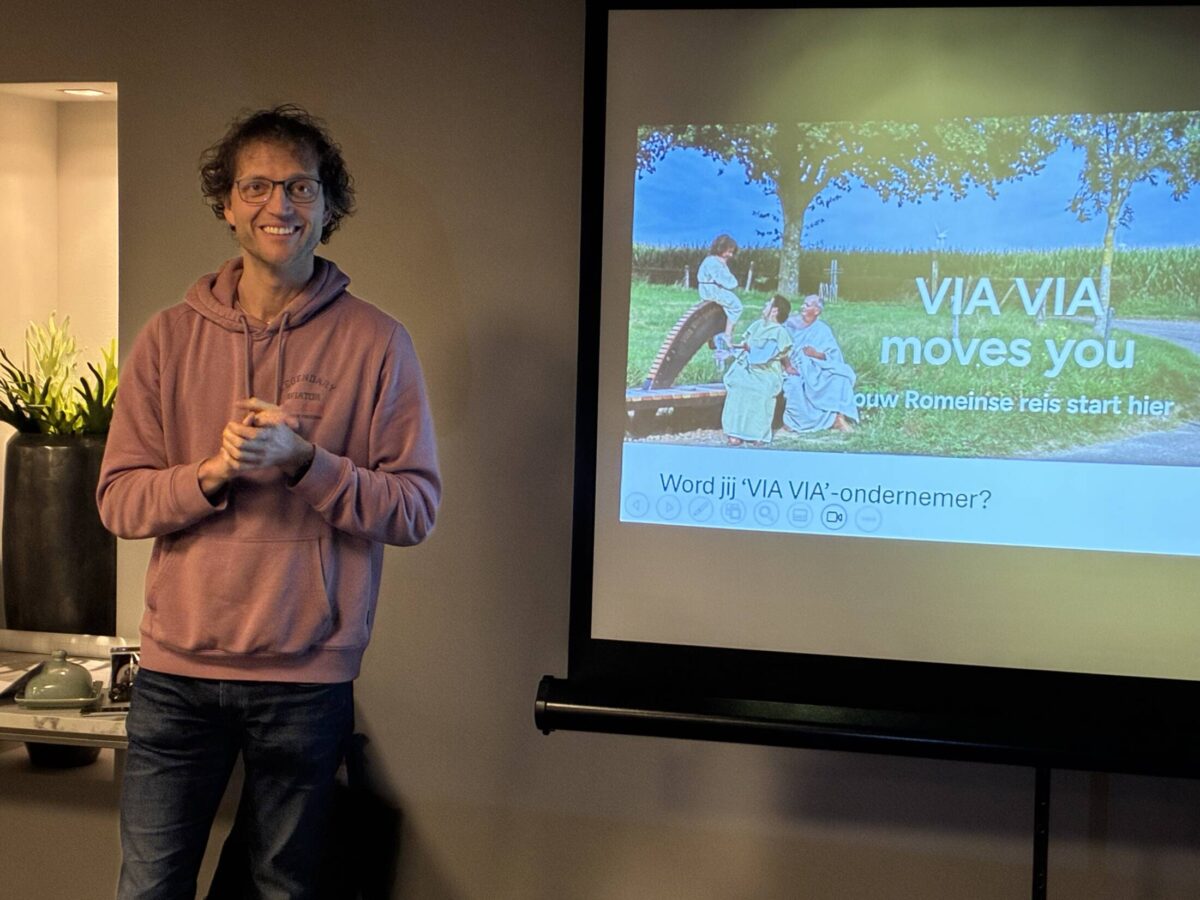
Pierre Rieu, owner of Hotel Derlon, already provided his answer to that question in his welcome speech. He plans to transform the “dark and uninviting cellar filled with old stones”. A new interior design and an innovative way of informing visitors will ensure that they see more than just a pile of ancient stones.
Rieu is involving city archaeologist Gilbert Soeters and curator Sjoerd Aarts from Centre Céramique in the development of his plans.
It begins — as so often — with an idea
Other entrepreneurs also have the opportunity to call upon expert knowledge, emphasised project leader Anja Neskens of Via Belgica and VIA VIA. Anyone with an idea can, through her, enlist the support of archaeologists in order to work with the knowledge and stories of the Roman heritage.
But it all begins — as so often — with an idea.
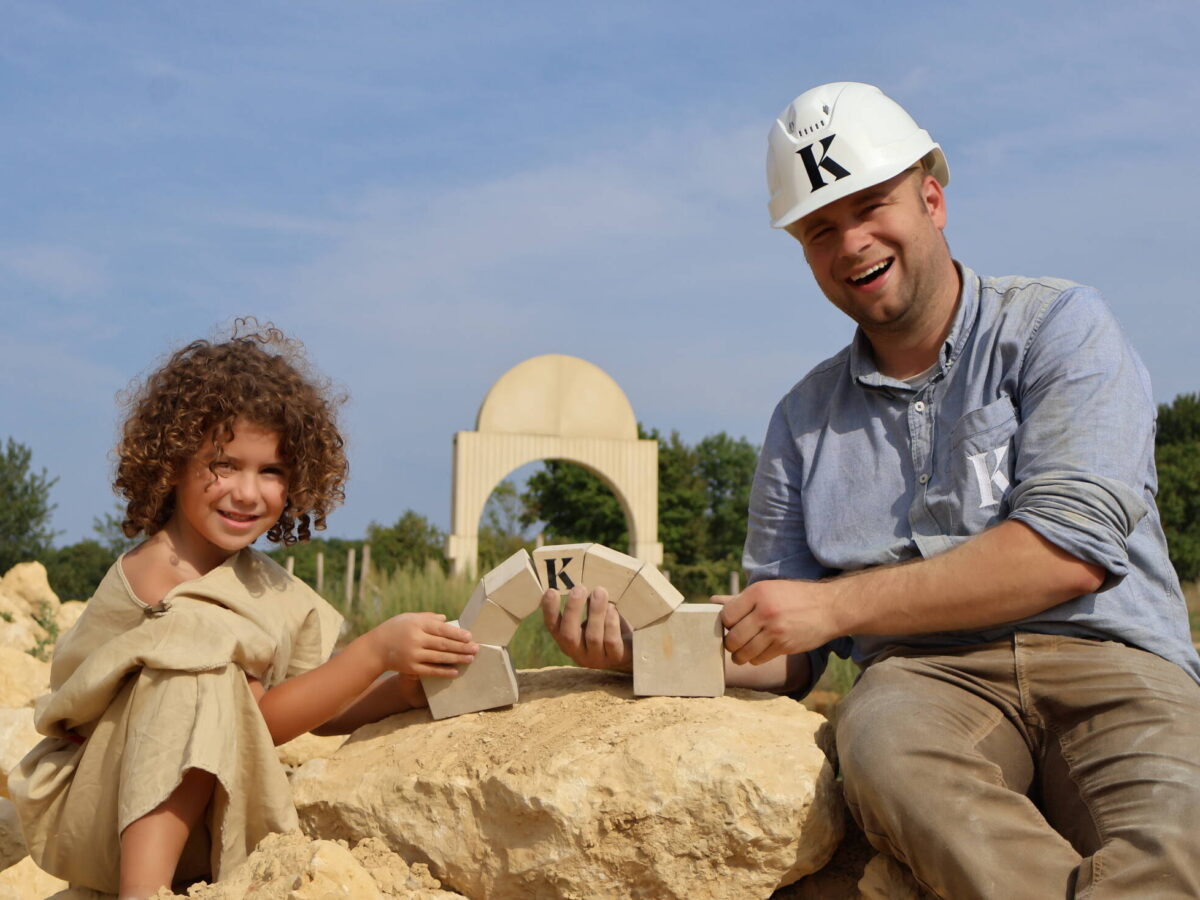
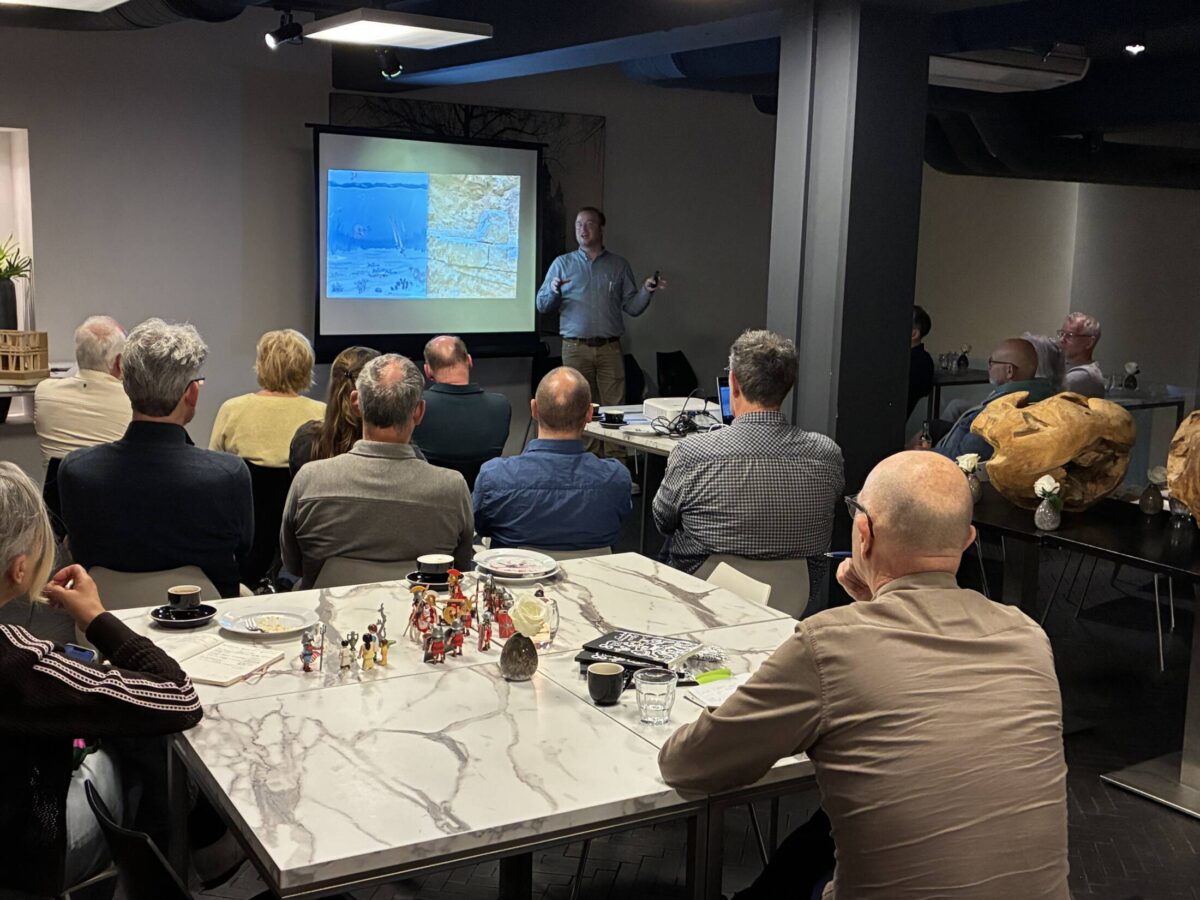
As a source of inspiration, three entrepreneurs explained how they are already using Roman heritage in a business context today. Bas Vervuurt from the Kunrader Steengroeve in Voerendaal developed an arch-building game made from Kunrader stone, which he uses as educational material at trade fairs. Museums and heritage organisations are now using it as well.
Using the pre-shaped stones, visitors can build an arch themselves. A doubly Roman concept: the Romans were the inventors of the arch as a construction form, and they already used Kunrader stone in buildings such as the Roman bathhouse in Heerlen.
“People absolutely love having a story behind a product”
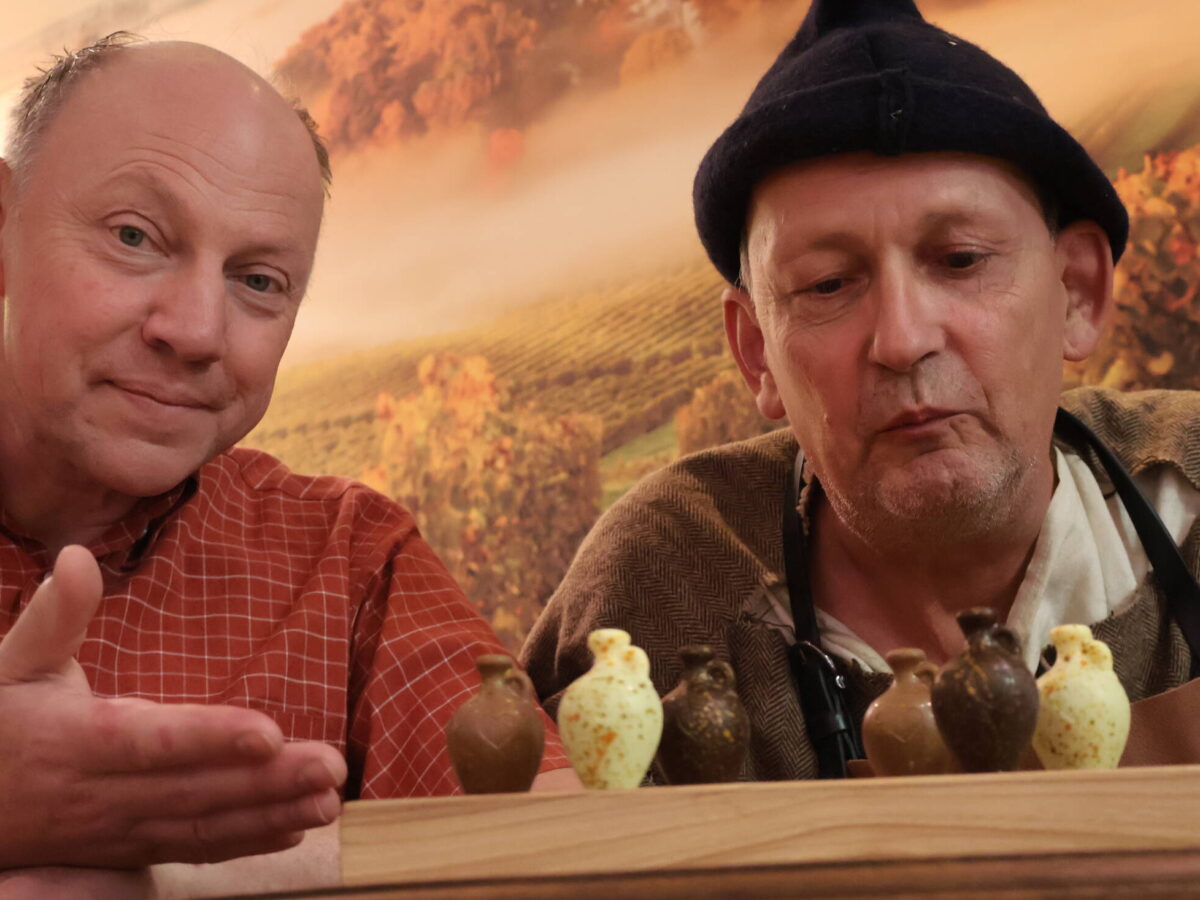
Ronald Stoot from the Delicious Store in Heerlen offers several “Roman” products in his delicatessen shop. His chocolate jug is inspired by the now-famous earthenware jug made by the Roman potter Lucius, which was discovered in Heerlen.
Ronald Stoot explains: “From the very beginning, it has been selling really well. You notice that people absolutely love having a story connected to a product.”
Ecological building the Roman way
The third entrepreneur, Andreas Dilthey, certainly has a story to tell. Through his project 4Linden in Vetschau, the architect promotes environmentally responsible building methods.
He personally builds using construction blocks made of clay, straw and, alternatively, goat’s whey or the manure from his donkeys and goats. Earthen construction techniques already known to the Romans, combined with traditional timber-frame structures that were built throughout this region for centuries.
Dilthey hopes to construct a Roman house complete with a stable and workshop together with apprentice craftsmen from the Dutch-German border region. Bringing back ancient knowledge? In other words: what can we still learn from the Romans today?
An additional Roman dimension: the route of the Roman road between Aachen and Heerlen may actually run across the 4Linden estate — possibly even directly alongside the building site Andreas Dilthey has in mind.
Creativity on demand
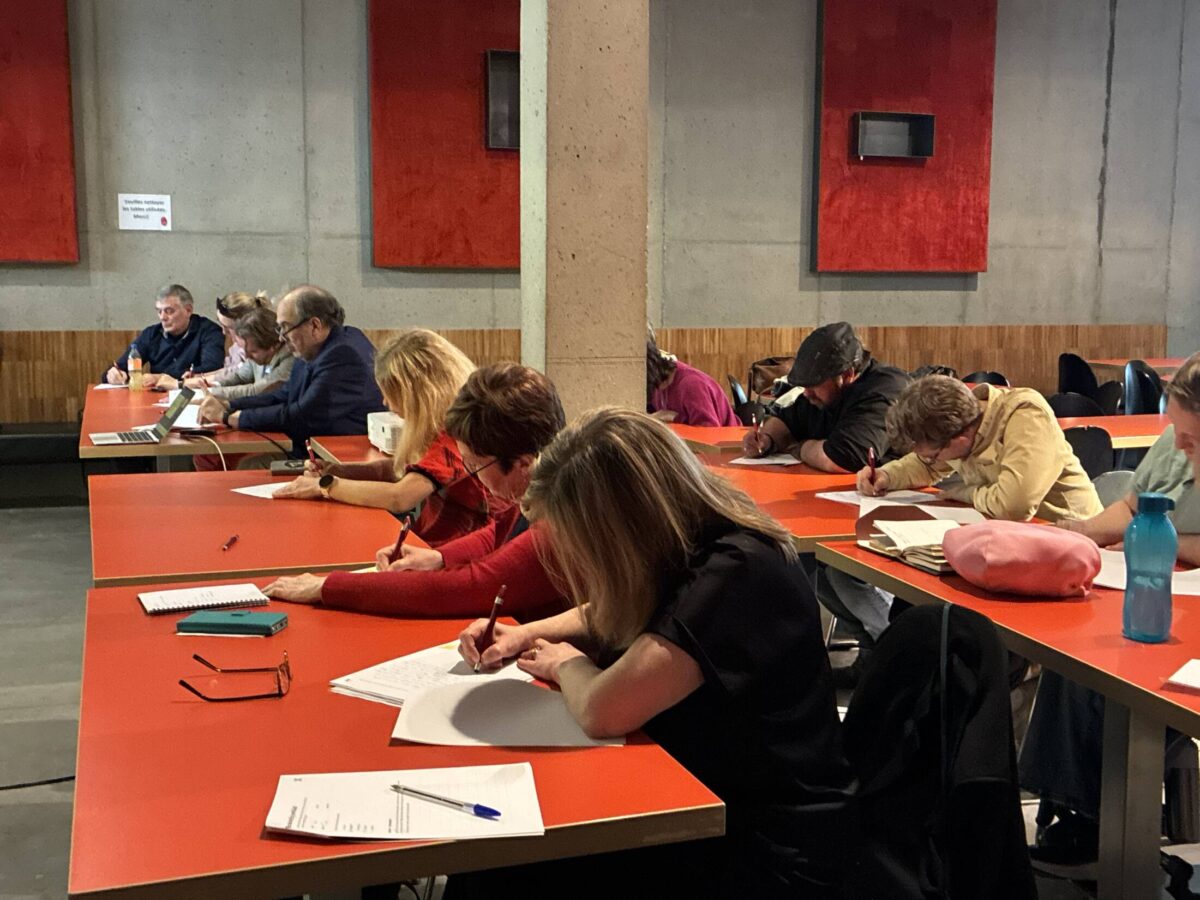
After the practical examples, Rivka Valkenberg and Pepijn Caumon from The Next Lab in Heerlen took the entrepreneurs on a journey into the land of possibilities.
“The aim is to get into a creative flow so that everyone leaves here today with a product idea,” was their invitation.
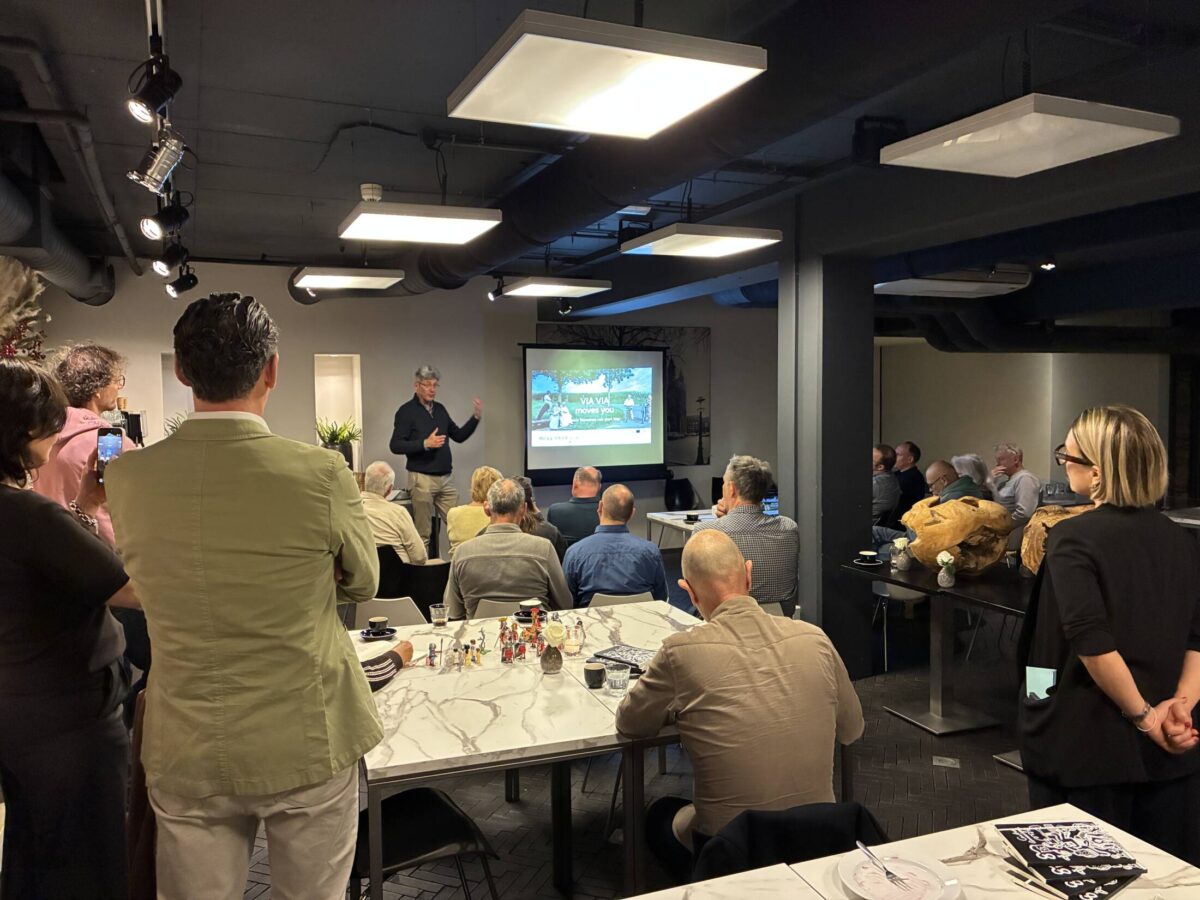
For an hour, the rooms in Maastricht, Aachen and Tongeren buzzed with conversations between entrepreneurs. Away from limitations and risks, and towards innovation with a touch of Roman boldness.
The harvest at the end of the sessions was remarkably diverse: a ceramic Lucius jug filled with eau de vie from Voerendaal; a wine safari through the Land van Kalk with a storyteller-guide linking the Roman wine past to the rise of viticulture today.
Ronald Stoot even came up with a “product” for the municipality of Heerlen: “From now on, call the Promenade the Via Roma.”
For his own shop, he is considering spice blends with Roman-inspired packaging: “It’s all about the experience — that is incredibly important.”
The inspiration workshops in Maastricht (9 March), Aachen (16 March) and Tongeren (23 March) attracted dozens of entrepreneurs. Did you miss the workshops? And would you still like to participate? No problem — we are open to your ideas: info@via-via.eu.
VIA VIA is supported by the European Union and the Interreg Meuse-Rhine (NL-BE-DE) programme, with co-financing from the Ministry of Economic Affairs of North Rhine-Westphalia, the Province of Limburg, and the Regio Deal Parkstad Limburg.